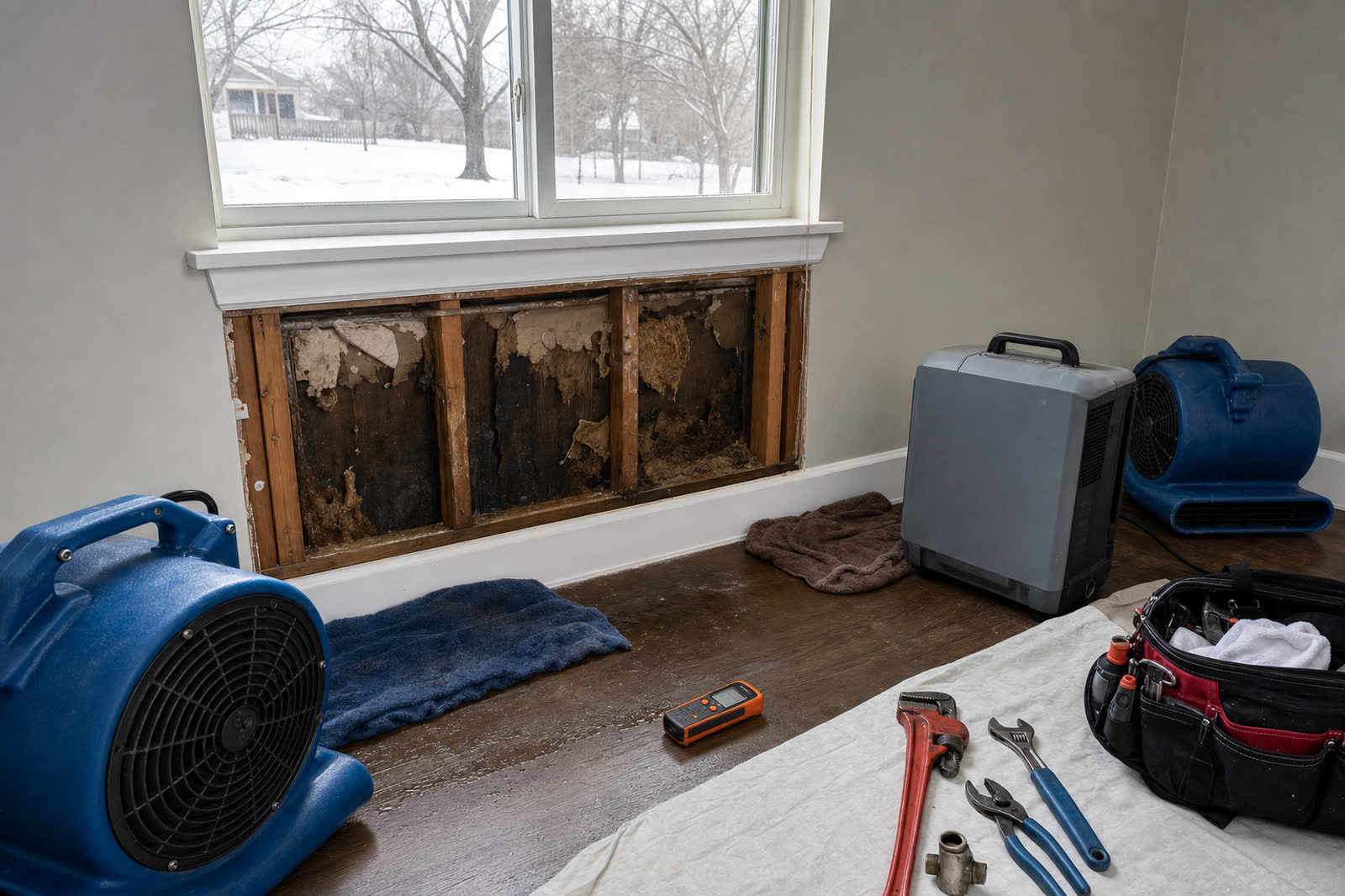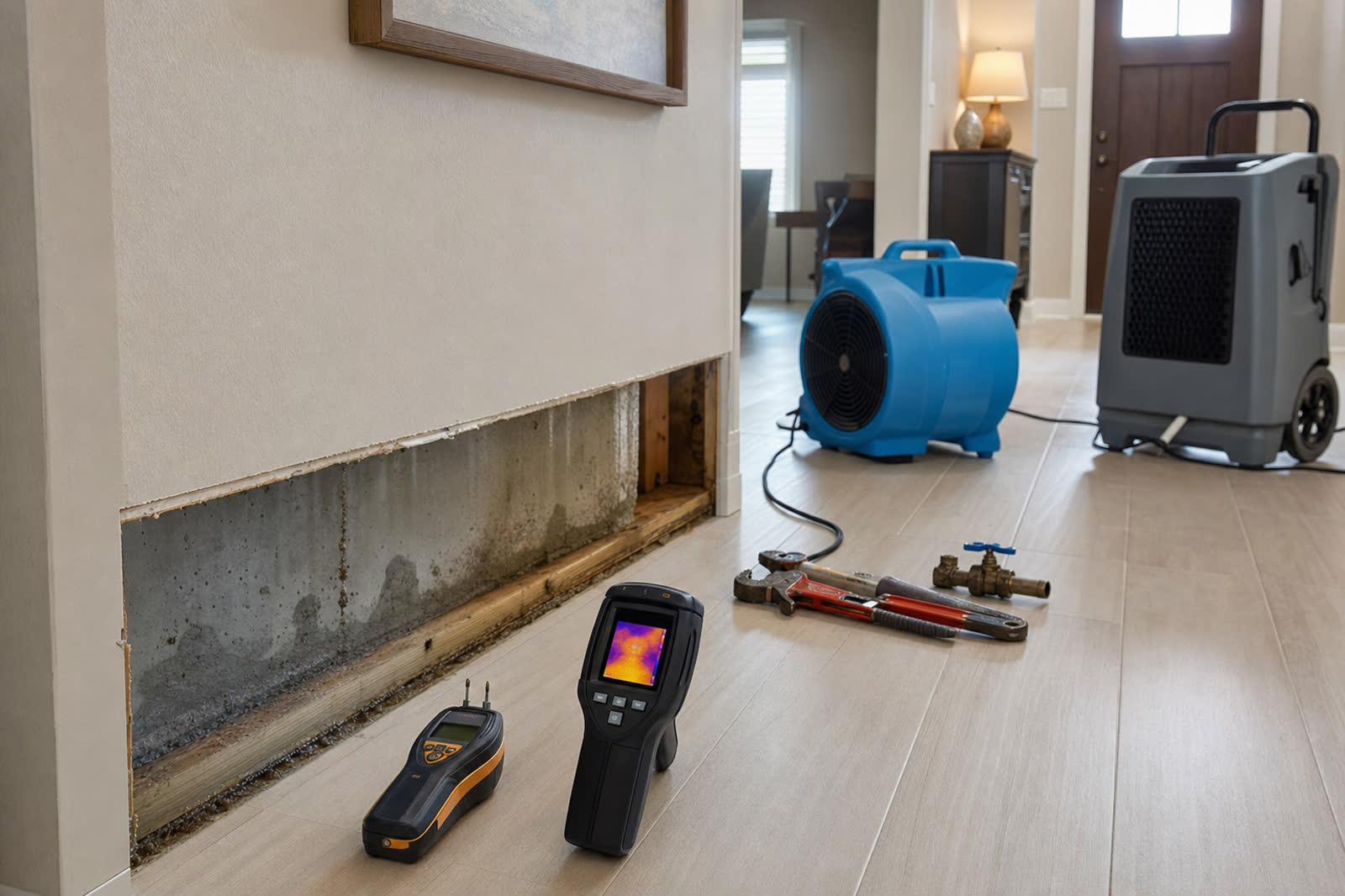
Why Do Edmond Homes Need Sump Pumps?
Edmond sits on expansive clay soils that shift with moisture changes. Heavy spring rains saturate the ground quickly, pushing water against foundation walls and into crawl spaces. The water table in parts of Edmond rises during wet seasons, especially in older neighborhoods near Hafer Park and around Coffee Creek.
Sump pumps prevent groundwater from pooling in basements and crawl spaces. They collect water in a basin, then pump it away from your foundation before it can cause damage. We've seen homes in south Edmond flood repeatedly during April and May storms because they lacked proper sump systems.
The city's development patterns also matter. Newer subdivisions off Kelly and 15th Street often have better drainage infrastructure. Older homes near downtown Edmond may have compromised foundation drains or no drainage system at all. A sump pump becomes your last line of defense against water damage during heavy weather.
Edmond receives about 36 inches of rain annually, with most falling between April and June. Single storms can drop three to five inches in hours. Your foundation drainage system can't always keep pace, which is where a properly installed sump pump becomes critical.
Choosing the Right Sump Pump Size and Type
Selecting the correct pump depends on your basement size, water table depth, and typical rainfall patterns. Most Edmond homes need a 1/3 or 1/2 horsepower pump. Larger basements or homes with high water tables may require 3/4 horsepower units.
Submersible pumps sit inside the basin and run quieter than pedestal models. They handle debris better and last longer in Oklahoma's clay-laden groundwater. Pedestal pumps mount above the basin with the motor exposed. They're easier to service but noisier and less durable for constant use.
Calculate your pump capacity needs by measuring your basement square footage and typical water inflow rate. A 1/2 HP pump typically moves 3,000 gallons per hour at a 10-foot vertical lift. That handles most Edmond residential situations. If your discharge needs to travel upward more than 10 feet or horizontally more than 50 feet, step up to 3/4 HP.
Key Pump Selection Factors
- Basement or crawl space square footage
- Vertical lift distance to grade level
- Horizontal discharge run length
- Typical water inflow volume during storms
- Power source availability and backup needs
- Switch type (tethered float works best)
We recommend cast iron or stainless housing over plastic for longevity. Oklahoma groundwater contains minerals that corrode cheaper materials. Spend the extra money upfront for a pump that will run reliably for 10 years instead of replacing a budget unit every three.
How Should You Install the Sump Basin?
The basin must sit at the lowest point of your basement or crawl space where water naturally collects. Standard residential basins measure 18 to 24 inches deep and 18 inches in diameter. The hole should extend at least two inches deeper than the basin to allow for gravel bedding.
Dig the hole through your concrete slab if you have a finished basement. This means breaking out a section of floor, which is messy but necessary. The basin edge should sit flush with or slightly below the floor surface. If it's too high, water won't drain into it properly.
Place three to four inches of gravel at the bottom of the hole before setting the basin. This allows water to flow in from below and prevents the basin from settling unevenly. Some Edmond homes have perimeter drain tiles that feed into the basin. Make sure these connections stay open and debris-free.
Drill weep holes near the bottom of the basin if your model doesn't include them. These holes allow water to enter from all sides and prevent airlocks that can stop the float switch from working. Use 1/4 inch holes spaced every four inches around the circumference.
The basin lid matters more than most homeowners realize. A proper sealed lid prevents moisture from escaping into your basement air, reduces pump noise, and keeps debris and children out of the basin. Make sure the lid accommodates your discharge pipe and power cord without gaps.
Discharge Line Routing and Placement
Your discharge line carries water away from your foundation. Route it at least 10 feet from your house, preferably 20 feet. Dumping water too close just sends it back into your foundation drainage system, creating a loop that overworks your pump.
Use schedule 40 PVC pipe rated for below-grade burial. Most Edmond installations use 1.5 inch diameter pipe, which handles typical residential flow rates. Run the pipe with a slight downward slope, at least 1/8 inch per foot, to prevent standing water that can freeze.
Install a check valve on the discharge line inside your basement. This valve prevents water from flowing backward into the basin after the pump shuts off. Without a check valve, the pump short-cycles constantly, wearing out the motor and wasting electricity. The check valve should mount vertically within two feet of the pump outlet.
Discharge Line Setup Tips
- Bury lines below frost depth (12 inches minimum)
- Slope away from house continuously
- Terminate in a drainage swale or dry well
- Never connect to sanitary sewer lines
- Add a cleanout access point near foundation
- Use flexible coupling at foundation penetration
Edmond's frost line sits around 12 to 18 inches deep. Bury your discharge pipe below this depth or it will freeze in winter, backing up water into your basement. We've responded to multiple January floods caused by frozen discharge lines that homeowners didn't bury deep enough.
Never discharge into your sanitary sewer or storm sewer without checking Edmond city codes first. Most jurisdictions prohibit sump pump connections to sanitary systems because they overload treatment plants during storms. Discharge to daylight at grade level or into a proper drainage area on your property.
What About Backup Power and Secondary Pumps?
Severe storms knock out power right when you need your sump pump most. Oklahoma averages multiple power outages per year, especially during spring tornado season and winter ice storms. A sump pump without power is just an expensive paperweight sitting in a flooding basement.
Battery backup systems provide the most reliable emergency protection. These units include a marine deep-cycle battery, automatic charger, and secondary DC pump that activates when AC power fails. Quality systems run for six to eight hours on a full charge, enough to handle most Edmond storm events.
We installed a battery backup system for a homeowner near Mitch Park last spring. Three weeks later, a tornado warning knocked out power for 11 hours during a heavy rainstorm. The backup pump kept his basement dry while his neighbors without backup systems took on four to six inches of water.
Water-powered backup pumps connect to your municipal water supply and use water pressure to create a venturi effect that removes basin water. They need no electricity or batteries. The downside is they use about one gallon of city water for every two gallons they remove, increasing your water bill. They also won't work if you lose water pressure along with electricity.
Backup System Options
- Battery backup with dedicated DC pump
- Water-powered backup using municipal pressure
- Generator connection with transfer switch
- Dual pump setup with separate circuits
- Smart monitoring with alert systems
Some homeowners install two AC pumps in one basin as a backup strategy. The secondary pump sits slightly higher and activates if the primary fails or can't keep up with heavy inflow. This works fine until power fails, then both pumps die together.
Regular Maintenance and Testing Schedule
Test your sump pump monthly by pouring water into the basin until the float activates the pump. The pump should start immediately, discharge the water, and shut off cleanly. If it hesitates, makes grinding noises, or runs continuously, you have a problem that needs attention before the next storm.
Clean the basin twice yearly, in March before spring rains and again in October. Remove accumulated sediment, debris, and the clay silt that Oklahoma groundwater deposits. Rinse the float switch and make sure it moves freely without binding. A stuck float is the most common sump pump failure we see.
Check the discharge line outlet every few months. Make sure it's clear of leaves, mulch, ice, or anything else that could block flow. We've seen discharge lines blocked by FIELDFABRIC_TOKEN, river rock, and even wasp nests. A blocked discharge causes the pump to run constantly without moving water.
Inspect the check valve annually. These valves wear out over time and start to leak backward. If you hear the pump run briefly every few minutes even during dry weather, the check valve probably needs replacement. This costs $20 in parts but saves your pump motor from premature failure.
Test your backup system quarterly. Disconnect primary power and verify the backup activates properly. Check battery charge levels and replace batteries every three to five years. Battery backup systems fail when homeowners forget about them until an emergency, then discover dead batteries or corroded connections.
Maintenance Checklist
- Monthly pump activation test with water
- Quarterly backup system verification
- Semi-annual basin cleaning and inspection
- Annual check valve and discharge line review
- Battery replacement every three to five years
- Float switch cleaning and movement check
Common Setup Mistakes Edmond Homeowners Make
The biggest mistake is undersizing the pump or basin for your home's needs. A small 1/4 HP pump might handle normal seepage but fails during the three-inch April rainstorms that Edmond gets regularly. Size your system for worst-case scenarios, not average conditions.
Installing the basin at the wrong location causes constant problems. We've seen basins placed in corners where water doesn't naturally flow or positioned too high above the floor. Water must be able to reach the basin by gravity. If you have to channel water to the basin with trenches or dams, you picked the wrong spot.
Homeowners often skip the check valve to save $20. Then they wonder why the pump runs every three minutes and burns out after two years. The check valve is not optional. It's necessary for proper operation and pump longevity.
Discharge lines that terminate too close to the foundation waste your effort and money. We recently dried out a home near Oklahoma City where the sump pump discharged four feet from the foundation. The water immediately soaked back into the ground and re-entered the basement through the same foundation cracks. The pump ran continuously fighting itself.
Neglecting maintenance until something breaks is the most expensive mistake. A $15 float switch replacement during routine maintenance beats a $5,000 water damage cleanup. We respond to flooded basements every spring where working sump pumps sat in basins so full of sediment the float couldn't activate.
Some Edmond homeowners try to save money with DIY installations that violate basic plumbing principles. We've seen pumps with no check valve, discharge lines sloped backward, undersized piping, and basins with no gravel bed. Poor installation guarantees failure during the storm when you need the system most. If you're not comfortable with the installation process, hire a qualified plumber who knows local conditions.
Need help now? See our full Water Damage Restoration service page or browse all restoration services. Don't see your city above? The full Oklahoma service area covers 27 cities.
Local context for this article: see our Edmond, OK restoration page and the Water Damage Restoration in Edmond service page.
This guide also pairs with emergency water mitigation and mold remediation when drying is missed.
Can I install a sump pump myself or should I hire a professional?
Handy homeowners can install basic sump pump systems with careful planning and the right tools. You'll need to cut concrete, dig the basin hole, run electrical service, and route discharge piping. The electrical work requires proper grounding and GFCI protection. Many Edmond homeowners hire plumbers for the installation to ensure correct sizing, proper basin placement, and code-compliant discharge routing. Professional installation typically costs $800 to $1,500 depending on complexity. DIY saves money but mistakes lead to system failure during storms. If your home has a high water table, complex drainage issues, or you need backup systems integrated, professional installation makes sense. For simple basin and pump replacement in an existing setup, capable DIYers can handle the work.
Authoritative resources referenced
Need restoration help in Oklahoma?
24/7 dispatch, IICRC standards, direct insurance billing.