What Should You Do Immediately After a Fire in Edmond?
Contact your insurance carrier within 24 hours of the fire. Most policies require prompt notification, and delays can complicate your claim. Ask for your claim number and the name of your adjuster. Secure the property to prevent further damage or theft. Board up broken windows and cover roof openings if it is safe to do so.
Do not start major cleanup or throw away damaged items until the adjuster documents the scene. Your insurance company needs to see the full extent of the damage. Take your own photos and videos from multiple angles before anyone touches anything. Capture soot patterns, charred materials, melted fixtures, and smoke damage on walls and ceilings.
If the home is uninhabitable, find temporary housing and keep every receipt. Your policy likely includes Additional Living Expense coverage for hotel bills, meals, and other costs while you are displaced. Save everything. Even small expenses add up and are part of your claim.
We have seen homeowners in Edmond lose thousands because they cleaned up too quickly or forgot to photograph water damage from firefighting efforts. Fire trucks pump a lot of water, and that secondary damage is part of your loss. Document it all before mitigation begins.
How Do Fire Damage Insurance Claims Work in Oklahoma?
Oklahoma follows a standard property insurance claims process. You file a First Notice of Loss with your carrier. An adjuster visits your home to assess damage and estimate repair costs. The insurer reviews the adjuster's report and issues a settlement offer. You can accept, negotiate, or dispute the offer if it seems too low.
Most homeowners policies in Oklahoma are replacement cost policies, not actual cash value. Replacement cost pays to rebuild or replace damaged items at today's prices. Actual cash value deducts depreciation. Check your policy declarations page to confirm which you have. The difference can be tens of thousands of dollars on a major fire loss.
Insurance companies often issue an initial payment for actual cash value, then release the recoverable depreciation after repairs are complete. That means you will not get the full settlement upfront. You need to prove you spent the money on repairs to recover the depreciation holdback. Keep all invoices and receipts.
Oklahoma law gives you rights during the claims process. Insurers must acknowledge your claim within a reasonable time, usually 15 days. They must conduct a reasonable investigation and cannot deny a claim without a valid reason. If your claim is wrongfully denied or delayed, you may have grounds for a bad faith lawsuit. That is rare, but it happens.
In our experience, claims move faster and settle higher when homeowners work with a restoration company that understands the insurance process. We document damage in the format adjusters expect. We know what line items to include and how to justify costs. That protects you from lowball offers.
Common Fire Claim Mistakes Edmond Homeowners Make
The biggest mistake is accepting the first settlement offer without question. Adjusters work for the insurance company, not for you. Their initial estimate often undervalues hidden damage like smoke infiltration in HVAC ducts, soot inside wall cavities, or heat damage to wiring and plumbing. Always get a second opinion from a qualified restoration contractor.
Another error is failing to document personal property losses. Go room by room and list every damaged item. Include the brand, model, age, and purchase price if you remember it. Look at old photos or videos to jog your memory. People forget about closet contents, garage tools, pantry items, and kids' toys. Those add up quickly.
Some homeowners start repairs before the adjuster arrives or before getting approval. That can void your claim or reduce your payout. Wait for documentation and approval unless you are making emergency repairs to prevent further damage. Emergency repairs are allowed, but document them with photos and receipts.
Throwing away damaged items too soon is a costly error. The adjuster needs to see them. If you must remove debris for safety or to prevent mold, take detailed photos first. Label bags or containers with room locations. Keep samples of damaged flooring, drywall, or insulation if possible.
Not reading your policy is a mistake that hurts you later. Know your coverage limits, deductibles, and exclusions. Some policies exclude certain causes of fire or limit payouts for high-value items like jewelry or electronics. Read the fine print before you need it, not after.
We recently worked on a fire loss in Edmond where the homeowner accepted a settlement and signed a release before realizing the estimate did not include HVAC cleaning or ductwork replacement. Smoke had infiltrated the entire system. By the time we identified the problem, the claim was closed. Reopening it required months of negotiation.
Documenting Fire and Smoke Damage for Your Claim
Thorough documentation is the foundation of a successful claim. Start with exterior photos showing the overall structure, roof damage, and points of origin if visible. Move inside and photograph every room from multiple angles. Capture close-ups of charred surfaces, melted materials, and soot stains on walls, ceilings, and floors.
Video walkthroughs are valuable because they show the spatial relationship between damaged areas. Narrate as you record. Point out smoke odors, water stains from firefighting, and any structural concerns. Video also captures details you might miss in still photos.
Make a detailed inventory of damaged personal property. List each item, its location, approximate age, and replacement cost. If you have receipts or photos showing the item before the fire, attach them. For expensive items like electronics or appliances, note the make and model. Online searches can help you estimate current replacement costs.
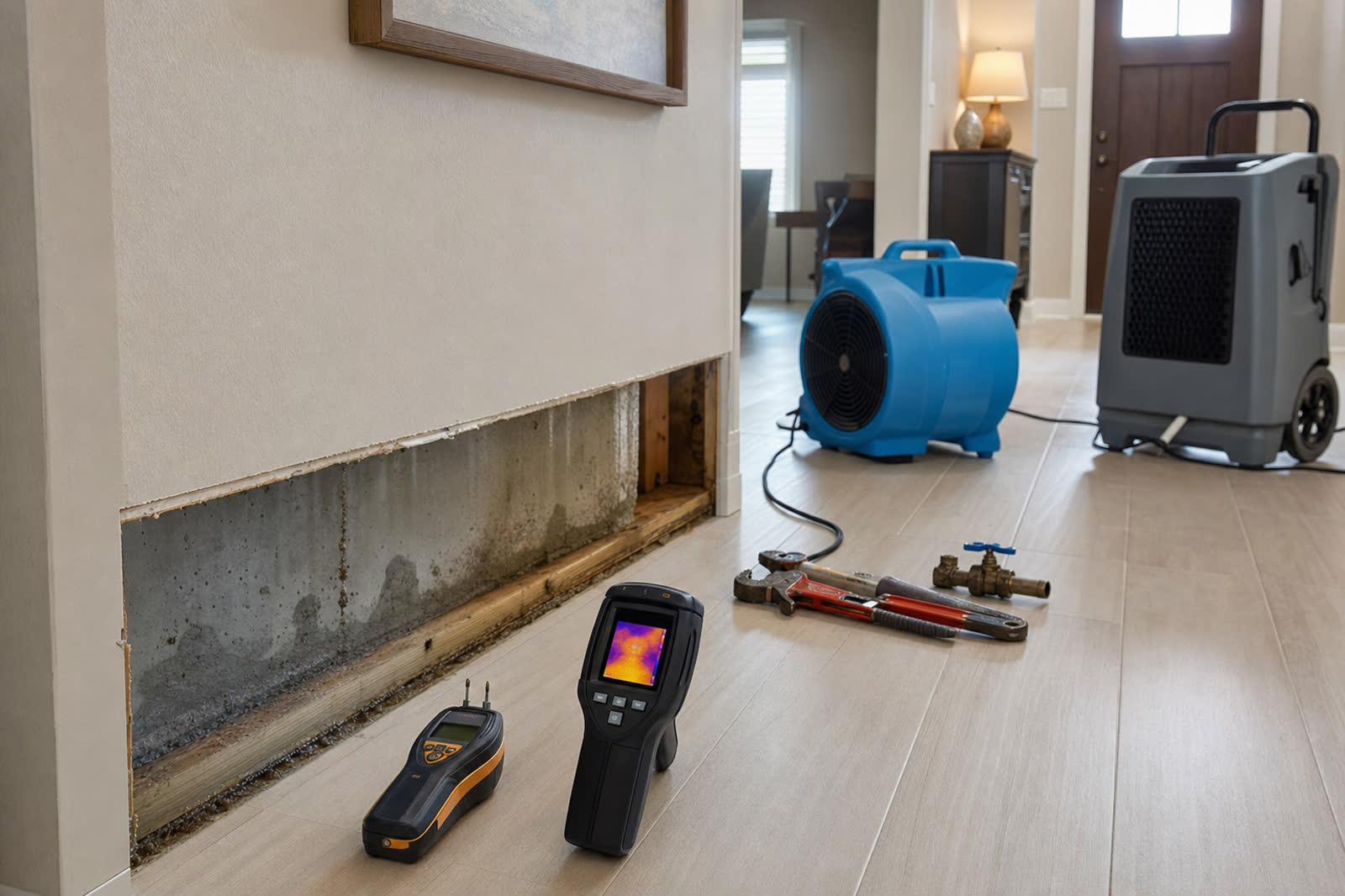
Document hidden damage that adjusters sometimes overlook. Smoke infiltrates wall cavities, attics, and crawl spaces. It deposits acidic soot on framing, wiring, and ductwork. Those areas require cleaning or replacement, not just cosmetic repair. Take photos inside walls if access panels or demolition expose hidden damage.
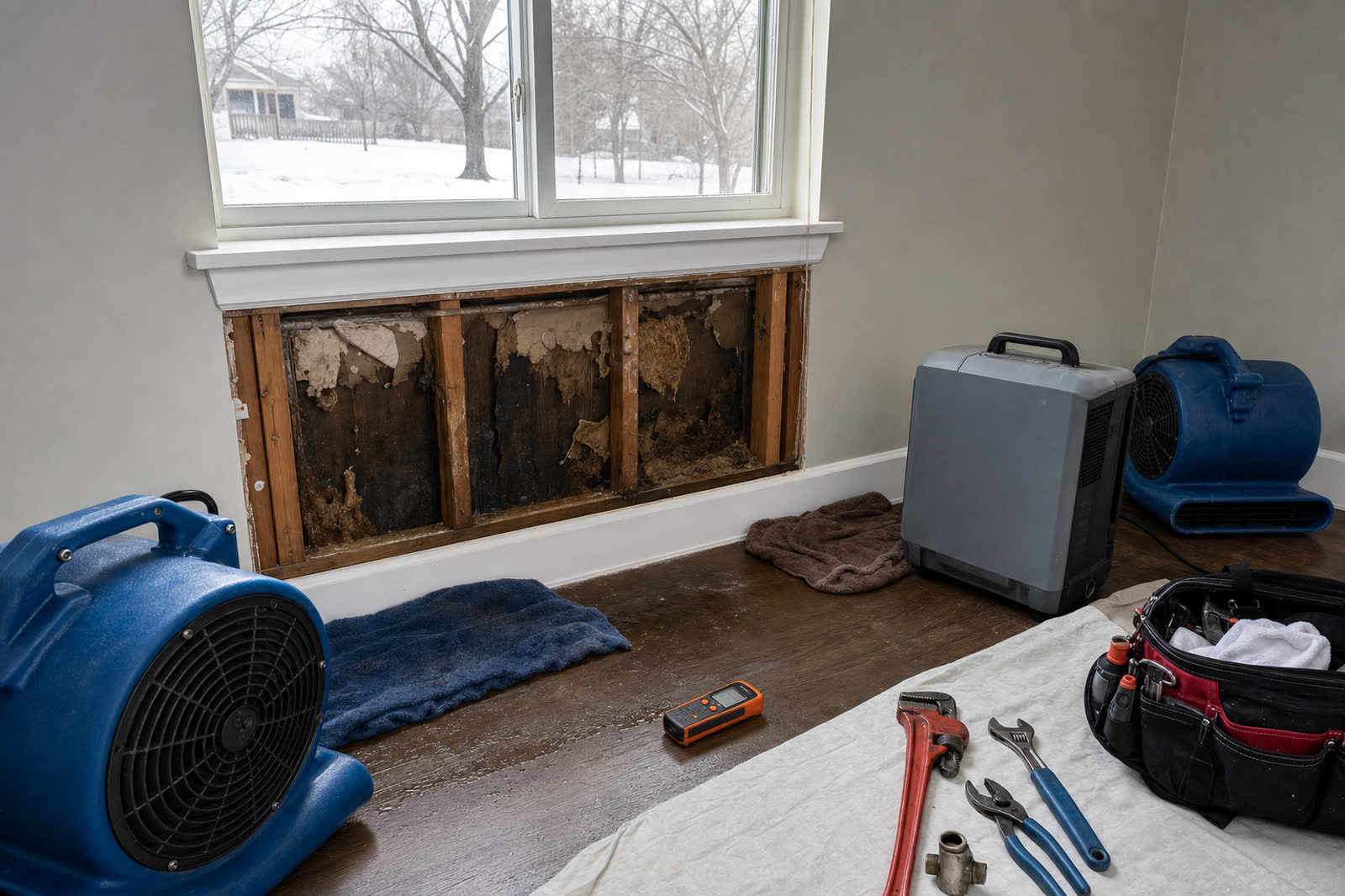
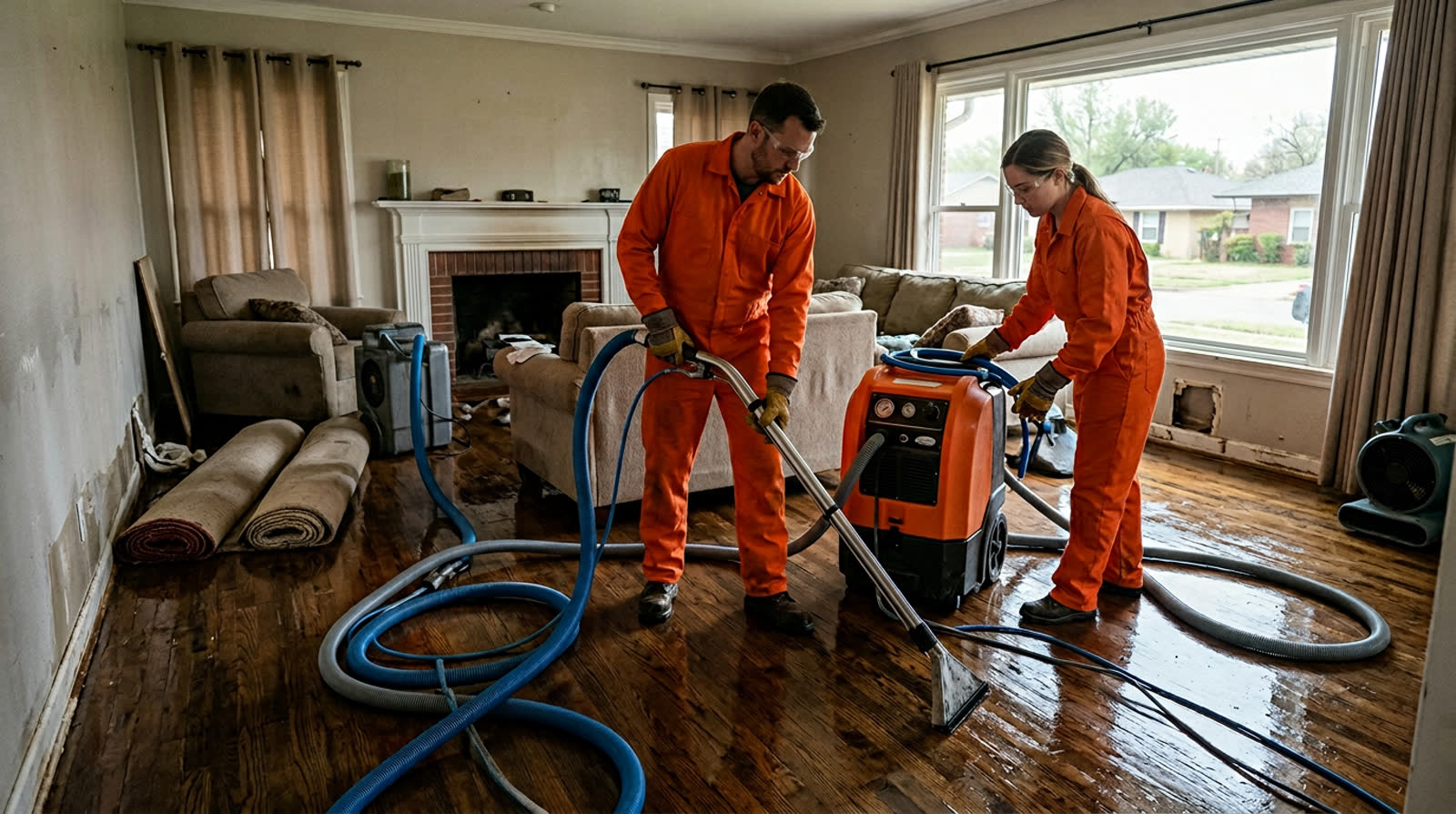
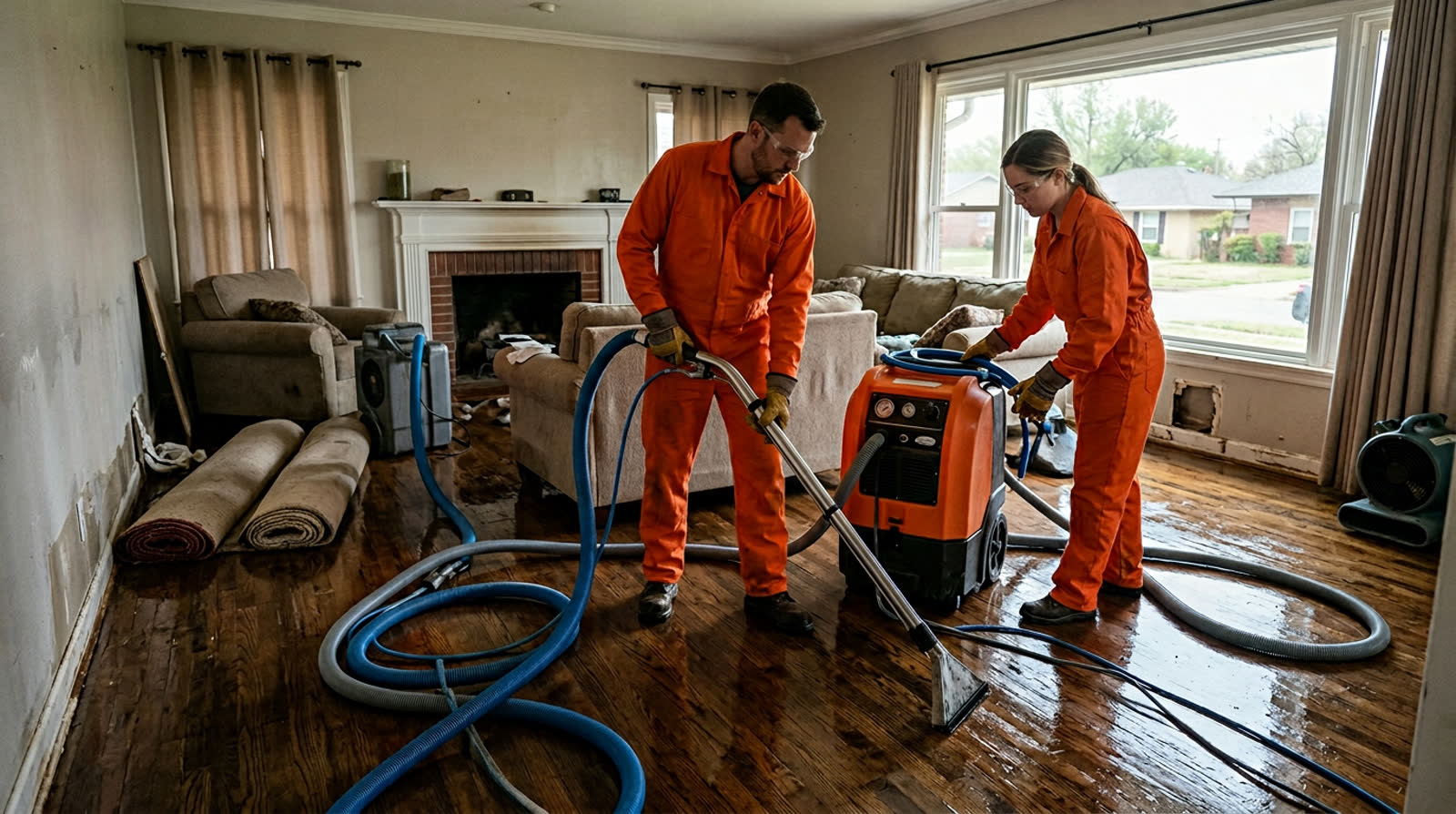
Include photos of secondary water damage from fire suppression. Soaked carpets, wet drywall, and standing water are all part of the loss. Water damage can lead to mold growth if not dried quickly. That adds to the scope and cost of restoration. Water damage restoration is often a significant line item after a fire.
Keep a claim journal with dates, times, and names of everyone you speak with. Note what was said during phone calls with adjusters, contractors, and your insurance agent. Written records protect you if disputes arise later. Email is better than phone calls because it creates a paper trail.
What Does Fire Damage Restoration Cost in Edmond?
Fire damage restoration costs vary widely based on the size of the loss, the extent of structural damage, and the level of smoke infiltration. Industry estimates for a moderate residential fire in Edmond typically range from $15,000 to $50,000. Large fires with extensive structural damage can exceed $100,000. These are rough estimates, not guarantees.
Costs break down into several categories. Emergency board-up and tarping usually run $1,000 to $3,000. Smoke and soot cleaning for a single-story home averages $5,000 to $15,000, depending on surface types and contamination levels. Water extraction and drying from firefighting efforts add $2,000 to $10,000. Structural repairs and rebuilding are the largest expense, often $20,000 to $80,000 or more.
Content cleaning and storage add to the total. Pack-out services remove salvageable items from the home, clean them at an offsite facility, and store them until restoration is complete. Costs depend on the volume of contents and cleaning methods required. Ozone treatment, thermal fogging, and specialty cleaning for electronics or artwork increase expenses.
Do not forget soft costs like permit fees, engineering reports, and temporary housing. Additional Living Expense coverage in your policy should cover hotel and meal costs, but track everything. You will need to submit receipts for reimbursement. Some policies cap ALE at a percentage of your dwelling coverage or limit the duration.
Edmond has specific permitting and inspection requirements for fire restoration work. Contractors must register with the city before starting major repairs. That costs a few hundred dollars, but it is required. Electrical, plumbing, and structural work all need inspections. Budget time and money for compliance.
In our experience, accurate estimates require an onsite inspection. We assess visible damage, test for hidden contamination, and identify safety hazards. We provide a detailed scope of work broken down by task and cost. That gives you and your insurance company a clear picture of what is needed. Transparency prevents disputes later.
Edmond homeowners should know that fire restoration timelines directly affect overall costs, particularly for temporary housing and storage fees. A straightforward smoke and soot cleanup in a single room might take three to five days. A whole-home fire restoration with structural repairs typically requires four to twelve weeks, depending on the scope of reconstruction and inspection schedules. During this period, you continue paying for content storage, equipment rental, and alternative accommodations. If your policy covers Additional Living Expenses, track these receipts carefully. The longer the project runs, the higher these soft costs climb.
Oklahoma's clay-heavy soil presents a hidden cost factor for homes with foundation involvement. Fire damage that compromises load-bearing walls or requires partial rebuilds often necessitates foundation inspections. Edmond sits on expansive clay soils that shift with moisture changes. Engineers may require soil tests and compaction reports before approving structural work, adding $800 to $2,500 to the project. If firefighting water saturated the ground around the foundation or if heat damaged pier and beam supports, expect additional engineering consultations and possible underpinning work.
The City of Edmond enforces specific permit and inspection requirements that affect restoration schedules and costs. Any structural work, electrical rewiring, or HVAC replacement requires permits. Permit fees for residential fire restoration generally range from $200 to $1,200, depending on the scope. Inspections occur at multiple stages: framing, electrical rough-in, plumbing, insulation, and final. Each inspection must pass before work continues. Contractors familiar with Edmond's building department can streamline this process, but delays still happen. Budget at least two to four weeks for permitting and inspections within your overall timeline.
HVAC system replacement or deep cleaning represents another major cost category often underestimated. Smoke infiltrates ductwork and can deposit soot throughout the system. A full duct cleaning for a typical Edmond home runs $500 to $1,500. If the system itself sustained heat damage or if soot contamination is severe, replacement costs range from $5,000 to $12,000 for a complete residential unit. This expense sometimes surprises homeowners who assume only visible fire damage requires repair.
Working With Adjusters and Restoration Contractors
Your insurance adjuster will schedule a visit to inspect the damage and prepare an estimate. Be present during the inspection if possible. Walk through the property with the adjuster and point out all damage. Do not assume the adjuster will notice everything. Some hidden damage is easy to miss.
Ask questions about the estimate. What is included? What is excluded? Are line items based on actual costs or outdated pricing? Adjusters often use estimating software like Xactimate, which relies on regional cost data. Those databases sometimes lag behind actual market prices, especially after a busy storm season in Oklahoma.
You have the right to hire your own contractor and get an independent estimate. In fact, we recommend it. A restoration contractor experienced in insurance work can identify damage the adjuster missed and challenge undervalued line items. Your contractor becomes your advocate during the claims process.
Be cautious of contractors who knock on your door immediately after a fire. Some are legitimate, but others are storm chasers who do poor work and disappear. Check references, verify local registration, and confirm they carry liability insurance and workers' compensation coverage. Ask if they have experience working with insurance companies on fire claims.
A good restoration contractor will document damage thoroughly, communicate with your adjuster, and advocate for a fair settlement. They should provide a detailed written estimate, explain the restoration process, and answer your questions. They will not pressure you to sign a contract on the spot or ask for large upfront payments.
We coordinate directly with insurance adjusters on behalf of our clients. We provide detailed photos, moisture readings, and scope documents that justify every line item. If the adjuster disputes a cost, we provide supporting documentation. That saves homeowners from getting caught in the middle of disagreements. We have worked with most major carriers in Edmond and understand their expectations.
Communication is critical. Stay in regular contact with your adjuster and contractor. Return calls promptly. Provide requested documentation quickly. Delays on your end can slow the entire claims process. If you feel your claim is being mishandled, escalate to a supervisor or consider hiring a public adjuster to represent you.
Need help now? See our full Water Damage Restoration service page or browse all restoration services. Don't see your city above? The full Oklahoma service area covers 27 cities.
Local context for this article: see our Edmond, OK restoration page and the Water Damage Restoration in Edmond service page.
This guide also pairs with emergency water mitigation and mold remediation when drying is missed.
Should I hire a public adjuster for my fire damage claim in Edmond?
A public adjuster works for you, not the insurance company, and can help negotiate a higher settlement. They typically charge 10 to 15 percent of the final payout. Consider hiring one if your claim is large, complex, or disputed, or if you feel overwhelmed by the process. For straightforward claims, working with an experienced restoration contractor may be sufficient. We have seen public adjusters add significant value on high-dollar losses or when carriers deny legitimate damage.
Authoritative resources referenced
Need restoration help in Oklahoma?
24/7 dispatch, IICRC standards, direct insurance billing.