What Should You Do Immediately After Wind Damage?
Prioritize safety first. Check for downed power lines, gas leaks, and structural instability before entering your property. If you smell gas or see sparks, evacuate and call emergency services. Document everything with photos and videos from multiple angles, capturing both close-up damage and wide shots that show the overall scope.
Wind damage repair steps for Norman homeowners begin the moment the storm passes. Your first hour matters tremendously for both safety and insurance purposes. Take photos of damaged roofing, siding, windows, fences, and any debris that caused impact damage. Include time-stamped images if your phone supports them.
Call your insurance company as soon as possible. Most policies require prompt notification of losses. Ask about your coverage limits, deductible, and whether they require specific documentation. Request a claim number and the name of your assigned adjuster. Keep a written log of every conversation, including dates, times, and what was discussed.
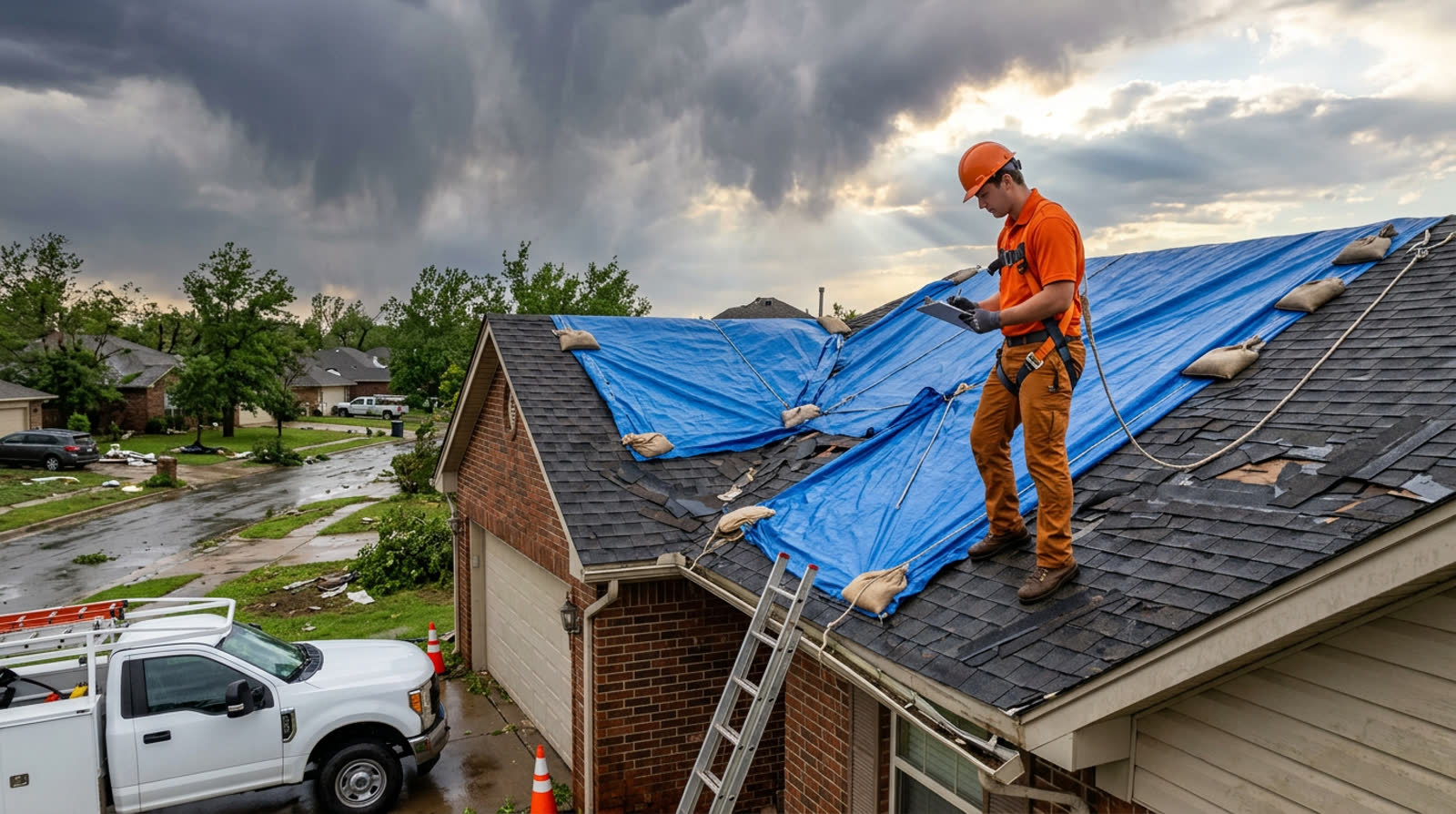
Secure your property to prevent additional damage. Insurance policies typically require you to mitigate further losses. This means covering broken windows with plywood, placing tarps over damaged roof sections, and moving vulnerable items away from leaks. Save all receipts for emergency materials. Most policies reimburse reasonable mitigation expenses.
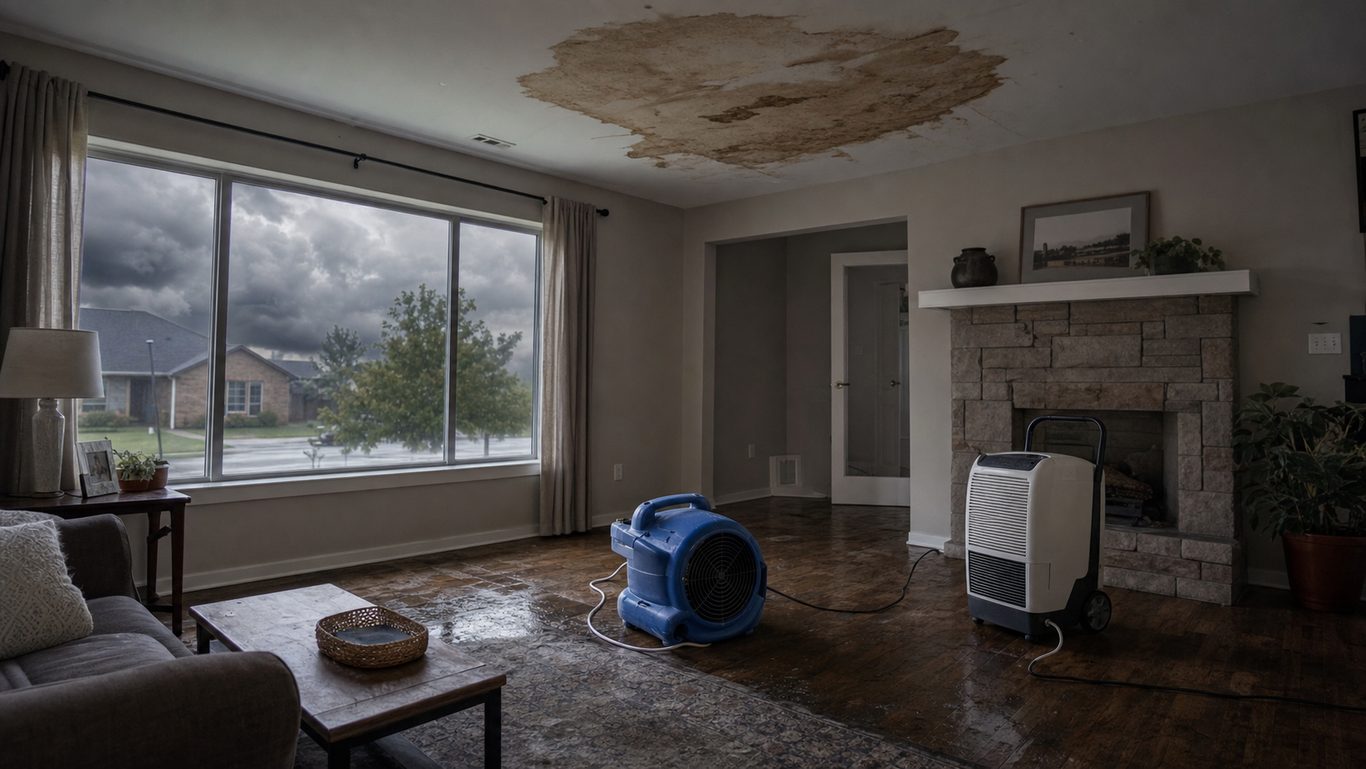
Contact a qualified restoration company for a professional assessment. We've seen Norman homeowners underestimate wind damage because the visible signs seem minor. A small roof leak can hide significant decking damage underneath. Cracked siding might indicate sheathing problems. Professional equipment like moisture meters and thermal cameras reveal hidden issues that worsen over time.
How Do You Document Wind Damage for Insurance Claims?
Create a full visual record before touching anything. Photograph every damaged area from multiple angles. Include reference objects like tape measures or coins to show scale. Capture the manufacturer labels on damaged equipment like HVAC units or water heaters. These details help adjusters verify replacement costs and validate your claim.
Make a detailed written inventory of all damaged items. List each item's age, purchase price if known, and current condition. For structural damage, note the affected areas by room and square footage. Describe damage precisely using terms like "missing shingles," "cracked siding," or "shattered window glass" rather than vague descriptions.
We recently helped a homeowner in Norman whose adjuster initially missed significant soffit damage hidden behind a downspout. The homeowner's thorough documentation, including ladder photos showing the concealed area, resulted in proper claim payment. Your insurance company works from the evidence you provide.
Record the storm date and time. Check local weather reports and save documentation showing wind speeds in your area. The National Weather Service archives this data. Some insurance companies dispute wind damage claims when official wind speeds seem borderline. Local news reports and neighbor accounts can support your timeline.
Document pre-existing conditions separately. If your roof already had worn shingles or your fence had previous damage, photograph and note these issues. This prevents disputes about what the storm actually caused. Honest documentation protects you from accusations of claiming old damage as new losses.
Keep copies of everything in multiple locations. Store photos on your phone, computer, and cloud storage. Email important images to yourself. Insurance claims can take months, and you'll need access to this documentation throughout the process. Physical copies in a binder help during face-to-face adjuster meetings.
Understanding Oklahoma Wind Damage Insurance Coverage
Oklahoma homeowners policies typically cover sudden wind damage under the dwelling and personal property sections. Your dwelling coverage pays for structural repairs like roofing, siding, and windows. Personal property coverage handles damaged belongings inside your home. Most policies include actual cash value or replacement cost coverage, which significantly affects your payout.
Replacement cost coverage pays to rebuild or replace damaged items at current prices without depreciation deductions. Actual cash value coverage subtracts depreciation based on age and wear. A 15-year-old roof with actual cash value coverage might only receive 30 to 40 percent of replacement cost. Review your policy declarations page to understand which coverage type you carry.
Wind damage falls under your policy deductible, typically $1,000 to $2,500 for Oklahoma homeowners. Some policies use percentage deductibles of one to two percent of your dwelling coverage amount. On a $250,000 dwelling policy with a one percent deductible, you'd pay the first $2,500 of repairs. Budget for this out-of-pocket expense when planning your storm damage restoration.
Norman sits in an area where some insurers apply separate wind and hail deductibles. These can be higher than your standard policy deductible. Read your policy carefully or call your agent to clarify which deductible applies. This affects whether filing a claim makes financial sense for smaller damage amounts.
Loss of use coverage, also called additional living expenses, pays for temporary housing if wind damage makes your home uninhabitable. This coverage has dollar limits and time restrictions. Save receipts for hotel stays, restaurant meals, and other displacement costs. The insurance company needs documentation to reimburse these expenses.
Some exclusions apply even with wind coverage. Policies often exclude damage from long-term leaks, maintenance issues, or gradual deterioration. If wind lifted shingles that were already failing due to age, expect disputes about causation. Flood damage from wind-driven rain might fall under a separate flood policy rather than your homeowners coverage.
Roof Repair and Replacement After Norman Wind Events
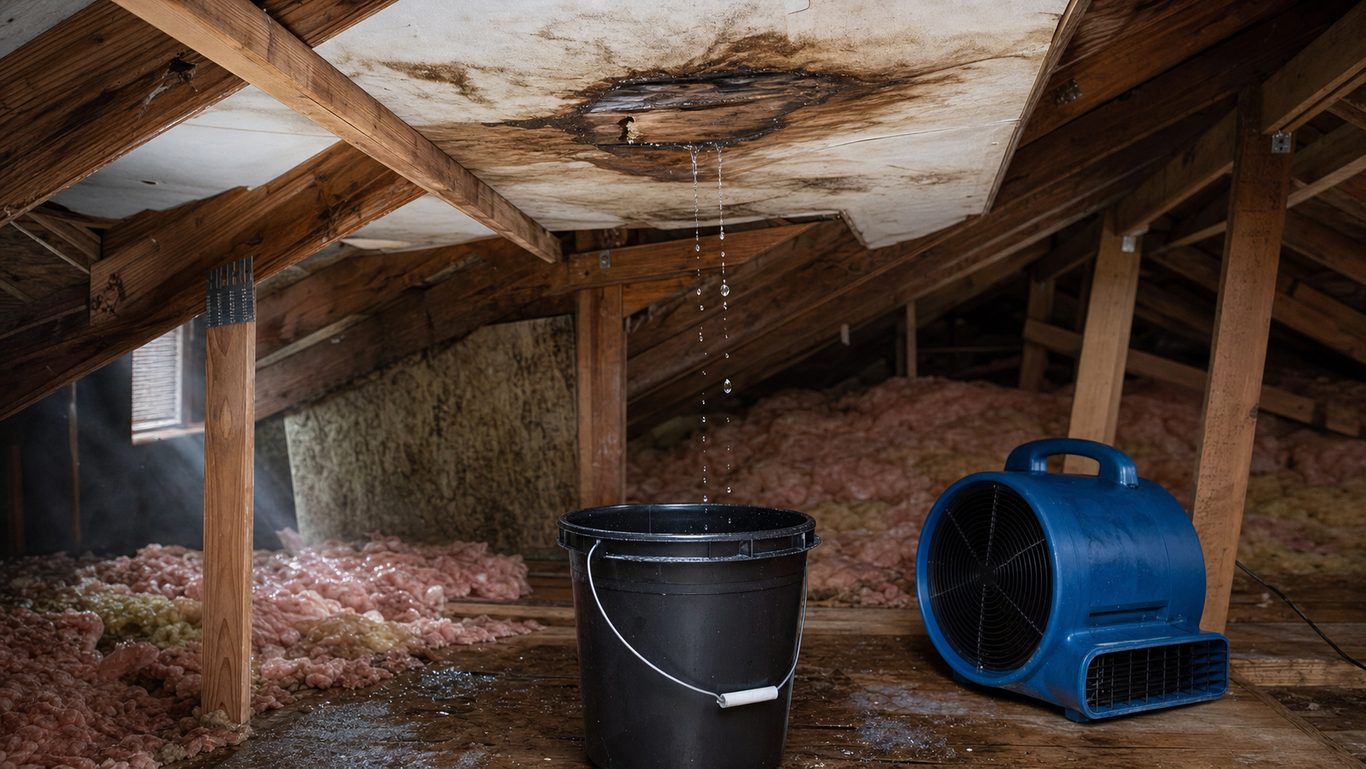
Norman's spring storms produce straight-line winds exceeding 70 mph that can strip shingles, tear flashing, and damage roof decking. Inspect your roof from the ground using binoculars if you're uncomfortable with heights. Look for missing or lifted shingles, exposed underlayment, damaged vents, and debris impacts. Check your attic for daylight showing through the roof boards or water stains on decking.
Composition shingles, the most common roofing in Norman, typically show wind damage as missing tabs, creased shingles, or lifted edges. Metal roofing might have dents, loose panels, or damaged fasteners. Tile roofing can crack or shift. Each material requires different repair approaches and specialists familiar with that roofing system.
Temporary tarping prevents additional water damage while you arrange permanent repairs. Use heavy-duty tarps secured with wood battens, not just tarps weighted with sandbags. Wind can tear poorly secured tarps loose, causing more damage. Professional tarping services ensure proper installation that withstands Oklahoma's unpredictable weather until repairs begin.
Roof decking inspection often reveals hidden damage that adjusters miss during ground-level assessments. We've found soft spots, cracks, and water intrusion in decking that looked fine from below. Contractors must remove damaged shingles to properly assess the decking. This is why detailed written estimates beat quick verbal quotes.
Matching existing shingles can be challenging for partial repairs on roofs older than 10 years. Discontinued colors and weathering differences make patches obvious. Some insurance adjusters argue for partial repairs when full replacement makes more sense aesthetically and functionally. A qualified contractor's opinion about whether matching is feasible carries weight in these discussions.
Roof permits and inspections apply in Norman for most roof replacements. Your contractor should handle permit applications and schedule required inspections. The city building department verifies that work meets code requirements for wind resistance, which protects you during future storms. Unpermitted work can cause problems when selling your home or filing future claims.
Siding, Window, and Exterior Wind Damage Repairs
Vinyl siding, common in Norman neighborhoods, cracks or tears away during high winds. Inspect all sides of your home, both the side facing the storm's approach. Wind creates pressure differentials that can damage unexpected areas. Check for missing panels, cracks, holes from flying debris, and loose sections that flap in normal winds.
Hail and wind often occur together in Oklahoma storms. Look for combined damage patterns like dented siding with missing chunks, or cracked siding with impact marks. These dual damage patterns strengthen insurance claims because they clearly show storm causation rather than age-related wear.
Matching siding color and texture presents similar challenges to roof repairs. Siding weathers over time, and manufacturers discontinue product lines. Your contractor might need to replace entire sides to achieve consistent appearance. Insurance companies sometimes resist these upgrades and matching issues are legitimate concerns that affect your home's value and appearance.
Window damage ranges from broken glass to frames torn from openings. Inspect all windows, including those on second stories and in attics. Check for cracked panes, broken seals causing fogging, damaged screens, and compromised weatherstripping. Even windows that appear intact might have seal damage that reduces energy efficiency and allows moisture infiltration.
We recently repaired a home in Moore where wind pressure blew out a large picture window but left adjacent windows intact. The pressure differential during tornadic winds creates unpredictable damage patterns. Don't assume similar windows elsewhere are fine just because they look undamaged. Professional inspection catches these issues before they worsen.
Fascia, soffit, and trim boards tear loose during severe wind events. These components protect roof edges and wall cavities from weather exposure. Damaged fascia allows water behind siding and into wall cavities. This can lead to hidden rot and mold growth if not addressed promptly. Check all trim boards, especially on corners and roof edges where wind forces concentrate.
Gutters and downspouts often sustain impact damage from flying debris or tear loose from wind uplift. Bent gutters, separated seams, and missing sections allow water to pour directly against your foundation. This can cause basement flooding and foundation problems. Gutter repairs should be part of your full wind damage restoration plan.
Choosing a Qualified Wind Damage Contractor in Norman
Verify that contractors carry general liability insurance and workers compensation coverage. Ask for certificates of insurance and call the insurance companies to confirm active policies. Uninsured contractors expose you to liability if workers are injured on your property. Oklahoma's workers compensation laws hold property owners responsible when uninsured contractors lack coverage.
Check references from recent storm damage projects in your area. Call these homeowners and ask about communication, quality, timeline, and how the contractor handled insurance issues. Drive by completed projects if possible to assess quality. Recent work demonstrates current capabilities better than jobs from years ago.
Beware of storm chasers who flood Norman after major weather events. These out-of-state contractors often provide low initial estimates, perform substandard work, and disappear before warranty issues arise. Local contractors with established reputations have more incentive to stand behind their work. Check business addresses, both phone numbers that can be forwarded anywhere.
Get detailed written estimates from at least three contractors. Estimates should specify materials by manufacturer and model number, labor costs, timeline, payment schedule, and warranty terms. Vague estimates like "roof repair" without details make it impossible to compare bids fairly. Detailed estimates also help insurance adjusters understand the scope of necessary work.
We can't always save homeowners from lowball estimates that seem attractive initially. Contractors who dramatically underbid others often cut corners, use inferior materials, or add charges later through change orders. The lowest bid rarely represents the best value. Focus on qualifications, references, and detailed proposals rather than price alone.
Ask about the contractor's experience with insurance claims. Qualified contractors understand how to document damage, communicate with adjusters, and advocate for proper repairs. They should be willing to meet with your adjuster and provide supplemental estimates if initial claim payments seem inadequate. This expertise can mean thousands of dollars in proper claim settlements.
Verify licensing and registration requirements. Oklahoma doesn't require state general contractor licenses and Norman requires contractor registration for many types of work. Check with the city building department to confirm your contractor's registration status. Some specialized trades like electrical and plumbing require state licenses regardless of city requirements.
Timeline and Cost Expectations for Wind Damage Repairs
Emergency tarping and board-up services typically happen within 24 to 48 hours after storms. These temporary measures prevent additional damage while you arrange permanent repairs. Expect costs between $300 and $1,500 depending on damage extent and access difficulty. Most insurance policies reimburse reasonable emergency protection expenses.
Insurance claim processing takes two to six weeks on average. Your adjuster will schedule an inspection, write an estimate, and submit it for approval. Complex claims with multiple damage types or coverage disputes take longer. Stay in regular contact with your adjuster and respond promptly to requests for additional information or documentation.
Roof repairs for wind damage typically cost between $400 and $2,500 for minor repairs affecting a few squares. Full roof replacement ranges from $8,000 to $25,000 depending on home size, roofing material, and complexity. These are industry estimates based on typical Oklahoma pricing. Your actual costs depend on specific damage and material choices.
Siding repairs cost $300 to $1,000 for small sections, while full-home siding replacement ranges from $8,000 to $18,000 for typical Norman homes. Window replacement costs $300 to $1,200 per window depending on size, type, and energy efficiency ratings. High-end windows with specialized glass can exceed these ranges.
Repair timelines depend on contractor availability, material lead times, and weather conditions. Simple repairs might complete in a few days. Full roof replacement typically takes two to five days for average homes. Siding replacement can take one to three weeks. Major storms that damage many homes create contractor backlogs that extend all timelines significantly.
In our experience, Norman homeowners should expect four to eight weeks from storm damage to completed repairs during typical conditions. After widespread severe weather events like the May 2013 or 2024 Oklahoma City area tornadoes, timelines can stretch to six months or longer. Supply chain issues can delay specific materials even when contractors are ready to work.
Payment structures vary by contractor and project size. Many require deposits of 10 to 30 percent to order materials, with progress payments as work advances. Never pay the full amount upfront. Final payment should be due after work completion and your inspection. Most contractors work directly with insurance companies to streamline payments for covered repairs.
Need help now? See our full Storm Damage Restoration service page or browse all restoration services. Don't see your city above? The full Oklahoma service area covers 27 cities.
Local context for this article: see our Norman, OK restoration page and the Storm Damage Restoration in Norman service page.
This guide also pairs with water damage restoration for any rain intrusion and water mitigation for active leaks after the storm.
Should I sign a contract with a roofing contractor before my insurance adjuster inspects the damage?
Wait until after your adjuster's inspection before signing contracts. The adjuster needs to assess damage independently without contractor influence. You can get estimates beforehand, but signing commits you to potentially unnecessary work or prices that exceed your coverage. Some contractors pressure homeowners to sign immediately after storms. Resist this pressure. Reputable contractors understand insurance processes and won't rush you. After the adjuster's visit, you can compare their estimate to contractor bids and make informed decisions. If contractors find damage the adjuster missed, they can provide supplemental estimates for additional claim consideration. This protects both your insurance coverage and your ability to choose the best contractor.
Authoritative resources referenced
Need restoration help in Oklahoma?
24/7 dispatch, IICRC standards, direct insurance billing.