How Do I Start a Storm Damage Insurance Claim in Moore?
Contact your insurance carrier as soon as conditions are safe, ideally within 24 hours of the storm event. You'll receive a claim number and initial instructions. Most carriers have mobile apps or phone hotlines that stay active during major weather events. Document the date and time you reported the claim.
Take photos and video of every damaged area before you start cleanup. Capture wide shots showing the whole room or exterior, then close-ups of specific damage. Include storm debris near your property to establish cause. We've seen claims delayed because homeowners cleaned up too quickly and lost critical evidence.
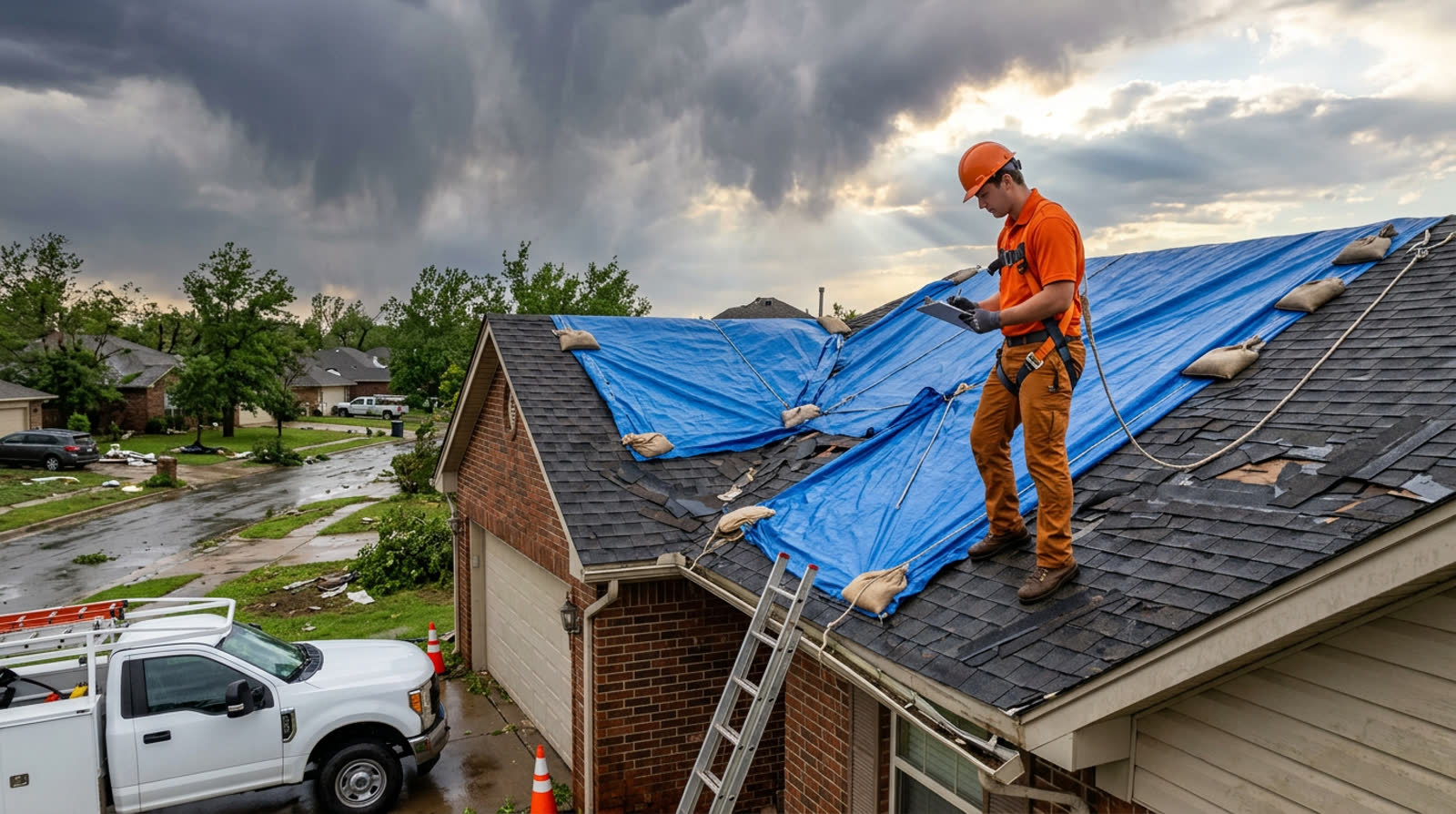
Make temporary repairs to prevent additional damage. Oklahoma law and standard insurance policies require you to mitigate further losses. Cover roof holes with tarps, board up broken windows, or extract standing water. Save all receipts for materials and labor. These emergency expenses are typically reimbursable under your policy.
Request a copy of your full policy if you don't have one. Read the declarations page to confirm your coverage limits, deductible, and any special endorsements. Understand whether you have replacement cost or actual cash value coverage. This affects how much you'll receive for damaged materials and contents.
Keep a written log of every conversation with your insurer. Note names, dates, times, and what was discussed. Follow up phone calls with email summaries. This creates a paper trail if disputes arise later. In Moore, where catastrophic events generate thousands of simultaneous claims, organization prevents your file from falling through the cracks.
What Storm Damage Does Insurance Actually Cover?
Most homeowners policies cover sudden, accidental damage from wind, hail, lightning, and falling objects. Tornado damage falls under wind peril. Hail dents to roofs, siding, and gutters are typically covered. Trees or branches that fall and strike your home qualify, even if the tree was on your property.
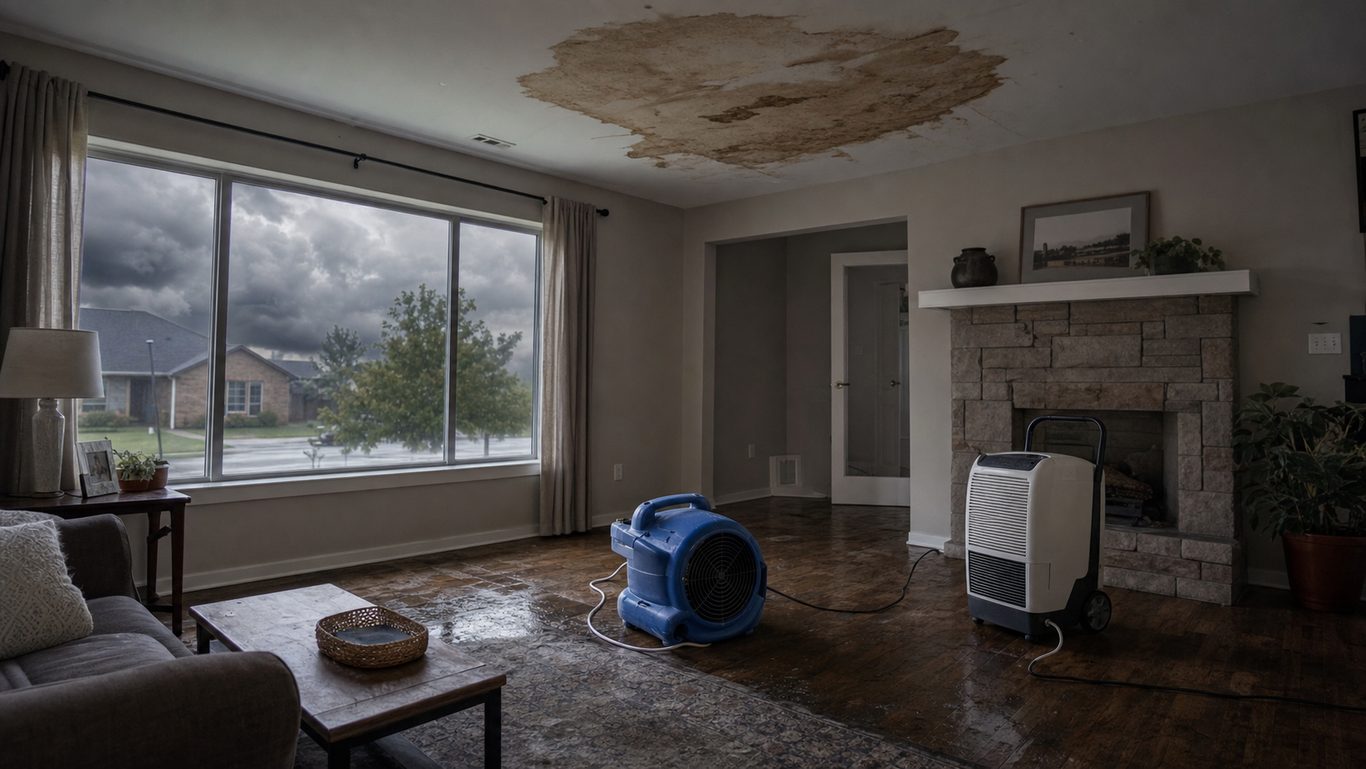
Wind-driven rain that enters through storm-created openings is usually covered. If your roof is torn off or a window breaks during the storm, water damage to your interior is part of the covered loss. Standard policies exclude flood damage, which requires separate flood insurance through the National Flood Insurance Program.
Your policy likely covers both the structure and your personal property inside. Structural coverage pays for roof repairs, siding replacement, window glass, and framing. Contents coverage reimburses damaged furniture, electronics, clothing, and appliances. These have separate limits and deductibles.
Additional living expenses (ALE) cover hotel bills and meals if your home becomes uninhabitable. Most policies set limits based on a percentage of your dwelling coverage or a specific time period. Keep every receipt if you need to relocate temporarily. We recently worked with a family in Moore whose entire second story was destroyed by a tornado, and their ALE coverage kept them housed for six months during reconstruction.
Policies generally exclude damage from neglected maintenance. If your roof was already in poor condition before the storm, the adjuster may depreciate the claim or deny portions. Gradual leaks, mold from pre-existing moisture, and cosmetic hail damage to older roofs sometimes trigger disputes. Document your home's condition before storm season to establish baselines.
Understanding Moore's Unique Storm Risk Profile
Moore sits in the most tornado-prone corridor in the United States. The community has faced EF5 tornadoes in 1999, 2013, and numerous other significant events. Insurance companies price policies with this history in mind. Your premiums reflect higher risk, but underwriters also apply stricter scrutiny during claims.
Hail is common across central Oklahoma from March through June. Golf ball to softball-sized hail can shred shingles, dent metal roofs, and crack skylights. Many Moore homes built after 2013 have impact-resistant roofing, which may qualify for premium discounts. If you're filing a hail claim, the adjuster will check if you've already claimed hail damage in recent years.
Severe straight-line winds often accompany thunderstorms even without tornadoes. Gusts exceeding 70 mph can lift shingles, tear off fascia, and topple fences. Oklahoma's red clay soil becomes unstable when saturated, causing trees to uproot and fall. Wind claims require proof that damage occurred during a documented weather event, so note the date and reference National Weather Service reports.
Ice storms occasionally strike during winter months. While less frequent than tornadoes, ice accumulation can snap tree limbs and damage rooflines. Freezing rain followed by rapid thaws sometimes causes ice dams and interior leaks. Most policies cover this under wind and weight of ice or snow provisions.
Because Moore experiences multiple claim events, insurers sometimes impose waiting periods or non-renewal clauses after major disasters. File legitimate claims, but understand that frequency can affect future insurability. Professional restoration documentation helps justify claims and reduces the appearance of exaggerated losses.
What Adjusters Look for During Storm Inspections
The insurance adjuster will schedule a site visit within days or weeks, depending on the event's scale. Large disasters like tornadoes create backlogs. The adjuster inspects all claimed damage, measures affected areas, and photographs everything. They compare damage patterns to known storm signatures to confirm the cause.
For roof damage, adjusters check for wind-lifted shingles, creased ridge caps, and nail pops. Hail damage appears as bruising on asphalt shingles or dents on metal. They'll look at multiple roof planes to establish consistent impact patterns. Inconsistent damage raises red flags about pre-existing wear versus storm loss.
Interior inspections focus on water intrusion points. The adjuster traces stains and wet materials back to exterior openings. They assess structural components like trusses, joists, and framing for wind stress or impact damage. Expect them to take moisture readings in walls and ceilings to document the extent of water saturation.
Adjusters review your mitigation efforts. Proper tarping and board-up work show you acted responsibly. Delayed mitigation or evidence of additional damage from waiting too long can reduce your payout. They'll also check if emergency repairs were reasonable in scope and cost.
In our experience, having a professional restoration estimate ready when the adjuster arrives streamlines the process. We provide detailed scope sheets with line-item pricing, photos, and moisture maps. This gives the adjuster a third-party reference and often speeds up approval. Disagreements about scope can be negotiated more easily when both sides have documentation.
Adjusters in Moore pay close attention to surrounding properties during their inspection. If your neighbor's roof shows no hail strikes but yours displays heavy impact marks, the adjuster will document that discrepancy. They often walk the block or check nearby homes to establish a damage footprint. Uniform damage across multiple properties strengthens your claim. Isolated damage on a single home invites closer scrutiny and questions about when the damage actually occurred.
Oklahoma's clay soil creates foundation movement that adjusters distinguish from storm damage. Cracks in drywall or brick veneer might look storm-related, but adjusters check for diagonal stair-step patterns typical of settling versus fresh horizontal cracks from wind racking or impact. They note whether cracks are sharp and clean or have dust and cobwebs, which indicate age. Storm-induced structural cracks often align with other fresh damage like displaced framing or torn roof decking. Pre-existing foundation issues are excluded from storm policies, so adjusters document anything that looks like long-term settlement.
Wind direction matters during the inspection. Moore's severe weather typically arrives from the southwest. Adjusters note which roof planes and walls face that direction. Damage concentrated on south and west exposures aligns with straight-line winds or tornadic activity. If the north side of your home shows heavy damage but the south side is clean, the adjuster will investigate whether a different event caused it. They cross-reference the National Weather Service storm reports for your ZIP code on the date of loss to verify wind speed and direction.
Adjusters measure the size and depth of hail impacts using specialized tools. They carry calipers or small graduated rulers to record dent diameter on metal vents, flashing, or air conditioning units. Soft metals dent more easily than shingles, so adjusters use them as indicators. A condenser unit with dozens of uniform dents supports a hail claim even if shingle damage is subtle. They also test shingle granule loss by running a hand across the surface. Loose granules that come away easily suggest impact damage rather than normal aging.
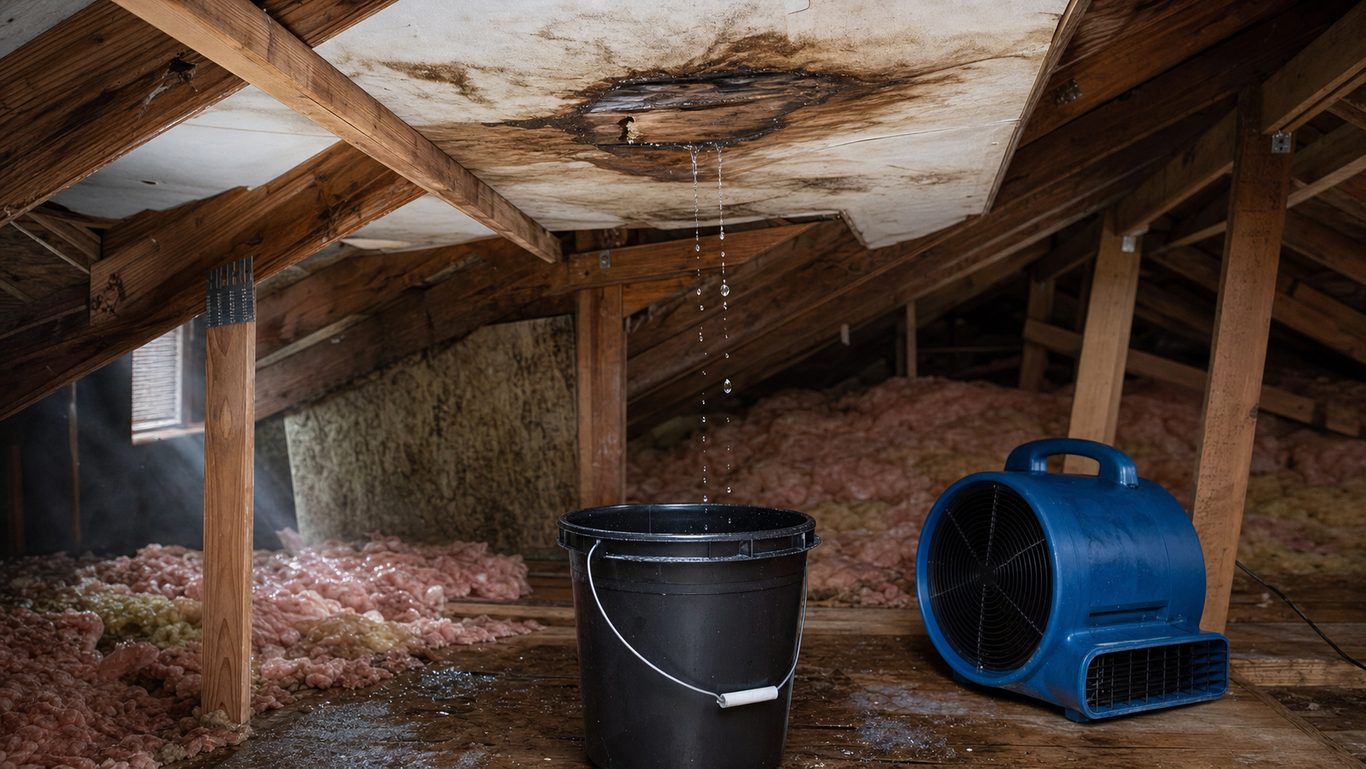
Expect the adjuster to climb into your attic if accessible. They inspect the underside of roof decking for water stains, broken truss members, or daylight shining through punctures. Wet or dark sheathing indicates active leaks. They use moisture meters on wood framing to quantify saturation levels. Readings above 20 percent typically confirm recent water intrusion. Adjusters also look for older stains with dry wood underneath, which point to past leaks unrelated to your current claim.
The adjuster's report includes an estimate based on Xactimate or similar software. This program uses local Moore pricing for materials and labor. Adjusters input every damaged component, square footage, and the scope of repairs. The estimate becomes the basis for your settlement offer. If you hire a restoration company before the adjuster visits, having a professional present during the inspection ensures nothing gets missed and that the adjuster's scope matches the actual damage.
Common Reasons Storm Claims Get Denied or Underpaid
Delayed reporting is a frequent issue. Policies require prompt notice of loss. If you wait weeks or months to file, the insurer may argue they couldn't verify the damage occurred during the claimed event. Report quickly, even if you're unsure of the full extent.
Lack of documentation kills claims. Without photos or professional assessments, you're relying on memory and the adjuster's interpretation. We've seen homeowners lose thousands because they cleaned up debris before taking pictures. Always photograph before you sweep up.
Pre-existing damage or poor maintenance provides grounds for denial. If your roof was past its lifespan or had prior leaks, the adjuster may attribute current damage to wear and tear. Maintenance records and past inspection reports help prove the damage is new.
Mismatched perils cause confusion. If you claim wind damage but the policy excludes that peril, or if flood damage is presented as wind-driven rain, expect denial. Understand your specific coverages. In Oklahoma City metro claims, flood versus wind-driven rain distinctions are common battlegrounds.
Underinsured homes create payout gaps. If your dwelling coverage limit is lower than actual replacement cost, you'll receive only a percentage of the loss. Review your policy annually and adjust limits as construction costs rise. This doesn't deny the claim but leaves you financially short.
Scope disputes happen frequently. The adjuster's estimate may cover only direct storm damage while excluding related issues. For example, they might approve roof replacement but deny interior drywall repairs from resulting leaks. Professional estimates from restoration contractors provide an edge to challenge lowball scopes.
How Restoration Companies Help With Insurance Claims
Professional restoration firms provide documentation that insurers respect. We create detailed damage assessments with measurements, photos, thermal imaging, and moisture readings. These reports establish the full scope of loss in language adjusters understand. Homeowners often miss hidden damage like wet insulation or compromised structural members.
Emergency mitigation services protect your claim and your home. Tarping roofs, boarding windows, and extracting water prevent additional losses that might not be covered. We document all emergency work with photos and itemized invoices. This proves you fulfilled your duty to mitigate and provides reimbursable expense records.
Restoration estimates give you negotiating power. If the adjuster's initial estimate seems low, a competing professional estimate highlights discrepancies. We've worked hundreds of storm claims in our service area and know local pricing for materials and labor. Industry-standard estimating software creates apples-to-apples comparisons.
We coordinate directly with adjusters when authorized. This streamlines communication and reduces homeowner stress. We can walk adjusters through the site, explain technical findings, and provide supporting documentation. Many adjusters prefer working with experienced contractors who speak their language.
Honest limitations exist. We can't guarantee claim approval or force insurers to pay more than the policy allows. We won't inflate estimates or fabricate damage, which constitutes fraud. What we can do is ensure legitimate damage is fully documented and presented professionally, giving you the best chance of fair compensation.
After approval, we handle repairs according to the agreed scope. We work from the approved estimate and change-order any additional damage discovered during demolition. Final invoicing matches the insurance payout structure, simplifying your financial reconciliation. Customers tell us this end-to-end service removes the burden of coordinating multiple contractors during an already stressful time.
Need help now? See our full Storm Damage Restoration service page or browse all restoration services. Don't see your city above? The full Oklahoma service area covers 27 cities.
Local context for this article: see our Moore, OK restoration page and the Storm Damage Restoration in Moore service page.
This guide also pairs with water damage restoration for any rain intrusion and water mitigation for active leaks after the storm.
Should I hire a public adjuster for my Moore storm damage claim?
Public adjusters can help with complex or disputed claims, especially after total losses or when your insurer significantly undervalues damage. They charge 5 to 15 percent of the settlement, so weigh this cost against potential payout increases. For straightforward claims with cooperative insurers, professional restoration documentation may provide enough an edge without additional fees. If your claim is denied or you're facing serious scope disputes, a public adjuster brings specialized negotiation skills and can reopen closed claims.
Authoritative resources referenced
Need restoration help in Oklahoma?
24/7 dispatch, IICRC standards, direct insurance billing.