Why Norman Homes Face Higher Mold Risk
Norman sits in a climate zone where spring humidity and summer heat create ideal conditions for mold growth. The city's housing stock includes many properties built in the 1960s through 1980s, often with inadequate moisture barriers in crawl spaces and attics. Red clay soil around foundations traps water and pushes it against basement walls.
Severe weather adds another layer of risk. Tornado damage and heavy spring rains can compromise roofs and windows. Ice storms knock out power for days, causing frozen pipes that burst when thawing begins. We've responded to dozens of Norman restoration jobs where slow leaks went undetected for months before the sale process began.
University of Oklahoma student rentals present their own challenges. High turnover means deferred maintenance. Landlords sometimes patch visible damage without addressing the underlying moisture problem. A house that looks clean during a showing may hide contamination behind walls or under carpets.
Older homes near Campus Corner or in the Jefferson School neighborhood often have original plumbing and roofing. Cast iron drain lines corrode. Galvanized supply pipes develop pinhole leaks. Original composition shingles may have been replaced once or twice, but flashing around chimneys and vents often gets overlooked.
What Does Mold Testing Reveal That General Inspections Miss?
A standard home inspection covers visible conditions. Inspectors check for water stains, peeling paint, and obvious damage. They rarely move furniture, remove baseboards, or cut into walls. Mold testing goes deeper by sampling air quality and surface materials in suspected problem areas.
Air sampling captures spore counts in different rooms. Labs compare indoor levels to outdoor baseline readings. Higher indoor counts suggest active growth somewhere in the structure. Surface sampling uses swabs or tape lifts to identify species and concentration on specific materials like drywall or wood framing.
Testing is particularly valuable in these situations. Homes with musty odors but no visible growth need investigation. Properties with past flooding or leak claims deserve scrutiny. Crawl spaces and attics rarely get close inspection during showings, yet they harbor the most frequent contamination.
In our experience working across central Oklahoma, testing often uncovers problems in HVAC systems. Ductwork collects dust and moisture. Evaporator coils drip onto insulation. A previous owner may have cleaned visible mold in the bathroom but ignored the air handler in the attic.
Some sellers provide pre-listing mold reports. Read these carefully. Who performed the test? What areas were sampled? A report that only tests the living room and master bedroom may miss contaminated basements or crawl spaces. Independent testing gives buyers an edge and peace of mind.
When Should You Request Mold Testing During the Purchase Process?
Request mold testing during your inspection period, typically seven to ten days after contract acceptance. This timing allows you to negotiate repairs or price adjustments before closing. Waiting until after closing leaves you responsible for all remediation costs.
Include a mold inspection contingency in your offer if the property shows warning signs. Water stains on ceilings, warped flooring, or a damp smell during the showing all justify testing. Disclosure forms that mention past water damage or insurance claims should trigger immediate concern.
Bank-owned and estate properties deserve extra scrutiny. Vacant homes often sit with utilities turned off. Pipes freeze in winter. Roof leaks go unnoticed. Grass grows tall and traps moisture against siding. We've assessed several foreclosed homes in Norman where mold covered entire basements because sump pumps stopped working months earlier.
Spring purchases in Oklahoma require careful attention. March through May brings heavy rain. Gutters overflow. Foundation drainage systems get overwhelmed. A home that looks fine in January may show different conditions in April after three weeks of storms.
Your general inspector may recommend mold testing in their report. Take that advice seriously. Inspectors see hundreds of homes each year. They recognize patterns that suggest hidden moisture problems. Their recommendation carries weight during seller negotiations.
Mold testing usually costs between $300 and $700 in Norman depending on the size of the home and number of samples collected. Air sampling checks for airborne spore concentrations in multiple rooms. Surface sampling identifies mold species growing on walls, subflooring, or joists. Most buyers choose a combination of both methods for thorough assessment. Lab analysis takes two to four business days. Sellers sometimes agree to split testing costs when both parties want clarity before closing. If testing reveals higher mold levels, remediation estimates can range from $500 for minor bathroom issues to $15,000 or more for widespread basement contamination with structural repairs.
Oklahoma's expansive clay soil creates unique foundation challenges that directly affect mold risk. The soil swells when wet and shrinks during drought. This cycle causes foundation movement. Cracks develop in slabs and basement walls. Water seeps through those cracks during rain events. Homes built in Norman between the 1960s and 1980s often lack proper moisture barriers beneath concrete. We regularly find mold growth on the backside of baseboards and inside wall cavities near floor level in these older properties. Checking the crawlspace or basement during dry weather only tells part of the story. Ask the seller for permission to revisit after a significant rain if possible.
Timing your inspection right after Oklahoma's severe weather season provides valuable information. If you make an offer in late May or June, the home has just weathered spring storm activity. Roof damage, clogged gutters, and grading problems will have already caused water intrusion if those vulnerabilities exist. Conversely, buying in late summer or fall means the property hasn't been tested by heavy rain in months. Hidden leaks may not show visible signs yet. Some buyers request a follow-up mold check as a closing condition if the purchase spans from dry season into wet season.
Your purchase timeline matters when selecting a testing company. General home inspectors often offer mold screening as an add-on service, but they typically use less sensitive methods or fewer sample points. Independent mold assessors certified by organizations like the IICRC conduct more detailed evaluations. If your inspection period is short, confirm the lab turnaround time before scheduling. Expedited results cost extra but may be necessary to meet contract deadlines. If mold is found, you'll need a separate remediation estimate to present during negotiations, which adds another two to three days.
Understanding Oklahoma's Mold Inspection and Remediation Laws
Oklahoma law separates mold inspection from remediation work to protect consumers. Under 15 O.S. Section 765.4, the same company cannot both inspect for mold and perform remediation if the combined cost exceeds $200. This prevents conflicts of interest where a remediator might exaggerate problems to secure work.
For home buyers, this means hiring an independent inspector first. The inspector collects samples, sends them to a lab, and provides a report detailing species, concentration, and affected areas. If remediation becomes necessary, you then hire a separate company to perform the cleanup.
Oklahoma has no state mold remediation license. Anyone can legally perform mold removal. However, reputable companies follow IICRC S520 standards and employ trained technicians. Ask potential remediators about their training, insurance coverage, and references from similar projects.
Home inspectors in Oklahoma may perform mold testing as an add-on service. Some use third-party certified inspectors. Others have in-house staff trained in sampling protocols. Verify that samples go to an accredited lab, preferably one certified by the American Industrial Hygiene Association.
Sellers sometimes resist testing, fearing it will kill the deal. Oklahoma law requires disclosure of known material defects. If a seller already knows about mold, they must disclose it. If they suspect mold but refuse testing, that creates negotiating an edge for buyers.
Typical Costs and What Testing Includes
Mold testing in Norman typically costs between $300 and $800 depending on the home's size and number of samples. A basic inspection includes visual assessment, moisture readings, and two to three air samples. Full testing adds surface samples, HVAC inspection, and crawl space evaluation.
Air sampling runs $75 to $150 per location. Most inspectors sample the main living area, suspected problem zones, and outdoor air for comparison. Labs analyze samples and provide species identification within three to five business days. Rush processing costs extra but delivers results in 24 to 48 hours.
Surface sampling costs $100 to $200 per sample. Inspectors swab or tape-lift material from suspicious areas. This identifies whether visible discoloration is actually mold and what species are present. Surface samples help prioritize remediation efforts by showing concentration levels.
Moisture mapping adds $150 to $300. Inspectors use infrared cameras and moisture meters to trace hidden water intrusion. This service proves valuable in homes with past water damage or active leaks. Finding the moisture source prevents future contamination even after cleanup.
Some buyers request testing as part of their home warranty negotiation. Sellers may agree to cover testing costs to keep the deal moving. Others split costs with buyers. In competitive markets, buyers often pay all testing expenses to avoid appearing difficult.
Industry data suggests testing costs range from 0.05% to 0.15% of the purchase price. On a $250,000 Norman home, that's $125 to $375. Compared to potential remediation costs of $3,000 to $15,000, testing provides significant protection for a relatively small investment.
How Test Results Impact Negotiations and Closing
Positive mold test results give buyers several negotiation options. Request that the seller remediate the problem before closing. Ask for a price reduction equal to estimated cleanup costs plus a contingency. Request an escrow holdback where funds cover remediation after closing. Walk away if contamination exceeds your comfort level.
Minor mold growth often gets addressed through credit or price adjustment. If testing reveals 20 square feet of surface mold in a bathroom, remediation might cost $1,500 to $2,500. Sellers may credit that amount at closing rather than hire a remediation company and delay the transaction.
Extensive contamination changes the calculation. Testing that finds airborne spore counts ten times outdoor levels, or visible growth covering basement walls, signals serious problems. We've worked on mold remediation projects where cleanup required removing drywall, treating framing, and installing vapor barriers. Those jobs run $8,000 to $25,000.
Buyers should obtain remediation estimates before finalizing negotiations. Contact two or three local companies for written quotes based on test results. Present these estimates to the seller with your counteroffer. Documented costs from licensed contractors carry more weight than general price ranges.
Some sellers refuse to negotiate after testing reveals mold. They argue the price already accounts for the home's condition. In these cases, buyers must decide whether to proceed with full knowledge of the problem or walk away and forfeit their earnest money (unless the contract includes a mold contingency).
Lenders sometimes require mold remediation before approving loans. FHA and VA appraisers note mold as a health and safety issue. Banks won't fund until a clearance test shows acceptable spore levels. This forces the seller's hand even if they initially refused to address the problem.
Working With Remediation Companies After Purchase
If you close on a Norman home with known mold issues, hire a qualified remediation company immediately. Mold spreads quickly in Oklahoma's humid climate. Summer temperatures above 90 degrees and relative humidity over 60% accelerate growth. Delaying cleanup increases both the affected area and total cost.
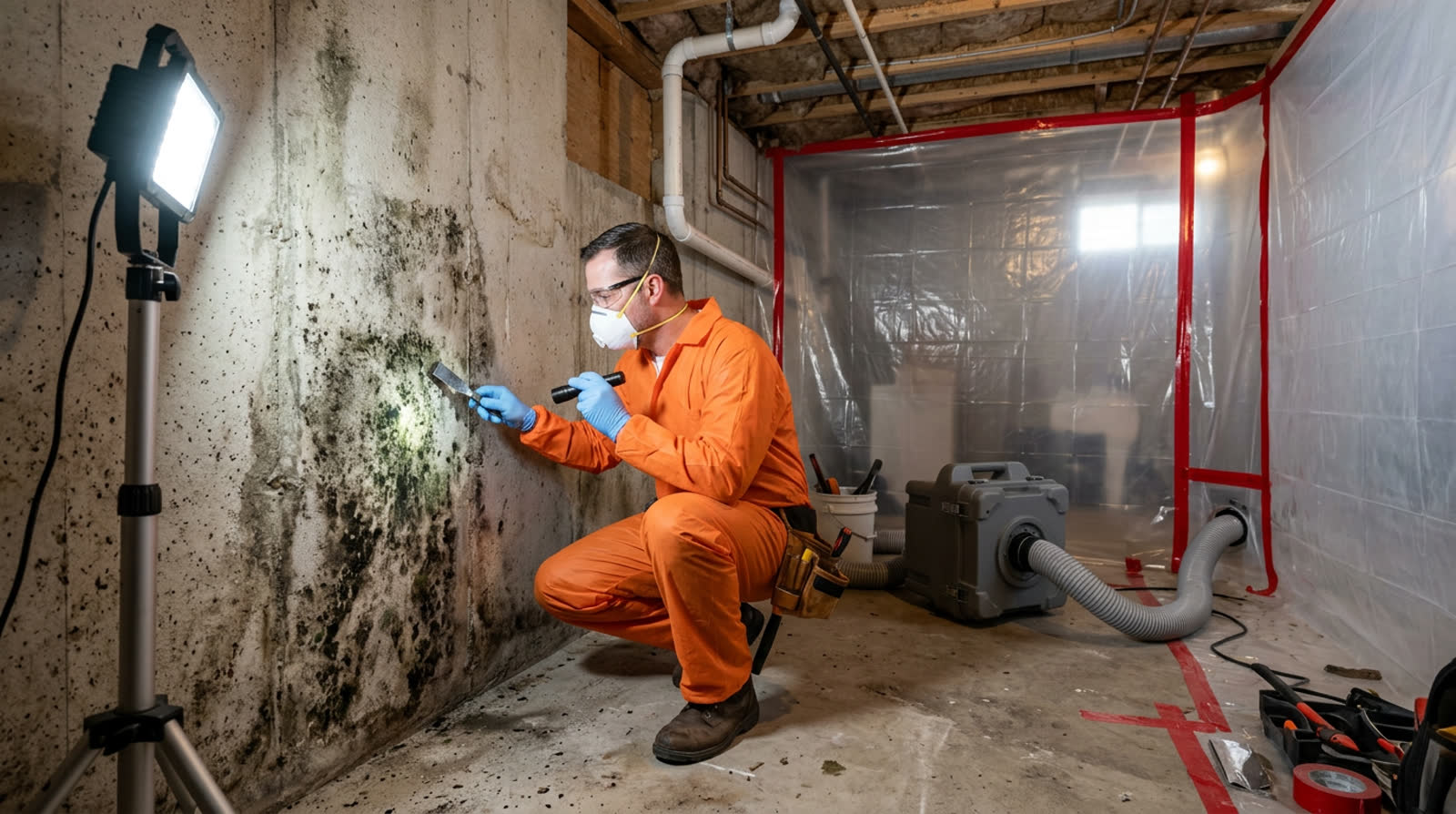
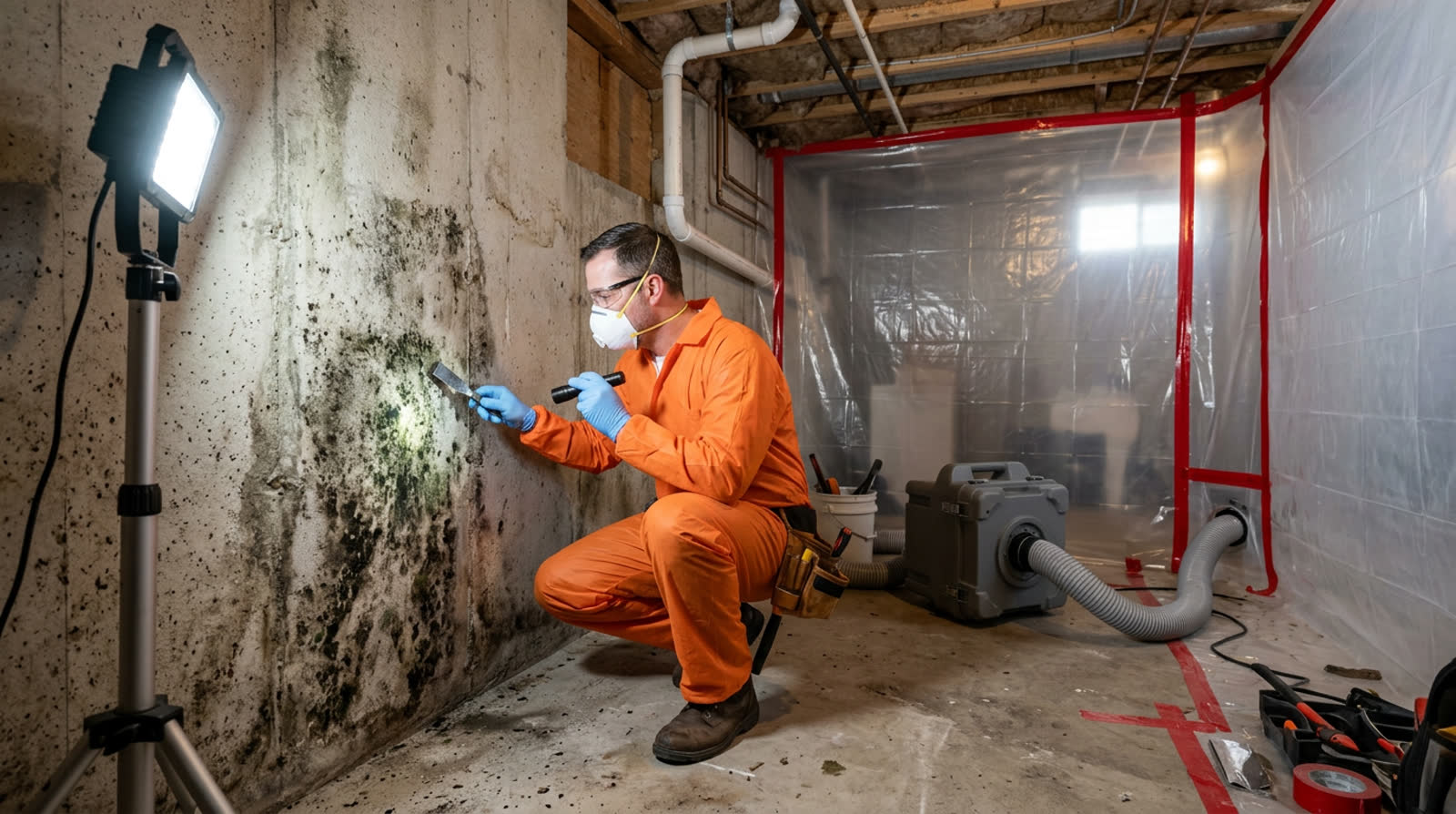
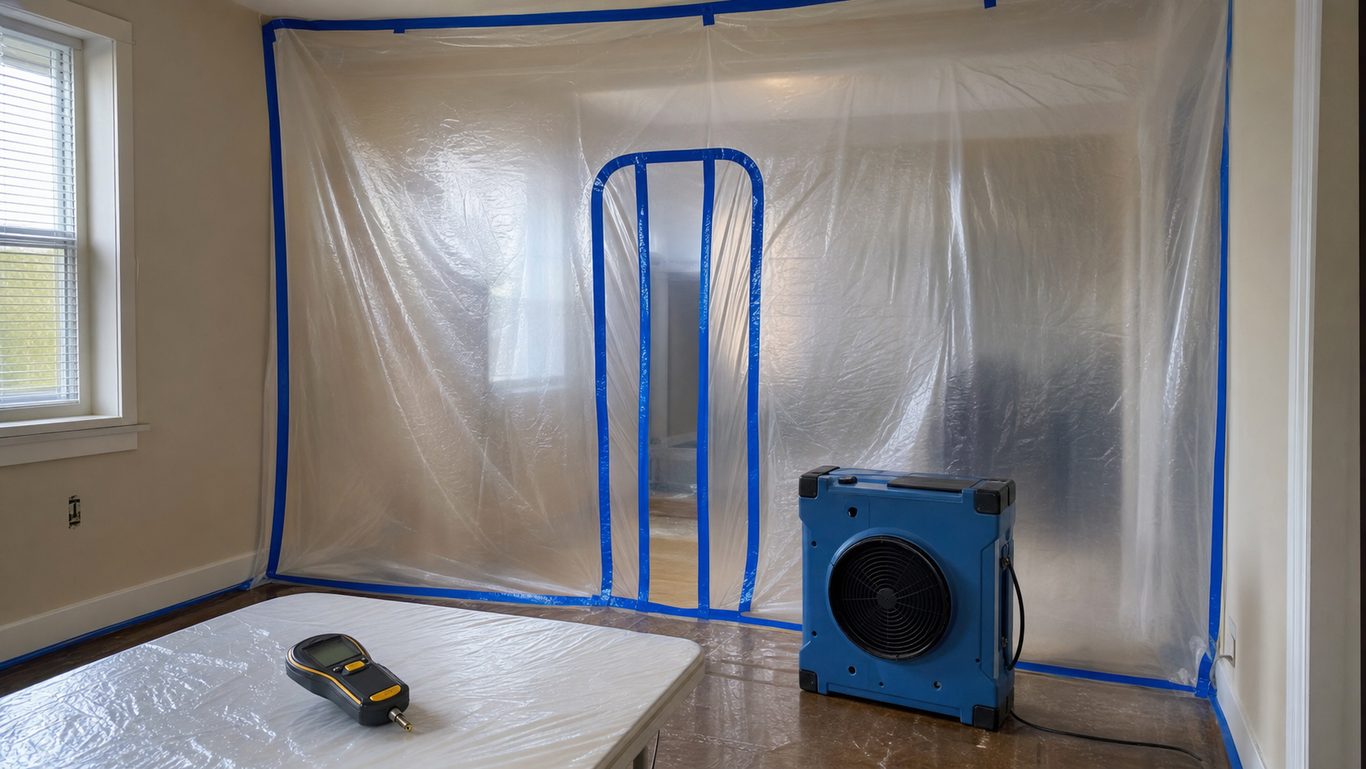
Reputable companies start with containment. They seal off contaminated areas with plastic sheeting and negative air pressure. This prevents spores from spreading to clean zones during removal. Technicians wear respirators and protective suits. They bag and dispose of contaminated materials according to EPA guidelines.
The remediation process typically includes these steps. Remove porous materials like drywall and insulation that cannot be adequately cleaned. HEPA vacuum all surfaces to remove loose spores. Apply antimicrobial treatments to framing and concrete. Dry all materials to below 16% moisture content. Install vapor barriers or improved ventilation to prevent recurrence.
Clearance testing follows remediation. An independent inspector samples air quality to verify spore counts have returned to acceptable levels. This final test protects homeowners by confirming the work was completed properly. Many insurance companies require clearance reports before considering the claim closed.
We've seen situations where new Norman homeowners attempt DIY mold cleanup to save money. Small areas under ten square feet can sometimes be cleaned with household products. Anything larger requires professional equipment and expertise. Improper cleanup spreads spores throughout the home and creates respiratory hazards.
Honest assessment matters here. If contamination covers more than 25 square feet, affects HVAC systems, or involves sewage backup, professional remediation is necessary. Some jobs simply exceed what homeowners can safely handle with basic tools and knowledge.
Document all remediation work with photos and receipts. Future buyers will want proof that mold was properly addressed. Insurance companies need documentation if you later file water damage claims. Good records also help if disputes arise over workmanship or warranty claims.
Need help now? See our full Mold Remediation service page or browse all restoration services. Don't see your city above? The full Oklahoma service area covers 27 cities.
Local context for this article: see our Norman, OK restoration page and the Mold Remediation in Norman service page.
This guide also pairs with water damage restoration that prevents mold from forming and water mitigation inside the 72-hour window.
Can I use my general home inspector for mold testing?
Many general home inspectors offer mold testing as an additional service. They collect samples and send them to certified labs for analysis. However, some buyers prefer hiring a dedicated mold inspector who specializes in moisture intrusion and fungal growth patterns. Either approach works provided the samples go to an accredited laboratory and the inspector has adequate training in sampling protocols. Verify that your inspector understands Oklahoma's requirement that inspection and remediation remain separate services when costs exceed $200.
Authoritative resources referenced
Need restoration help in Oklahoma?
24/7 dispatch, IICRC standards, direct insurance billing.