What Does Hail Damage Look Like on Edmond Homes?
Hail damage appears differently depending on what it hits. Asphalt shingles show dark spots where granules have been knocked off, exposing the underlying mat. Metal surfaces like gutters, downspouts, and HVAC units display dents. Vinyl siding cracks or shows impact points. Windows may have chips or cracks in the glass.
The severity depends on hail size and wind speed. Quarter-inch hail rarely causes problems. Golf ball sized hail (1.75 inches) commonly damages shingles and gutters. Baseball-sized hail (2.75 inches) can puncture roofing materials and shatter skylights.
We've seen entire neighborhoods in Edmond hit by the same storm where damage varies block by block. Wind direction, roof pitch, and the age of materials all affect outcomes. A ten-year-old roof with brittle shingles suffers more than a two-year-old roof from the same hailstones.
Ground clutter provides clues too. Shredded leaves, stripped bark, and dented mailboxes signal a severe event. Check your air conditioning condenser fins. If they're bent, your roof probably took hits. Walk your property completely before climbing on the roof.
Damage isn't always obvious from the ground. Bruising on shingles may not show until weeks later when thermal cycling causes the compromised areas to fail. That's why professional inspections after hail events matter, even if everything looks fine initially.
How Soon Should You Inspect Your Edmond Property After a Hail Storm?
Inspect your property within 24 to 48 hours after a hail storm passes. Early detection prevents small problems from becoming major failures. Document everything immediately while the storm event is fresh and before additional weather complicates the damage assessment.
Start with a safe ground-level inspection. Walk the perimeter of your home and outbuildings. Look at gutters, downspouts, siding, window frames, and landscaping. Check your vehicles, outdoor furniture, and any equipment left outside. Take photos from multiple angles with timestamps enabled.
If you spot obvious damage, contact your insurance company right away. Most Oklahoma homeowner policies require prompt notification. Waiting weeks or months can complicate claims, especially if another storm hits before you report the first one.
Roof inspections require caution. Wet shingles are slippery, and walking on a hail-damaged roof can cause additional harm. If you're uncomfortable climbing up, call a qualified contractor. We recently inspected a home near Covell Road in Edmond where the homeowner walked on compromised shingles and created leaks that weren't there initially.
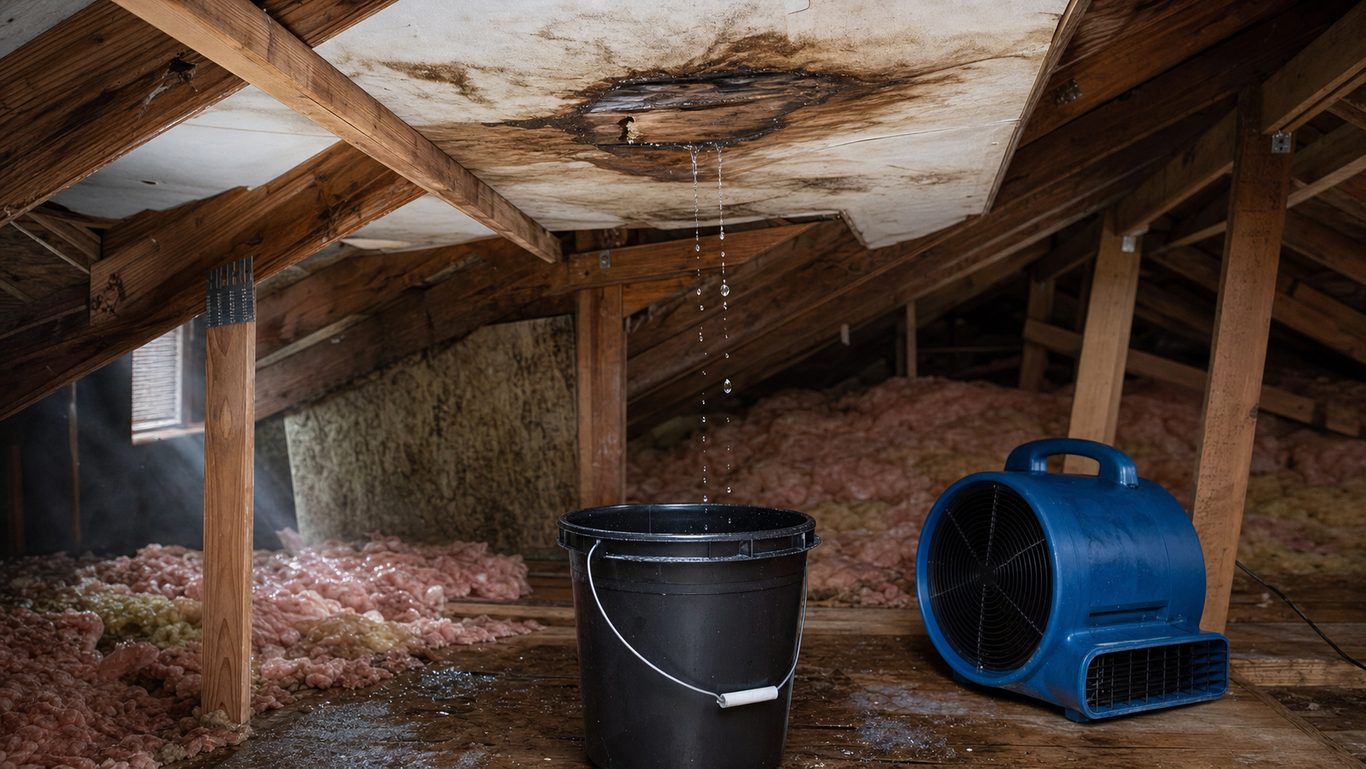
Attic inspections help too. Go up during daylight and turn off the lights. Look for pinpoints of light coming through the roof deck. Feel for wet insulation or rafters. Water stains on decking indicate penetration that needs immediate attention.
Some damage takes time to appear. Bruised shingles may not leak right away, but they've lost integrity. That's why many insurance policies give you up to a year to file claims after a covered event, though sooner is always better.
Edmond sits in a particularly active hail corridor where storms often develop rapidly along the I-35 corridor during spring and early summer. Because hail events here can cluster within days or even hours of each other, documenting which storm caused which damage becomes critical for insurance purposes. If a second storm rolls through before you've inspected and photographed your property, adjusters may dispute whether the damage came from the first event or the second. That ambiguity can delay your claim or reduce your settlement. We've worked with homeowners who lost thousands in coverage simply because they couldn't prove the timeline.
Oklahoma's intense sun and temperature swings also accelerate damage after hail impact. A small crack in a shingle might seem minor immediately after the storm, but UV exposure and 100-degree summer heat can widen that crack within days. Moisture then seeps into the decking. What could have been a straightforward shingle replacement becomes a decking repair or even insulation replacement if water reaches the attic. The sooner you catch it, the less expensive the fix.
Don't overlook less obvious areas during your initial walkthrough. Hail often dents or punctures aluminum soffit and fascia, especially on north-facing eaves where impacts hit at sharper angles. Satellite dishes, HVAC condenser fins, and vent caps are frequent casualties. We've seen condenser coils so badly dented that cooling efficiency dropped by twenty percent, driving up energy bills until the unit was repaired. Paint on wood trim can also chip from hail strikes, exposing bare wood that will rot if left untreated through Oklahoma's humid summers.
If you're filing a claim, take video in addition to still photos. Walk slowly around the entire property while narrating what you see. Mention the date, time, and storm event. Video captures context that photos sometimes miss, and it provides a timestamped record that's hard to dispute later. Keep copies on your phone and upload backups to cloud storage immediately. We've had clients lose all their documentation when a phone was damaged or misplaced during the chaos of repairs.
The Insurance Claims Process for Hail Damage in Oklahoma
Oklahoma insurance claims for hail damage follow a specific sequence. Contact your insurance company first to open a claim. They'll assign an adjuster who will schedule an inspection, typically within 5 to 10 business days depending on how widespread the storm was.
Before the adjuster arrives, complete your own documentation. Photograph all damaged areas from multiple angles. Include close-ups and wide shots. Take pictures of hail on the ground if any remains. Measure any hailstones you find. Note the date, time, and approximate duration of the storm.
The adjuster will inspect your roof, siding, gutters, and other exterior components. They'll measure damage density, check for functional vs. cosmetic issues, and compare findings to local weather data. Their report determines what the insurance company will cover.
Many Edmond homeowners find it helpful to have their own contractor present during the adjuster's visit. A qualified storm damage professional can point out damage the adjuster might miss. They speak the same technical language and understand insurance requirements.
In our experience, adjusters sometimes focus only on the most obvious damage. Hidden issues like damaged flashing, compromised valley metal, or bruised shingles without granule loss can be overlooked. Having documentation from a second inspection helps ensure complete coverage.
Once the adjuster completes their report, your insurance company will send a settlement offer. This typically includes an initial payment (actual cash value minus your deductible) and a recoverable depreciation amount paid after repairs are complete. Read the estimate carefully. It should itemize every damaged component.
If you disagree with the settlement, you can request a reinspection or hire a public adjuster. Oklahoma law allows policyholders to dispute claim amounts. Never sign a contractor agreement that requires you to accept their estimate over your insurance settlement. That's your decision alone.
Choosing a Qualified Hail Damage Contractor in Edmond
Selecting the right contractor makes the difference between a proper restoration and years of problems. Start by verifying they're registered to work in Edmond. Oklahoma doesn't have state contractor licenses, but the City of Edmond requires business registration and permits for roofing work.
Ask for local references from jobs completed in the past year. Drive by those addresses if possible. Check online reviews across multiple platforms. Look for patterns in complaints or praise. A few negative reviews happen to everyone, but repeated issues with insurance coordination or incomplete work are red flags.
Verify insurance coverage. Any contractor working on your property should carry general liability and workers' compensation insurance. Ask for certificates and confirm they're current. If a worker is injured on your property and the contractor lacks proper coverage, you could be liable.
Be wary of storm chasers who flood Edmond after major hail events. These crews often use out-of-state phone numbers, temporary addresses, and high-pressure sales tactics. They promise to waive deductibles (which violates Oklahoma insurance law) or claim they can get more money from your insurance company than locals can.
Legitimate contractors provide detailed written estimates that break down materials, labor, and disposal costs. They explain the scope of work in plain language. They don't pressure you to sign same-day contracts or demand large upfront deposits.
We won't work on certain roofs, and that honesty matters. If a roof is 25 years old and near the end of its service life, hail damage might be the smaller problem. Sometimes a full replacement makes more sense than patching storm damage on failing materials. A good contractor tells you the truth even if it means a smaller job.
Check that the contractor pulls proper permits. Edmond requires permits for roofing projects. Working without them can void warranties and create problems if you sell your home later. The permit process ensures inspections happen at critical stages.
What Repairs Does Hail Damage Restoration Include?
Full hail restoration addresses every affected component. Roofing repairs or replacement come first since they prevent water intrusion. Depending on damage severity, this might mean replacing all shingles, underlayment, drip edge, and damaged decking. Valley metal and flashing get replaced if dented or compromised.
Typical hail restoration components include:
- Complete roof replacement or targeted shingle repairs
- Damaged decking and underlayment replacement
- New gutters and downspouts if dented
- Vinyl siding replacement on impacted sections
- Window and skylight repairs or replacement
- HVAC unit condenser fin straightening or replacement
- Exterior trim and soffit repairs
- Paint touch-up on damaged wood surfaces
Gutters often need complete replacement after severe hail. Dented gutters don't drain properly. Water pools and overflows, potentially damaging fascia boards and causing foundation issues. We've seen homeowners in Norman and Edmond skip gutter replacement to save money, only to face water damage repair costs that far exceeded what new gutters would have cost.
Siding damage varies by material. Vinyl cracks and needs panel replacement. Wood siding may require individual board replacement and repainting. Fiber cement siding can crack but often withstands hail better than vinyl. Metal siding dents but rarely fails structurally.
Windows and skylights need immediate attention if cracked. Even small chips can allow water penetration. Temporary protection might be necessary while waiting for replacement glass. Plastic sheeting and plywood protect interiors until permanent repairs happen.
Ventilation components like ridge vents, soffit vents, and gable vents can be damaged by large hail. These aren't always obvious but they're critical for attic ventilation. Poor ventilation leads to moisture buildup, mold growth, and premature shingle failure.
Some contractors skip these details. They replace shingles but leave damaged flashing or vents. Six months later, leaks develop and the homeowner doesn't understand why their new roof isn't working. Complete restoration means addressing every compromised component.
Preventing Secondary Damage After Hail Hits Your Edmond Home
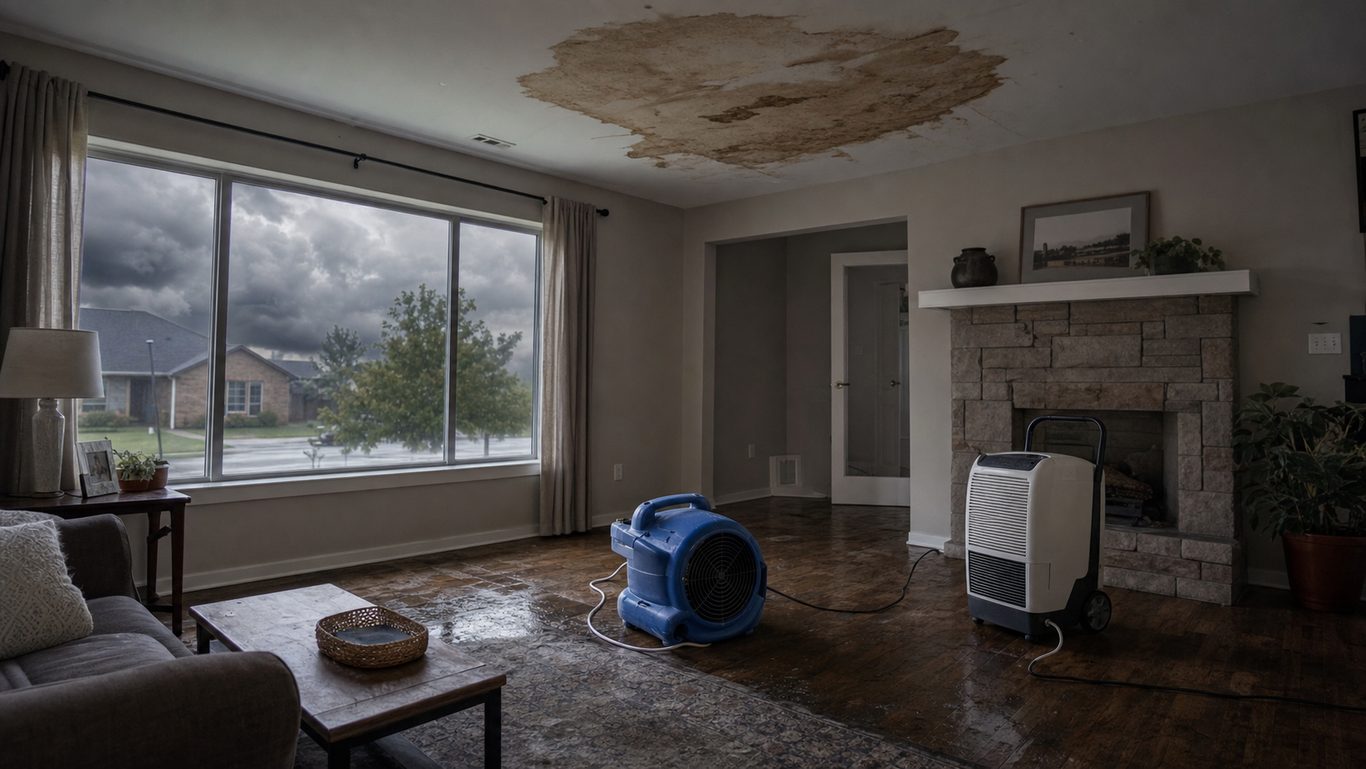
The period between storm damage and completed repairs creates vulnerability. Rain, wind, and temperature swings can turn minor damage into major problems. Taking immediate protective steps prevents secondary issues that insurance might not cover.
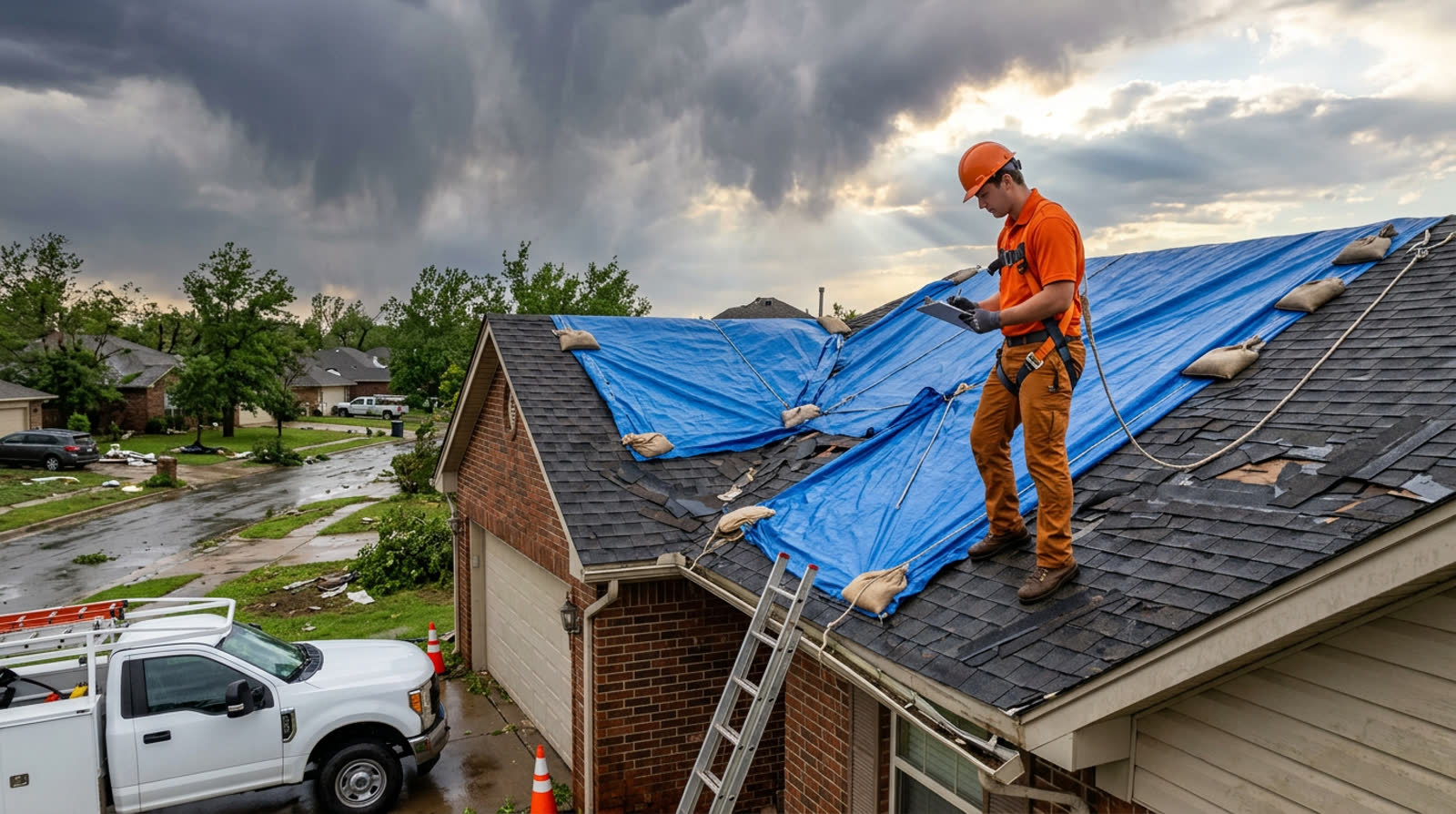
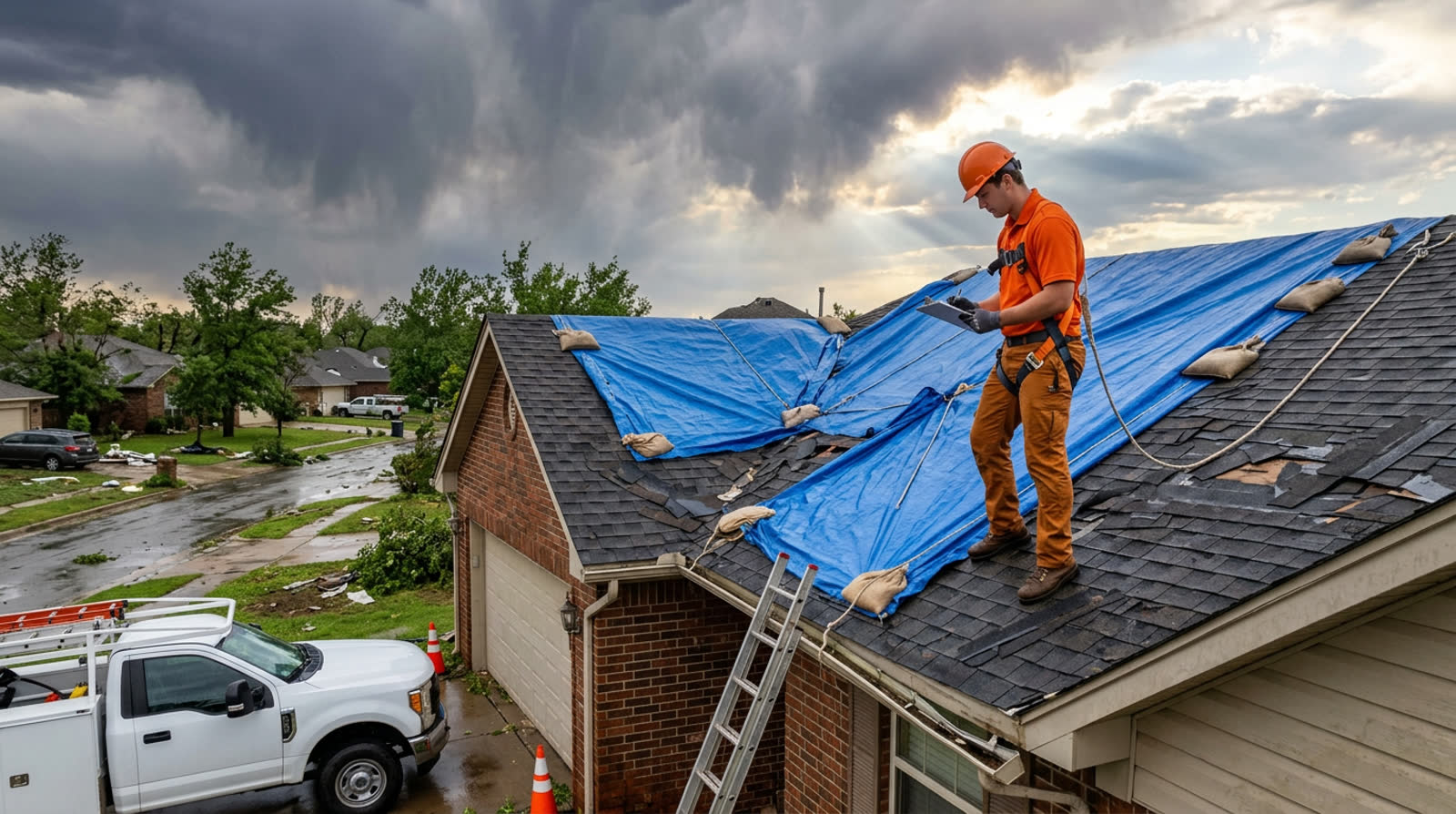
Temporary roof protection is the priority. If shingles are missing or punctured, water will enter during the next rain. Tarping isn't simple. Tarps must extend over the ridge and be properly secured without creating additional damage points. Poorly installed tarps flap in wind, tear off, or trap moisture underneath.
We carry heavy-duty tarps designed for roof protection. They include reinforced grommets and proper fastening systems. But even professional tarping has limits. It's a temporary measure, not a long-term solution. Tarps left in place for months deteriorate and can damage the roof further.
Clear debris from gutters and downspouts immediately. Hail often knocks leaves, branches, and granules into drainage systems. Clogged gutters overflow, sending water into soffits and wall cavities. A quick gutter cleaning after a storm prevents problems that take weeks to manifest.
Check your attic after every rain until repairs are complete. New leaks can develop as damaged areas shift or deteriorate. Catching them early limits interior damage. Place buckets under active leaks and document them with photos for your insurance company.
Exterior openings need attention too. Broken windows, damaged siding seams, and compromised flashing all create entry points for water and pests. Temporary patches using construction plastic and waterproof tape provide short-term protection. These aren't pretty, but they work until permanent repairs happen.
Don't delay repairs longer than necessary. Some homeowners wait months to schedule work, thinking minor damage can wait. Oklahoma weather doesn't cooperate. A small roof bruise that might last years in a dry climate can fail in weeks here when exposed to our temperature swings and frequent rain.
Insurance companies expect reasonable mitigation efforts. If you let minor damage become major because you didn't protect the property, they can reduce your claim payment. Document all temporary protective measures you take. Keep receipts for materials. This shows good faith and may be reimbursable.
Need help now? See our full Storm Damage Restoration service page or browse all restoration services. Don't see your city above? The full Oklahoma service area covers 27 cities.
Local context for this article: see our Edmond, OK restoration page and the Storm Damage Restoration in Edmond service page.
This guide also pairs with water damage restoration for any rain intrusion and water mitigation for active leaks after the storm.
Does homeowners insurance cover all hail damage in Edmond?
Most Oklahoma homeowners policies cover hail damage to roofs, siding, windows, and other exterior components, but coverage details vary by policy. Cosmetic damage to items like gutters or siding may have limited coverage. Your deductible applies to the total claim, not individual items. Some policies exclude coverage if the roof was nearing the end of its expected lifespan. Review your specific policy declarations page or contact your agent to understand your coverage limits, deductibles, and any exclusions that might apply to storm damage claims.
Authoritative resources referenced
Need restoration help in Oklahoma?
24/7 dispatch, IICRC standards, direct insurance billing.