What Should You Do Immediately After Floodwater Enters Your Tulsa Home?
Turn off electricity at the breaker box if you can do so safely from dry ground. Do not enter standing water if power is still on. Call your utility company if you cannot safely access the panel. Once power is confirmed off, document the damage with photos and video before moving anything.
Contact your insurance company as soon as possible. Most policies require prompt notification. Ask about emergency mitigation coverage, which often pays for immediate water extraction and drying even before the full claim is approved. Save all receipts for any emergency work or temporary lodging.
Remove portable items from wet areas if you can do so safely. Books, electronics, important documents, and anything that will worsen with continued water contact should be moved to dry space. Do not attempt to remove water-damaged drywall or flooring yourself until a professional assesses structural safety.
We've seen homeowners in Tulsa rush into cleanup without checking for hazards. Floodwater often contains sewage, chemicals, or debris that require protective equipment. Standing water can also hide damaged flooring or foundation cracks. Professional storm damage teams carry meters to test for electrical current in standing water before entry.
How Tulsa's Climate and Soil Affect Flood Cleanup Timelines
Oklahoma's spring and early summer humidity slows evaporation, which extends drying time for flooded homes. A basement that might dry in three days in Arizona could take five or six days here. High dew points mean the air already holds moisture, so dehumidifiers must run longer to pull water from materials.
Tulsa sits on clay-heavy soil that drains poorly. After heavy rain, groundwater often remains high for days. This keeps concrete slabs and crawlspace floors damp from below, even after surface water is removed. Vapor barriers and sub-slab drying equipment become necessary in many flood jobs.
The Arkansas River and its tributaries create additional flood risk in Tulsa's older neighborhoods. Homes near Mingo Creek, Joe Creek, or the river itself see repeated flooding during severe storm seasons. These properties may need sump pumps, French drains, or exterior grading changes after cleanup to prevent future events.
Tornado season overlaps with flood season here. A single storm system can drop 4-6 inches of rain in a few hours, overwhelming storm drains and causing flash flooding. We recently worked on a home near 51st and Yale where stormwater backed up through the foundation drains, flooding the finished basement with three feet of water in under an hour.
Water Extraction Methods and Equipment for Flood Cleanup
Truck-mounted extractors remove standing water faster than any shop vacuum. These units generate powerful suction and pump hundreds of gallons per hour directly into a waste tank or street drain. For homes with more than an inch of standing water, this equipment cuts extraction time from hours to minutes.
Submersible pumps handle deeper flooding in basements and crawlspaces. We use pumps rated for solids, since floodwater often carries mud, leaves, and debris. The pump sits in the lowest point while hoses route water outside. Clay-laden water clogs standard pumps quickly, so we clean intake screens every 20-30 minutes during heavy extraction.
Weighted extraction tools pull water from carpet and padding after the standing water is gone. These wands apply pressure while vacuuming, forcing trapped water up from the pad into the recovery tank. Carpet padding almost always requires removal after flooding, but extracting first reduces the weight and mess during tear-out.
Hardwood floors need special attention. Cupped or buckled wood may flatten as it dries if water is removed quickly. We use mat systems that create suction across the entire floor surface, pulling moisture from between boards. This only works if we start within 24-48 hours. After that, the wood often needs replacement.
Drywall wicks water upward through capillary action. A floor flood can saturate drywall 18-24 inches high. We use moisture meters to map the wet areas and cut away damaged sections. Leaving wet drywall in place guarantees mold growth within 48-72 hours, especially in Tulsa's climate.
Drying and Dehumidification in Oklahoma's Humid Environment
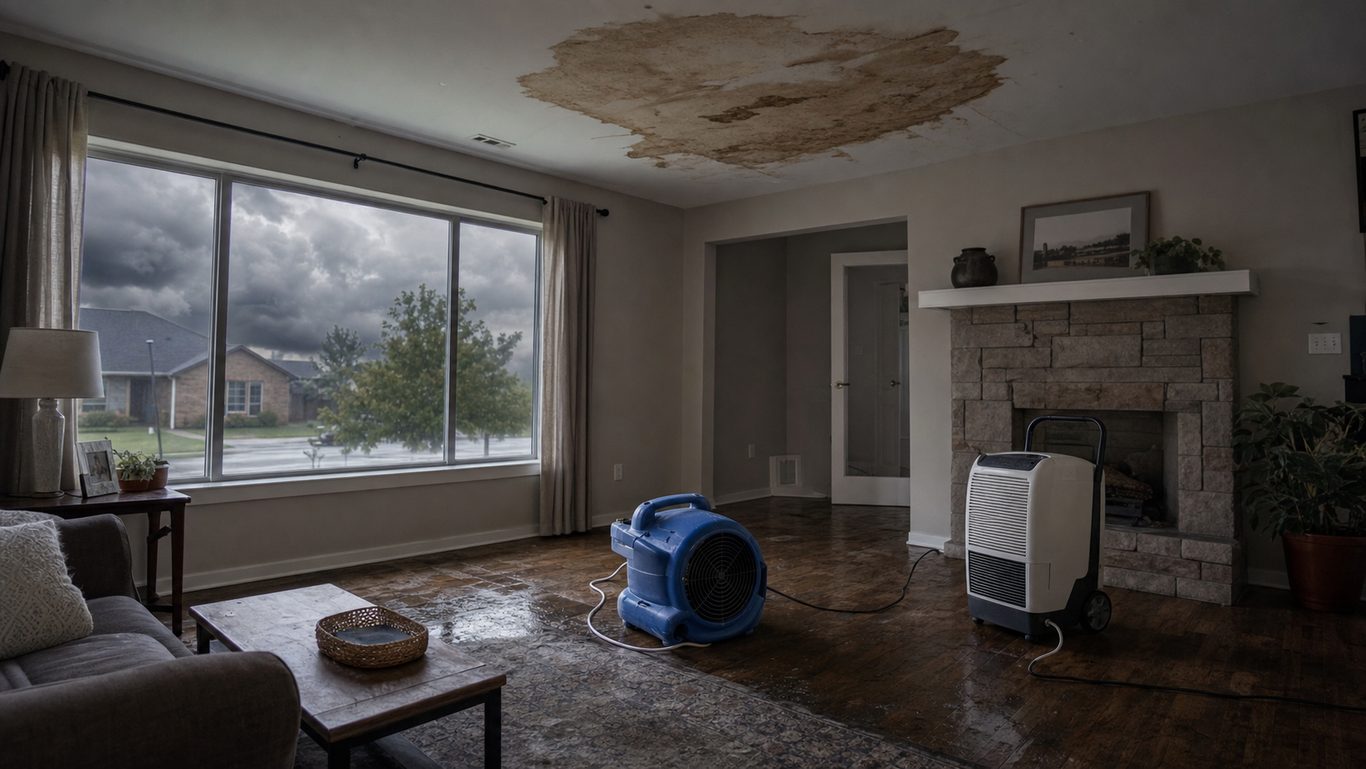
Air movers create airflow across wet surfaces, speeding evaporation. We position these fans to create a circular pattern through affected rooms, ensuring every surface gets direct airflow. The goal is to evaporate moisture into the air, where dehumidifiers can capture it. Running air movers without dehumidifiers just moves the problem around.
Refrigerant dehumidifiers work best in Oklahoma's warm-season floods. These units cool incoming air below its dew point, condensing moisture onto coils and draining it into a tank or hose. A single commercial unit can pull 20-30 gallons per day from the air. We typically run 1-2 dehumidifiers per affected room, depending on the size and saturation level.
Desiccant dehumidifiers handle cold-weather floods better. If a pipe bursts during an ice storm and the home loses heat, refrigerant units lose efficiency below 60 degrees. Desiccant units use chemical attraction to pull moisture regardless of temperature. They're louder and draw more power, but they work when refrigerant models cannot.
Monitoring happens twice daily. We measure moisture content in drywall, framing, and flooring with pin and pinless meters. Readings above 15-17 percent indicate materials are still too wet. Drying continues until all readings drop into the normal range (typically under 12 percent for wood, under 1 percent for concrete).
Containment barriers keep humidity from spreading to unaffected areas. Plastic sheeting and zippered doors seal off wet rooms. This concentrates the dehumidification effort and prevents secondary damage in dry parts of the house. We've seen entire upstairs areas develop mold because humid air migrated from a flooded basement.
When Flood Cleanup Requires Demolition and Removal
Carpet padding never survives a flood. It holds water like a sponge, breaks down quickly, and develops odor within hours. We remove all padding from flooded areas. The carpet itself may be salvageable if the water was clean and extraction happens within 24 hours, but padding always goes.
Drywall removal depends on water source and saturation height. Clean water from a supply line may only require cutting away the bottom 12-24 inches. Floodwater containing sewage, mud, or outdoor contaminants usually means removing drywall up to at least 12 inches above the visible water line. The paper facing on drywall absorbs contamination and cannot be fully cleaned.
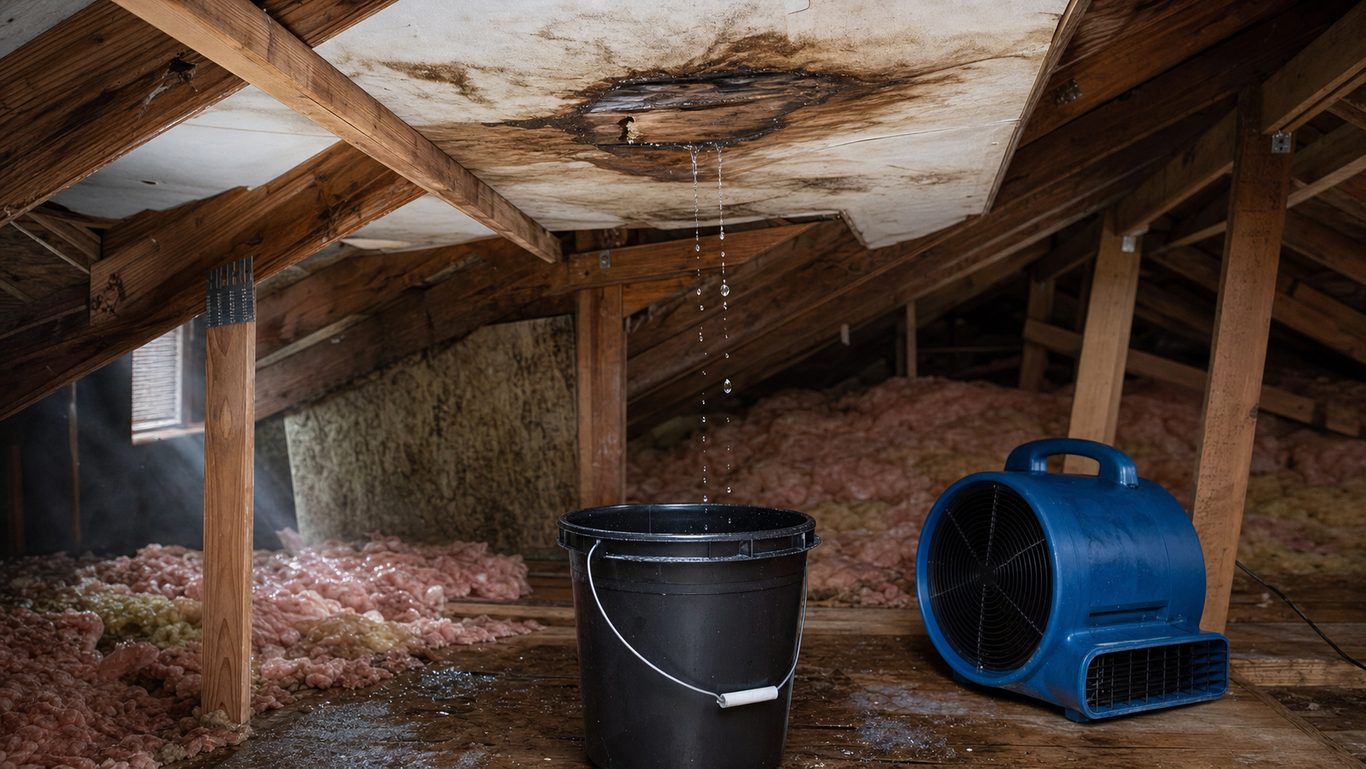
Insulation removal is necessary if it contacted floodwater. Fiberglass batts compress when wet, lose R-value, and stay damp for weeks inside wall cavities. Wet insulation also adds weight to drywall, increasing the risk of sagging or collapse. We remove wet insulation during the drying process, not after.
Baseboards and trim come off to allow airflow behind them and to expose the bottom plate of the wall. This wood framing member sits directly on the subfloor and absorbs water readily. If we don't expose and dry it, mold grows in the wall cavity where you cannot see it.
Wood subfloors may need removal if swelling or delamination occurs. Oriented strand board (OSB) subfloors common in Broken Arrow and newer Tulsa homes swell badly when flooded. Plywood holds up better but still suffers if water sits for more than a day. We make removal decisions after monitoring how the material responds to drying.
In our experience, homeowners often want to save materials that cannot be salvaged. We understand the desire to reduce costs, but we cannot cut corners on contaminated or structurally compromised materials. If we leave wet framing or drywall in place, you'll pay twice: once for inadequate cleanup and again for mold remediation a month later.
Sanitization and Contamination Control After Tulsa Floods
Floodwater classification determines cleaning requirements. Category 1 (clean water from supply lines) requires basic cleaning. Category 2 (gray water from appliances or storm runoff) needs antimicrobial treatment. Category 3 (black water containing sewage or river water) demands thorough disinfection and often material removal.
Antimicrobial agents kill bacteria, viruses, and mold spores on surfaces that cannot be removed. We apply these solutions to framing, concrete, and any other materials remaining after demolition. The products need dwell time to work, typically 10-15 minutes of wet contact before drying or rinsing.
HEPA air scrubbers filter airborne particles during demolition and drying. Tearing out wet drywall and insulation releases dust, mold spores, and dried contaminants into the air. These machines filter particles down to 0.3 microns, protecting both workers and the unaffected parts of your home.
Odor control often requires hydroxyl generators or ozone machines after contents are removed. Floodwater leaves a distinctive smell that persists even after cleaning. These machines generate molecules that break down odor-causing compounds at the molecular level. Ozone requires the home to be vacant during treatment, while hydroxyl is safe for occupied spaces.
We cannot always save hardwood floors in sewage-contaminated floods. The gaps between boards trap contamination that cannot be reached by surface cleaning. If the flood involved Category 3 water and the wood absorbed it, replacement is often the only safe option. This is one limitation we're honest about upfront, even though no homeowner wants to hear it.
Personal protective equipment is required for all Category 2 and 3 water cleanup. Our crews wear gloves, boots, and respiratory protection rated for the contamination level. Homeowners should not handle contaminated materials without proper equipment. Floodwater carries pathogens that cause serious illness through skin contact or inhalation.
Insurance Claims and Documentation for Storm Flood Damage
Take photos and video before any cleanup begins. Document water lines on walls, standing water depth, and all damaged belongings. Insurance adjusters need this evidence to process your claim accurately. Once you start moving things or extracting water, you lose the ability to prove the extent of damage.
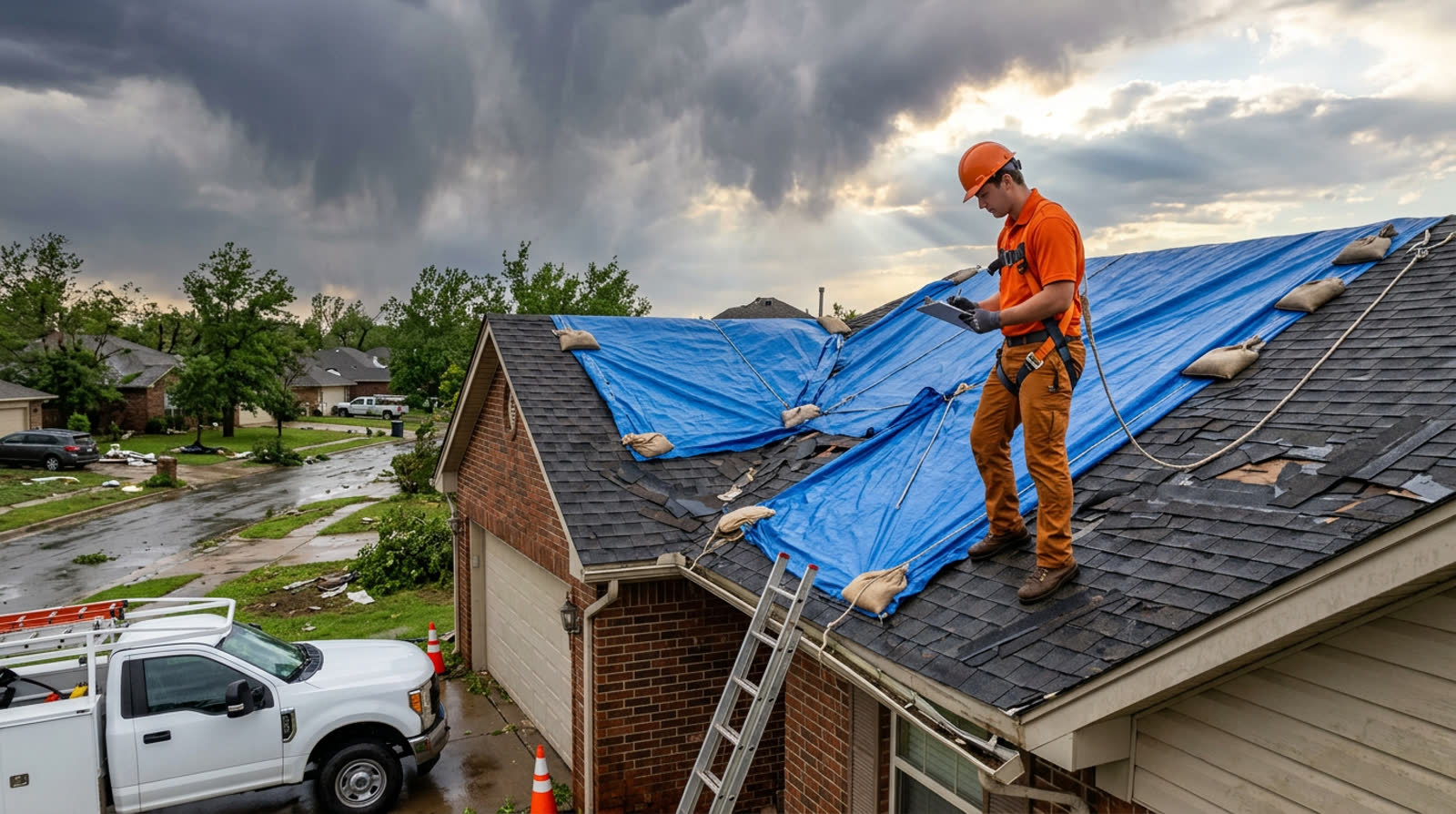
Emergency mitigation is usually covered even before the adjuster visits. Most Oklahoma homeowner policies include provisions for immediate action to prevent further damage. This covers water extraction, dehumidification, and emergency board-up. Save all invoices and get written estimates before work begins.
Flood insurance is separate from homeowner's insurance. Standard homeowner policies exclude flooding from external sources like rivers, creeks, or storm drainage. If your damage came from water entering through doors, windows, or foundation cracks due to ground saturation, you may need flood insurance to cover it. This catches many Norman and Tulsa homeowners by surprise.
Actual cash value versus replacement cost affects your payout. ACV policies depreciate damaged items based on age. Replacement cost pays to replace items with new equivalents. A ten-year-old carpet might receive $200 under ACV but $2,000 under replacement cost. Check your policy declarations page to understand which coverage you have.
Contents inventories take time but increase claim payouts significantly. List every damaged item with approximate age and purchase price. Include clothing, pantry items, linens, and small electronics that are easy to overlook. Adjusters cannot pay for items you don't list.
Professional estimates help justify repair costs. An itemized estimate from a restoration company like Statewide Restoration provides the backup your adjuster needs to approve the claim. We document moisture readings, affected areas, and required repairs in a format insurance companies recognize and accept.
Need help now? See our full Storm Damage Restoration service page or browse all restoration services. Don't see your city above? The full Oklahoma service area covers 27 cities.
Local context for this article: see our Tulsa, OK restoration page and the Storm Damage Restoration in Tulsa service page.
This guide also pairs with water damage restoration for any rain intrusion and water mitigation for active leaks after the storm.
How long does flood damage cleanup take in a typical Tulsa home?
Most residential flood cleanup takes 3-7 days depending on water depth, affected square footage, and material types. Extraction and demolition usually finish in 1-2 days. Drying takes 3-5 days in Oklahoma's humid climate. Sewage contamination or extensive saturation may extend the timeline. We monitor moisture levels daily and cannot rush the drying process without risking mold growth. Reconstruction scheduling depends on your contractor and insurance approval, but the emergency mitigation phase typically wraps up within a week.
Authoritative resources referenced
Need restoration help in Oklahoma?
24/7 dispatch, IICRC standards, direct insurance billing.