What Situations Require Emergency Board-Up Services?
Emergency board-up becomes necessary when openings in your home's exterior compromise security or allow weather inside. Broken windows from hail or tornadic winds, doors damaged by falling trees, and roof sections torn away during severe storms all create urgent vulnerabilities. Fire damage often leaves window glass shattered from heat and door frames weakened or burned through.
In our experience working across Oklahoma City, the most common scenarios include tornado damage during spring storm season, straight-line wind events that snap tree limbs into windows, and structure fires that compromise multiple entry points. We recently secured a home near Lake Hefner where a microburst shattered four south-facing windows and damaged the sliding patio door. Without immediate board-up, rain would have soaked carpet and drywall throughout the main level.
Vehicle accidents that send cars through garage doors or exterior walls also require immediate securing. Break-ins that damage doors or windows need board-up service to prevent repeat incidents. Any time your home's envelope is breached and you cannot make permanent repairs immediately, temporary board-up protects your property and reduces liability if someone enters through the damaged area.
Insurance adjusters expect property owners to mitigate damage after a loss. Leaving openings unsecured can result in denied claims for subsequent water damage, theft, or vandalism. Board-up services document that you took reasonable steps to protect the property while awaiting permanent repairs.
How Professional Board-Up Services Protect Your Property
Professional board-up goes beyond nailing random plywood over broken windows. Proper installation uses exterior-grade plywood or OSB cut to fit each opening, secured with appropriate fasteners that won't further damage framing or siding. The goal is weather-tight protection that withstands additional wind and rain without creating new problems.
We measure each opening accurately and cut boards to overlap the damaged area by several inches on all sides. For windows, we secure panels to the exterior window trim or directly to studs if trim is damaged. This distributes load across solid framing rather than relying on weakened materials. Door openings receive reinforced panels with additional bracing to prevent forced entry.
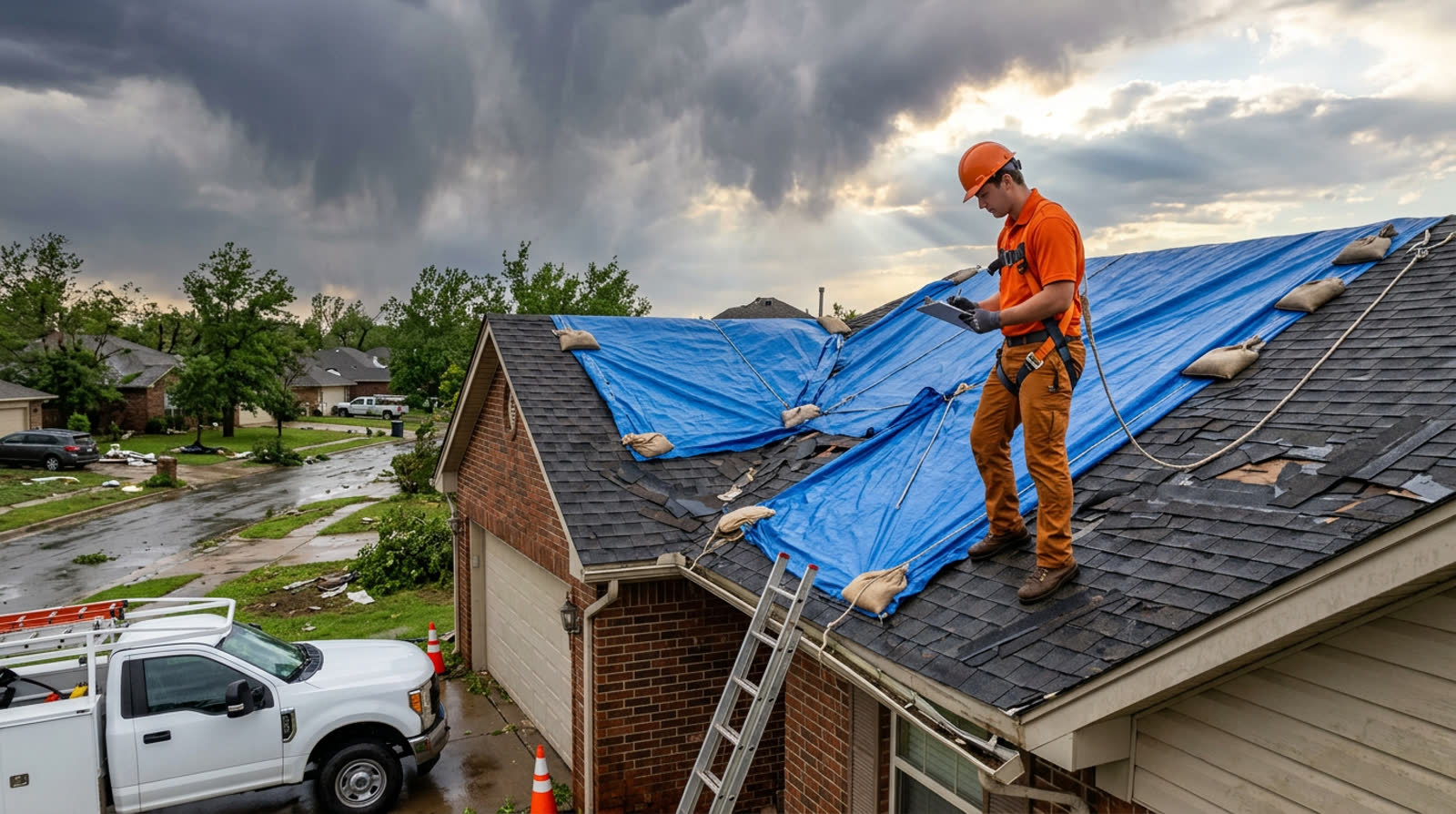
Roof openings present unique challenges. Small holes get covered with tarps secured to undamaged decking. Larger sections may require plywood panels screwed directly to roof trusses or rafters, then covered with waterproof membrane. We avoid creating additional penetrations that could leak later.
Quality board-up service includes documentation with photographs showing the extent of damage before securing and the completed protection measures. This photo record supports your insurance claim and verifies that proper mitigation occurred. We provide written descriptions of materials used and areas secured for your adjuster.
Professional service also means understanding what not to do. We don't board up functional windows just because nearby ones broke. We don't use fasteners that will damage brick veneer or split wood trim unnecessarily. We identify situations where boarding might trap moisture or prevent necessary ventilation in fire-damaged structures. Sometimes temporary barriers other than solid plywood work better for specific damage patterns.
Materials and Methods for Temporary Structure Securing
The right materials make the difference between effective protection and wasted effort. Exterior-grade plywood in 1/2-inch or 5/8-inch thickness provides adequate strength for most residential applications. OSB (oriented strand board) costs less and works well for short-term protection, though it doesn't hold up as long in wet conditions if permanent repairs get delayed.
We stock both materials on our service vehicles. For standard window openings, 1/2-inch plywood suffices. Larger openings like patio doors or picture windows require 5/8-inch material for adequate rigidity. Small windows sometimes get protected with pre-cut panels we keep in common sizes to speed response.
Fastener selection matters as much as panel choice. We use galvanized deck screws for most applications because they hold better than nails, don't loosen from vibration, and remove cleanly later without damaging surrounding materials. Masonry anchors secure boards to brick or concrete block. For vinyl or aluminum siding, we carefully remove damaged sections to access solid framing underneath rather than screwing through thin siding that won't hold.
Weather barriers like roofing felt or polyethylene sheeting go under panels when water intrusion is likely. This creates a drainage plane that sheds water away from the building envelope. For roof damage, we use heavy tarp material rated for outdoor exposure, secured with battens screwed through to solid decking.
Hardware cloth or expanded metal sometimes reinforces boards over especially vulnerable openings like basement windows or commercial storefronts. The metal layer adds cut resistance and impact protection beyond what wood alone provides.
Every fastener placement considers what happens during removal. We avoid screwing into window frames that will be salvaged or door jambs that permanent replacements will reuse. Strategic placement means the structure is just as repairable after temporary protection comes down.
What Does Emergency Board-Up Service Cost in Oklahoma City?
Board-up costs vary based on the number of openings, their size, access difficulty, and timing. Industry data suggests residential board-up typically ranges from $200 to $800 for a standard Oklahoma City home with two to four damaged windows. Larger projects involving multiple doors, picture windows, or roof sections can reach $1,500 to $3,000.
Individual window board-up usually costs $75 to $150 per opening for standard sizes. Sliding doors and large picture windows run $200 to $400 each due to material requirements and structural considerations. Roof tarping and securing costs $500 to $1,200 depending on damage extent and roof access challenges.
After-hours service, which often becomes necessary following evening storms, typically adds 25% to 50% to base rates. Projects requiring tall ladders or special equipment like boom lifts for upper-story access increase costs due to equipment rental and additional labor time. Multi-story buildings or structures with complicated rooflines take longer to secure properly.
Most homeowners insurance policies cover emergency board-up as part of the covered loss. Your policy's dwelling coverage typically includes reasonable costs to protect the property from further damage after a storm or fire. Save all receipts and documentation. Some policies require pre-approval for amounts above certain thresholds, though true emergencies usually receive retroactive approval.
Getting quotes from multiple providers makes sense for large projects, but don't delay securing critical openings to save $100. Every hour of exposure risks additional damage that costs far more than premium emergency service rates. We've seen homeowners try to save money by waiting until morning for standard rates, only to experience overnight rain that caused thousands in additional water damage to flooring and contents.
Insurance Coverage for Emergency Board-Up and Temporary Protection
Homeowners insurance policies generally cover emergency board-up under the additional living expenses or loss mitigation provisions. Your insurer wants you to protect the property from further damage after a covered event. Board-up services fall under this duty to mitigate.
File your claim immediately after damage occurs but before arranging board-up if possible. Many insurers have preferred vendor networks that provide 24-hour emergency response. Using a preferred vendor may streamline approval, though you're usually not required to use their contractors. Contact your agent or the claims hotline to report the loss and ask about board-up authorization.
If the situation requires immediate action and you cannot reach your insurer, proceed with necessary board-up and document everything. Take photos before work begins, during installation, and after completion. Keep all receipts and get a detailed written estimate or invoice showing materials, labor, and exactly what was secured. Most policies will reimburse reasonable emergency mitigation costs even without pre-approval.
Document the damage that made board-up necessary. Photos should clearly show broken glass, damaged doors, or roof openings. This evidence supports your claim and demonstrates why emergency service was required. Written notes about timing, weather conditions, and who performed the work help if questions arise during claims processing.
Some policies have sub-limits for temporary repairs or emergency services. Review your policy or ask your agent about specific coverage amounts. Standard homeowners policies typically cover reasonable mitigation costs without question, but high-value homes or unusual situations may need additional discussion with your adjuster.
Understand that board-up costs are separate from the actual repair expenses. Your deductible applies to the total loss, not to emergency mitigation services. A $500 board-up and $8,000 in repairs mean you pay the deductible once against the combined $8,500 claim, not twice.
Keep board-up protection in place until permanent repairs begin. If delays stretch weeks or months, maintain the temporary barriers. Insurance covers this extended protection as long as the original damage remains unrepaired. Removing boards prematurely and allowing new damage could jeopardize coverage for the subsequent loss.
When to Call Professionals vs. DIY Board-Up Solutions
Simple ground-floor window damage with readily available materials might be manageable for handy homeowners. A single broken window, a sheet of plywood from the hardware store, and basic tools can create adequate temporary protection if you know what you're doing. Small projects save money and provide immediate security if you act quickly.
Call professionals for second-story damage, multiple openings, roof breaches, or situations requiring ladders taller than you're comfortable using. Working at height after a stressful event creates accident risks that outweigh any savings. We regularly see DIY attempts that resulted in falls, additional property damage from improper fastening, or inadequate protection that allowed further water intrusion.
Fire damage requires professional assessment before board-up. Weakened framing, compromised structural members, and hidden heat damage make DIY board-up dangerous. You don't know which studs remain sound enough to hold fasteners or whether the wall assembly will support your weight on a ladder. Fire also creates toxic residue that requires proper PPE during any work in the damaged area.
Extensive storm damage across Oklahoma often means hardware stores sell out of plywood within hours. Professionals maintain material inventory specifically for emergency response. If you can't source appropriate materials quickly, waiting for stores to restock leaves your home vulnerable for days. Professional services have the supplies ready to deploy immediately.
Insurance considerations also favor professional service. Documented professional work provides clear evidence of timely mitigation for your claim. DIY efforts may raise adjuster questions about adequacy, timing, or whether the work created additional damage. The cost difference between DIY and professional service often disappears when insurance covers the professional work as part of your claim.
Safety matters more than savings. If you have any doubt about your ability to safely secure damage, especially anything above ground level or involving structural compromise, hire professionals. The few hundred dollars for proper board-up service prevents injuries that could cost thousands in medical bills and lost work time.
Oklahoma City Storm Patterns and Board-Up Preparedness
Oklahoma City sits in the heart of tornado alley with distinct seasonal storm threats. Spring brings tornadic supercells and large hail from March through June. Summer produces damaging straight-line winds and intense microbursts. Fall occasionally delivers early ice storms, and winter brings rare but devastating ice events that snap trees into homes.
The red clay soil common around Oklahoma City expands and contracts with moisture changes, sometimes creating foundation movement that stresses window frames and makes them more vulnerable to wind damage. Older homes in neighborhoods like Nichols Hills, Crown Heights, and Heritage Hills often have original single-pane windows that shatter easily during hail events.
Tornado sirens provide warning, but damaging winds often develop with little notice. Straight-line winds exceeding 70 mph can break windows and damage doors even without tornado touchdown. The May 2024 derecho that moved through central Oklahoma demonstrated how quickly non-tornadic winds create widespread damage requiring emergency board-up across entire neighborhoods.
We keep emergency response capability ready during severe weather outbreaks. Our trucks stay stocked with plywood, tarps, fasteners, and tools throughout storm season. Customers tell us that rapid response makes the difference between minor water intrusion and major interior damage when afternoon storms hit suddenly.
Preparing before storm season helps if you need to handle initial board-up yourself. Keep a few sheets of 1/2-inch exterior plywood, a drill, deck screws, and measurements of your main-floor windows. This emergency kit lets you temporarily secure broken windows immediately after damage, even if professional crews are overwhelmed with calls and can't reach you for hours or days.
Know how to shut off utilities if major structural damage occurs. Gas leaks and electrical hazards complicate board-up work and create dangers during initial damage assessment. The main gas shutoff and electrical panel locations should be familiar to everyone in your household.
After major events like the 2013 Moore tornado, demand for board-up services overwhelms local capacity for days. Crews come from surrounding states to help, but initial response focuses on the most critical situations. Understanding this reality helps you make informed decisions about DIY temporary measures versus waiting for professional service.
Need help now? See our full Storm Damage Restoration service page or browse all restoration services. Don't see your city above? The full Oklahoma service area covers 27 cities.
Local context for this article: see our Oklahoma City, OK restoration page and the Storm Damage Restoration in Oklahoma City service page.
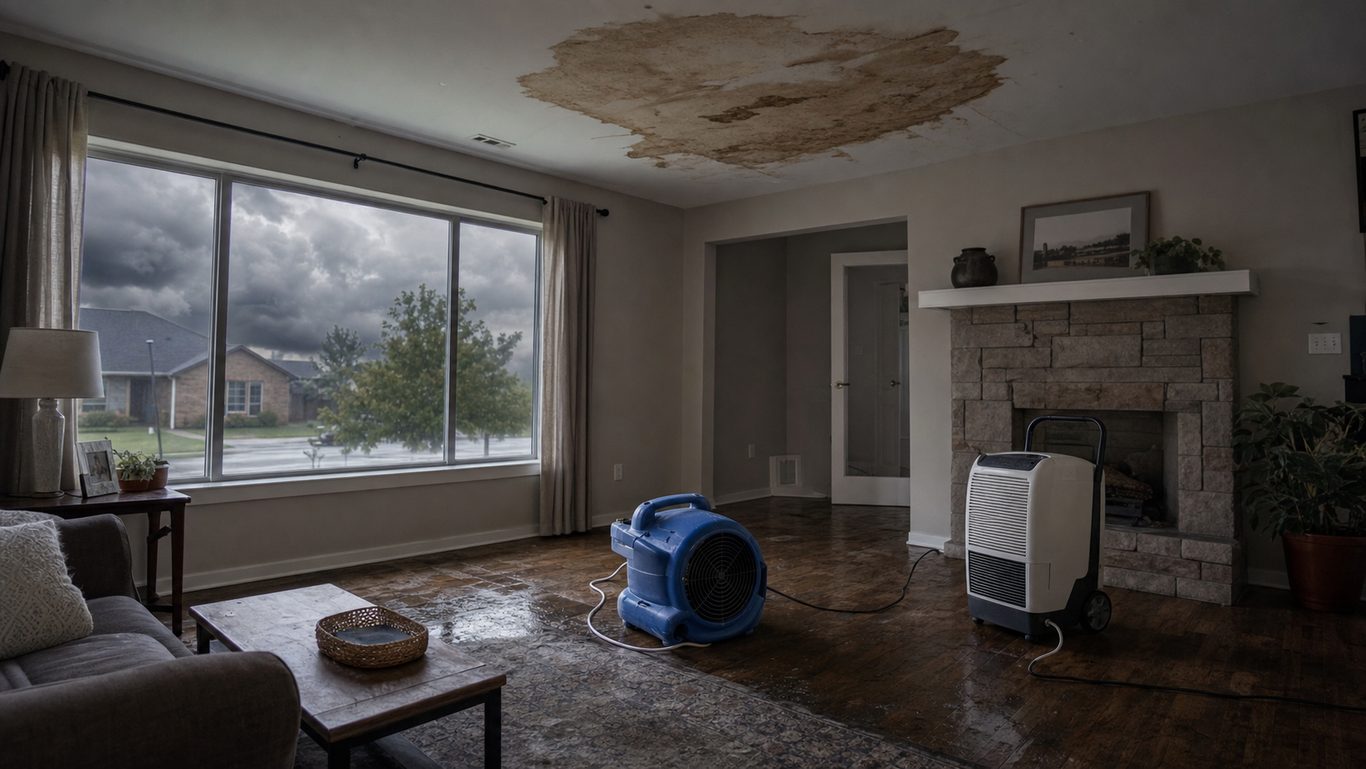
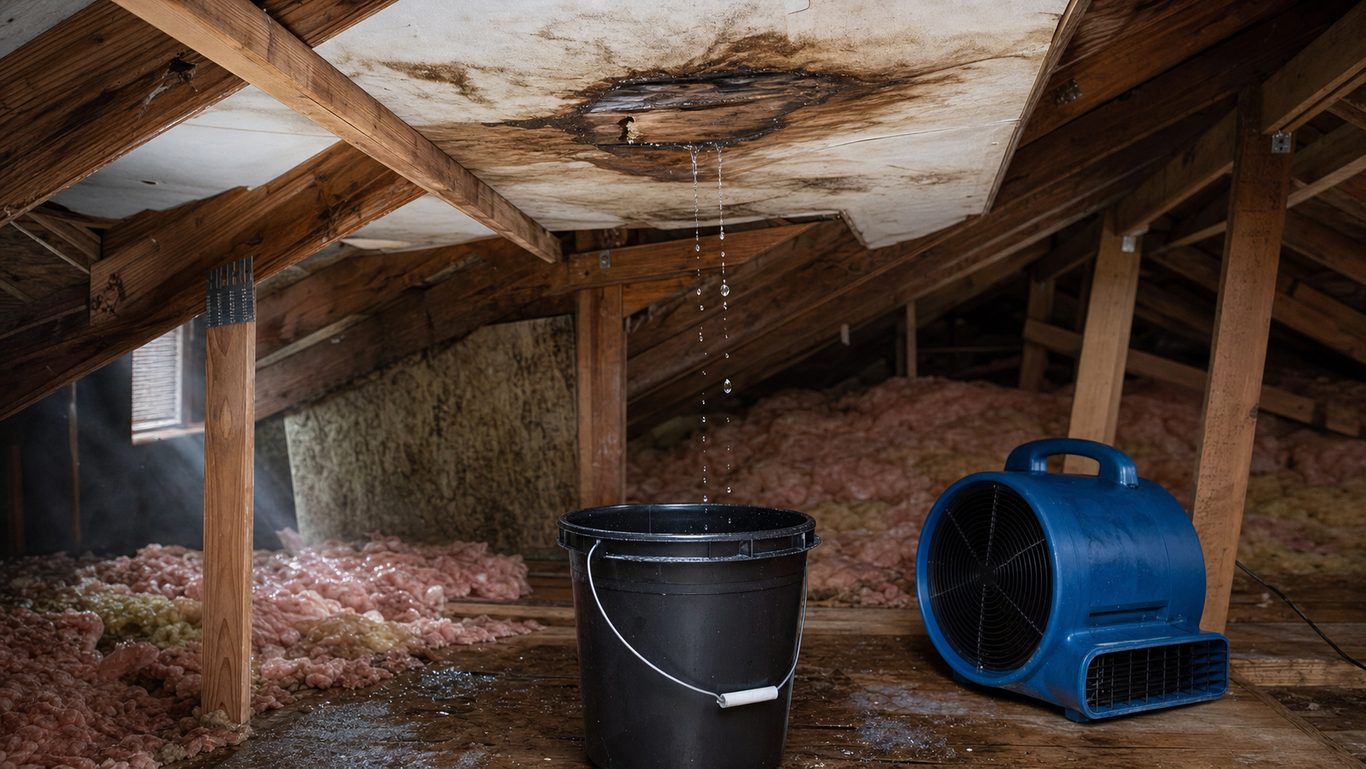
This guide also pairs with water damage restoration for any rain intrusion and water mitigation for active leaks after the storm.
How quickly can emergency board-up services respond after storm damage in Oklahoma City?
Response times vary based on event scale and crew availability. After localized damage affecting a few homes, professional services often arrive within two to four hours of your call. Major storm outbreaks that damage hundreds of structures across Oklahoma City can delay response to 24 to 48 hours as crews prioritize the most severe situations. Calling immediately after damage occurs gets you in the service queue as early as possible. During widespread events, consider temporary DIY protection for ground-floor openings while waiting for professionals to handle upper levels and complex damage safely.
Authoritative resources referenced
Need restoration help in Oklahoma?
24/7 dispatch, IICRC standards, direct insurance billing.