What Are Adjusters Looking For in a Tulsa Mold Claim?
Adjusters focus on the water source that caused the mold, not the mold itself. They need to determine if the originating water event is a covered peril under your policy. Most standard homeowners policies in Tulsa cover sudden and accidental water damage but specifically exclude gradual damage from neglect or maintenance failures.
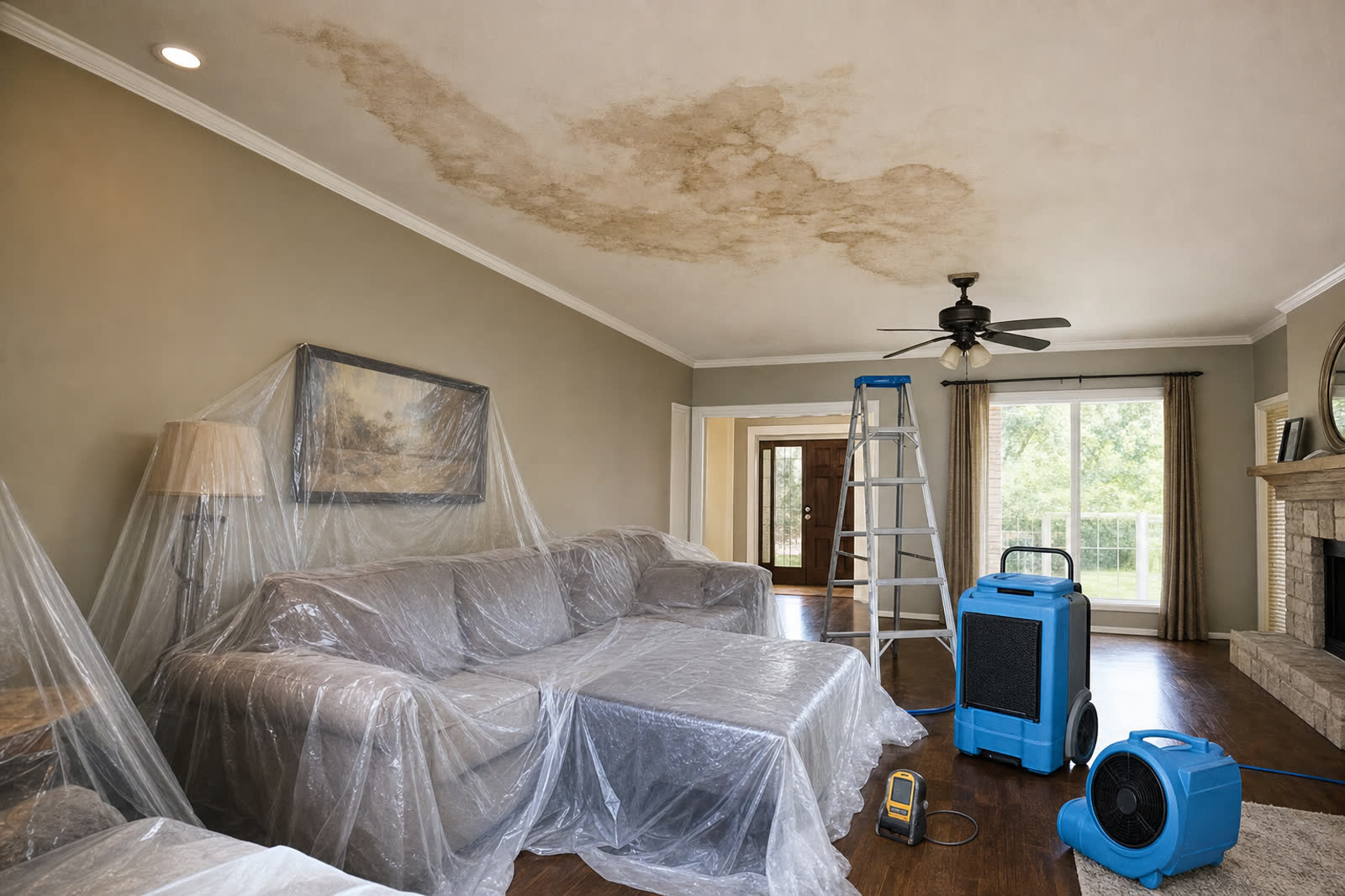
The adjuster will document the extent of water intrusion, affected materials, and the timeline between the water event and your claim filing. They often take moisture readings, photograph damaged areas, and review maintenance records. Your job is to show a clear connection between a covered water event and the resulting mold growth.
In our experience working with claims across Tulsa, adjusters pay close attention to bathroom and kitchen areas where slow leaks often go unnoticed. A burst supply line behind a toilet is typically covered. A toilet wax ring that leaked for six months usually is not. The difference hinges on whether you could reasonably have detected and stopped the damage.
Oklahoma's humid spring and summer months accelerate mold growth after water events. What might take two weeks to develop in a dry climate can appear in 48 to 72 hours here. Adjusters familiar with Tulsa's climate understand this timeline, but you still need to prove the water event was recent and sudden.
Keep records of any previous water damage, repairs, or maintenance. Adjusters will ask about prior claims and may request documentation. If you had a small leak repaired three months ago and now have mold in the same area, expect questions about whether the original repair was complete or if the damage continued unnoticed.
How Insurance Policies Typically Handle Mold Coverage
Most Tulsa homeowners policies include limited mold coverage, typically capped between $5,000 and $25,000. This sub-limit applies specifically to mold remediation, testing, and related cleanup. The underlying water damage may be covered separately under your main dwelling coverage, but the mold itself falls under the sub-limit.
Policies generally cover mold only if it results from a covered peril. Covered perils usually include burst pipes, appliance malfunctions, storm damage, and accidental overflow. Excluded causes include flooding (requires separate flood insurance), sewer backup (often requires an endorsement), maintenance issues, and condensation from poor ventilation.
Some carriers offer mold endorsements that increase the sub-limit or expand coverage. These endorsements typically cost $50 to $150 annually and can raise your mold limit to $50,000 or more. If you live in an older Tulsa home with aging plumbing or have experienced water issues before, an endorsement may be worth the investment.
Read your declarations page carefully. The mold sub-limit is usually listed separately from your dwelling coverage. If your policy shows a $10,000 mold limit and remediation costs $15,000, you will pay the difference out of pocket unless you can negotiate or document additional covered damages.
We recently worked on a claim in Broken Arrow where a supply line failure caused significant water damage. The adjuster approved $18,000 for drywall, flooring, and structural drying under the main policy but capped mold remediation at the $10,000 sub-limit. The homeowner paid the remaining $3,200 for mold work directly.
Documenting the Water Source and Timeline
The single most important factor in mold claim approval is proving the water source was sudden and accidental. Take photos and videos immediately after discovering water damage. Capture the water source, standing water, affected materials, and any visible damage progression.
Document the discovery date and any actions you took to stop the water. If you shut off a valve, called a plumber, or contacted a water damage restoration company, note the time and date. These records establish that you acted promptly to mitigate further damage, which is required under most policies.
Preserve any failed components if possible. A burst washing machine hose, a corroded pipe section, or a failed water heater valve all serve as physical evidence of a sudden failure. Adjusters may photograph these items or request they remain available for inspection.
If mold appears after a storm, connect the dots between roof damage, window leaks, or other storm-related water intrusion and the mold growth. We have seen claims in Tulsa where homeowners discovered mold weeks after severe weather and successfully linked it to storm damage by showing roof leak evidence and a clear timeline.
Keep a written log of events. Note when you first saw water, when you discovered mold, what areas are affected, and what smells or discoloration you noticed. This narrative helps adjusters understand the claim progression and supports your case that the damage resulted from a covered event, not long-term neglect.
Why the Initial Water Damage Matters More Than the Mold
Adjusters evaluate mold claims by first determining if the water damage itself is covered. If the water source is not a covered peril, the resulting mold is also not covered, regardless of severity. This is why establishing the water event as sudden and accidental is the foundation of any mold claim.
Policies cover the cost to dry out and repair water-damaged materials under your dwelling coverage. Mold that develops as a direct result of that covered water damage then falls under the mold sub-limit. The two coverages work together but are calculated separately.
In practical terms, this means you need to focus your documentation on the water event first. Show the adjuster where the water came from, how much entered your home, what materials got wet, and how quickly you responded. The mold becomes almost a secondary issue once the water coverage is established.
We worked with a homeowner in Oklahoma City who discovered mold in a guest bedroom. The adjuster initially denied the claim, suspecting a slow roof leak. We provided photos of a burst radiator valve and moisture readings showing recent saturation. Once the adjuster accepted the valve failure as covered, the mold remediation was approved under the sub-limit.
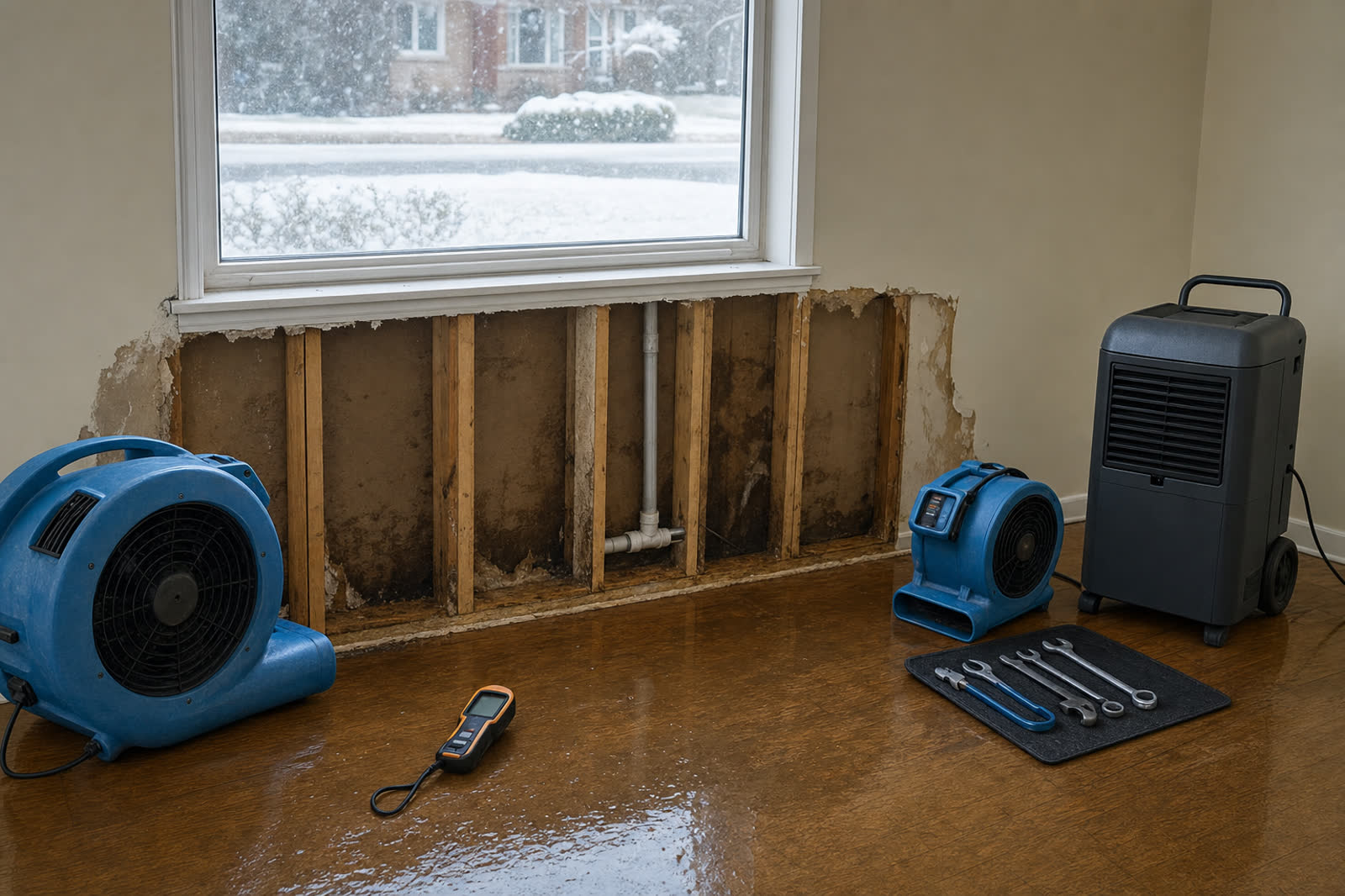
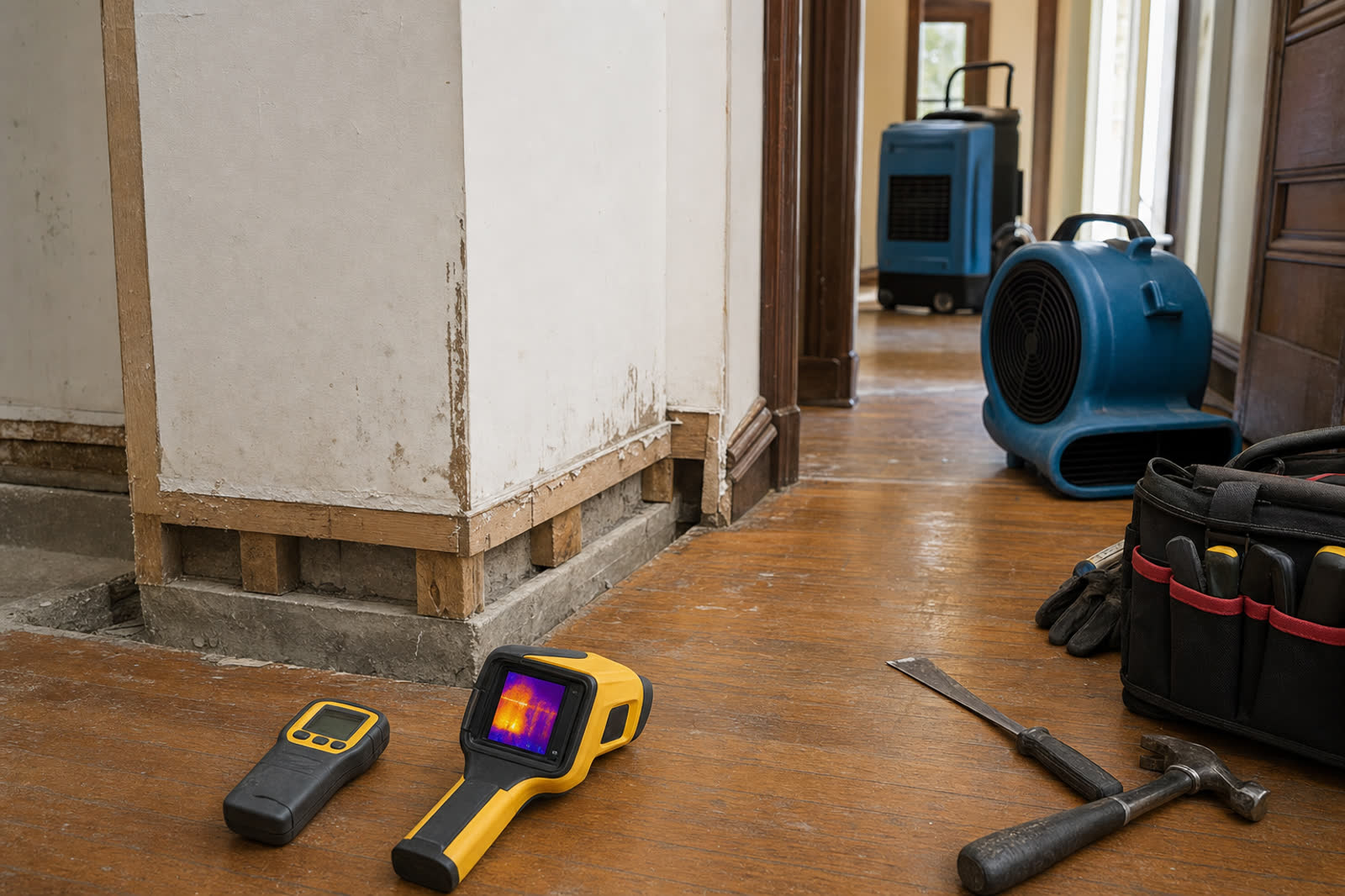
This approach also explains why adjusters often bring moisture meters and thermal imaging cameras. They are looking for evidence of ongoing leaks, hidden moisture, or damage patterns that suggest long-term problems rather than a single sudden event.
Common Reasons Tulsa Mold Claims Get Denied
The most common denial reason is lack of a covered water source. If the adjuster determines the mold resulted from condensation, humidity, poor ventilation, or a slow leak you should have detected, the claim will be denied. Maintenance-related issues are specifically excluded in virtually all policies.
Delayed reporting can sink a claim. If you discover water damage but wait weeks to file a claim, and mold develops during that delay, the carrier may argue you failed to mitigate. Oklahoma policies require prompt notification of loss and reasonable steps to prevent further damage.
Pre-existing conditions are another frequent denial cause. If the adjuster finds evidence of old water stains, previous mold growth, or long-term moisture problems, they may deny the current claim or reduce the payout to cover only new damage. This is especially common in older Tulsa homes with crawl spaces or pier-and-beam foundations where moisture issues can persist unnoticed.
Flood-related mold is almost always denied under standard policies. Flooding requires separate coverage through the National Flood Insurance Program. If your mold resulted from rising water during a storm, your homeowners policy will not cover it. The same applies to sewer backups unless you have a specific endorsement.
We have also seen denials based on inadequate ventilation or deferred maintenance. A bathroom without an exhaust fan that develops mold from shower steam, or an attic with mold from a poorly vented roof, will typically be denied. Carriers expect homeowners to maintain properties in reasonable condition.
Steps to Improve Your Claim Outcome
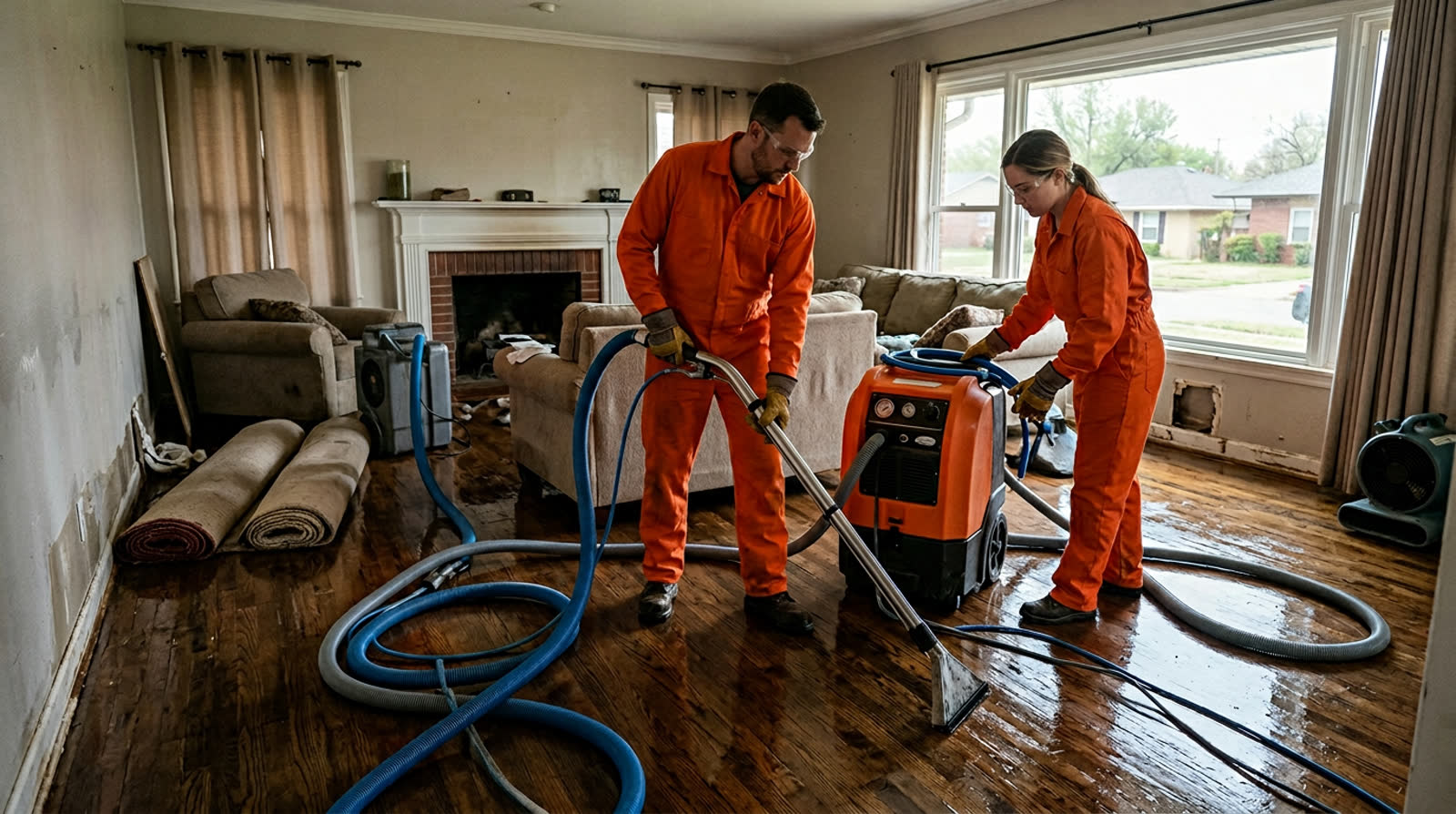
Hire a qualified restoration company immediately after discovering water damage. Professional drying and documentation strengthen your claim. Restoration companies create detailed moisture logs, equipment logs, and photo documentation that adjusters rely on to assess damage severity and mitigation efforts.
Request a copy of your complete policy before filing. Read the mold exclusions, sub-limits, and covered perils sections. Understanding your coverage limits helps you set realistic expectations and prepare supporting documentation. If anything is unclear, call your agent and ask specific questions before the adjuster arrives.
Get an independent assessment if needed. If mold growth is extensive or the water source is unclear, consider hiring a qualified inspector to document conditions. Under Oklahoma law (15 O.S. §765.4), the same company cannot both inspect and remediate mold if the combined cost exceeds $200, so inspection and remediation will be separate engagements. An independent report can support your claim with objective findings.
Be honest and thorough during the adjuster interview. Answer questions directly and provide requested documentation promptly. If you do not know something, say so. Inconsistent statements or withheld information can harm your credibility and jeopardize the claim.
In cases where the adjuster's estimate seems low, you can request a re-inspection or provide competing estimates from licensed contractors. Most carriers have a process for dispute resolution. In Tulsa, we have seen homeowners successfully negotiate higher payouts by providing detailed contractor bids that highlight damage the adjuster missed.
Keep all receipts for emergency repairs, temporary housing, and related expenses. Some policies cover additional living expenses if your home becomes uninhabitable. Document everything you spend as a result of the water damage and mold, and submit those costs to your carrier separately if they are covered under your policy.
Keep a written timeline of every conversation with your insurance company and adjuster. Note the date, time, who you spoke with, and what was discussed. This record becomes especially useful if your claim is delayed or disputed. Oklahoma's humid subtropical climate means mold can develop in as little as 24 to 48 hours after water intrusion, so delays in inspection or approval can worsen damage. If an adjuster asks to reschedule or postpones a visit beyond three business days, document that delay and follow up in writing via email. That paper trail shows you acted promptly while the insurer did not.
Ask the adjuster to walk the property with you and your restoration contractor if possible. A joint inspection ensures everyone sees the same damage at the same time. The restoration technician can point out hidden moisture in wall cavities, beneath flooring, or in ceiling joists that may not be obvious to the naked eye. Adjusters often use their own moisture meters, but having your contractor present with calibrated equipment provides immediate confirmation of readings. This collaborative approach reduces back-and-forth disputes over what was or was not present during the initial visit.
Understand that Oklahoma policies often include sub-limits for mold remediation, commonly ranging from $10,000 to $25,000 depending on the carrier and policy tier. If your adjuster indicates coverage is capped, ask whether that limit applies only to remediation or also includes testing, demolition, and reconstruction. Some policies separate these costs. Knowing the breakdown helps you prioritize which repairs to handle through insurance and which might require out-of-pocket funds. If the estimate exceeds your sub-limit, request a detailed line-item breakdown so you can identify which tasks are most pressing.
Be prepared for the adjuster to ask about prior water damage or mold issues in your home. Tulsa's older housing stock, particularly homes built before 1980, often has cast iron drain lines and galvanized supply pipes that corrode over time. If you have had previous plumbing leaks, be upfront about them and explain what repairs were completed. Adjusters review claims history. Hiding past incidents can lead to claim denial if the insurer discovers undisclosed damage that contributed to current mold growth.
Do not begin any demolition or disposal without adjuster approval unless the situation poses an immediate safety hazard. Wet insulation, soaked drywall, and damaged materials are evidence the adjuster needs to see. If you must remove items for safety reasons, photograph everything first and keep a detailed inventory. Mold-contaminated porous materials like carpet padding, ceiling tiles, and insulation typically cannot be saved and must be bagged and disposed of according to Oklahoma Department of Environmental Quality guidelines, but the adjuster still needs visual proof those items existed and were damaged.
Expect the adjuster to issue an initial estimate that may not cover all discovered damage. Restoration companies often find additional moisture or microbial growth once drywall is removed or flooring is pulled up. Request a reinspection if hidden damage is uncovered during the work. Most carriers allow supplemental claims when new damage is documented with photos and moisture readings taken at the time of discovery.
Need help now? See our full Water Damage Restoration service page or browse all restoration services. Don't see your city above? The full Oklahoma service area covers 27 cities.
Local context for this article: see our Tulsa, OK restoration page and the Water Damage Restoration in Tulsa service page.
This guide also pairs with emergency water mitigation and mold remediation when drying is missed.
Should I wait for the adjuster before starting mold cleanup?
You should mitigate water damage immediately to prevent further loss, which is required under your policy. Stop the water source, extract standing water, and begin drying if safe to do so. Take extensive photos and videos before moving or removing anything. You can start emergency drying and board-up without waiting for the adjuster, but document everything. For actual mold remediation, it is often wise to wait until after the adjuster inspects so they can see the full extent of damage and you avoid disputes about what was really there. Balance mitigation duties with documentation needs.
Authoritative resources referenced
Need restoration help in Oklahoma?
24/7 dispatch, IICRC standards, direct insurance billing.