What Makes Toilet Overflows a Health Risk?
Toilet overflows introduce Category 2 or Category 3 contaminated water into your home. Category 2 (gray water) contains bacteria and organic matter. Category 3 (black water) carries raw sewage with harmful pathogens including E. coli, hepatitis A, and other disease-causing organisms. Both require professional handling.
The water spreads quickly across bathroom floors, soaking into grout, baseboards, and subflooring. Porous materials absorb contaminated water within minutes. Tile floors in Tulsa homes often sit on cement board or plywood underlayment that wicks sewage water if not sealed properly.
We recently cleaned up a toilet overflow in a south Tulsa bathroom where water had seeped under vinyl plank flooring. The homeowner didn't realize the subfloor was soaked until we pulled up sections and found standing water and early microbial growth. That's why extraction alone isn't enough.
Health risks escalate if the water contacts food prep areas, bedrooms, or HVAC systems. Airborne particles can spread pathogens throughout your home. Children and pets face higher exposure risks because they play on floors and touch contaminated surfaces.
Time matters. Bacteria multiply rapidly in warm, moist conditions. Tulsa's summer humidity accelerates microbial growth after a sewage incident. Professional cleanup within 24 hours significantly reduces health risks and secondary damage.
Initial Response and Safety Protocols
Stop the water source immediately. Turn the toilet supply valve clockwise to shut off flow. If the valve is stuck or broken, shut off the main water supply to your home. Do not use any plumbing fixtures until the overflow is resolved.
Evacuate the affected area, especially children and pets. Sewage water carries immediate health hazards. Do not walk through contaminated water without proper footwear and protection. Cross-contamination spreads pathogens to clean areas of your home.
Open windows if weather permits to begin air circulation. Do not use ceiling fans or HVAC systems, as they can spread contaminated aerosols. Turn off electricity to the affected bathroom if water has reached outlets or fixtures. If you can't safely access the breaker panel, call an electrician.
Document the damage with photos before cleanup begins. Most homeowner's insurance policies in Oklahoma cover sudden toilet overflows as water damage, though coverage varies by policy. Contact your insurance agent before major restoration work starts.
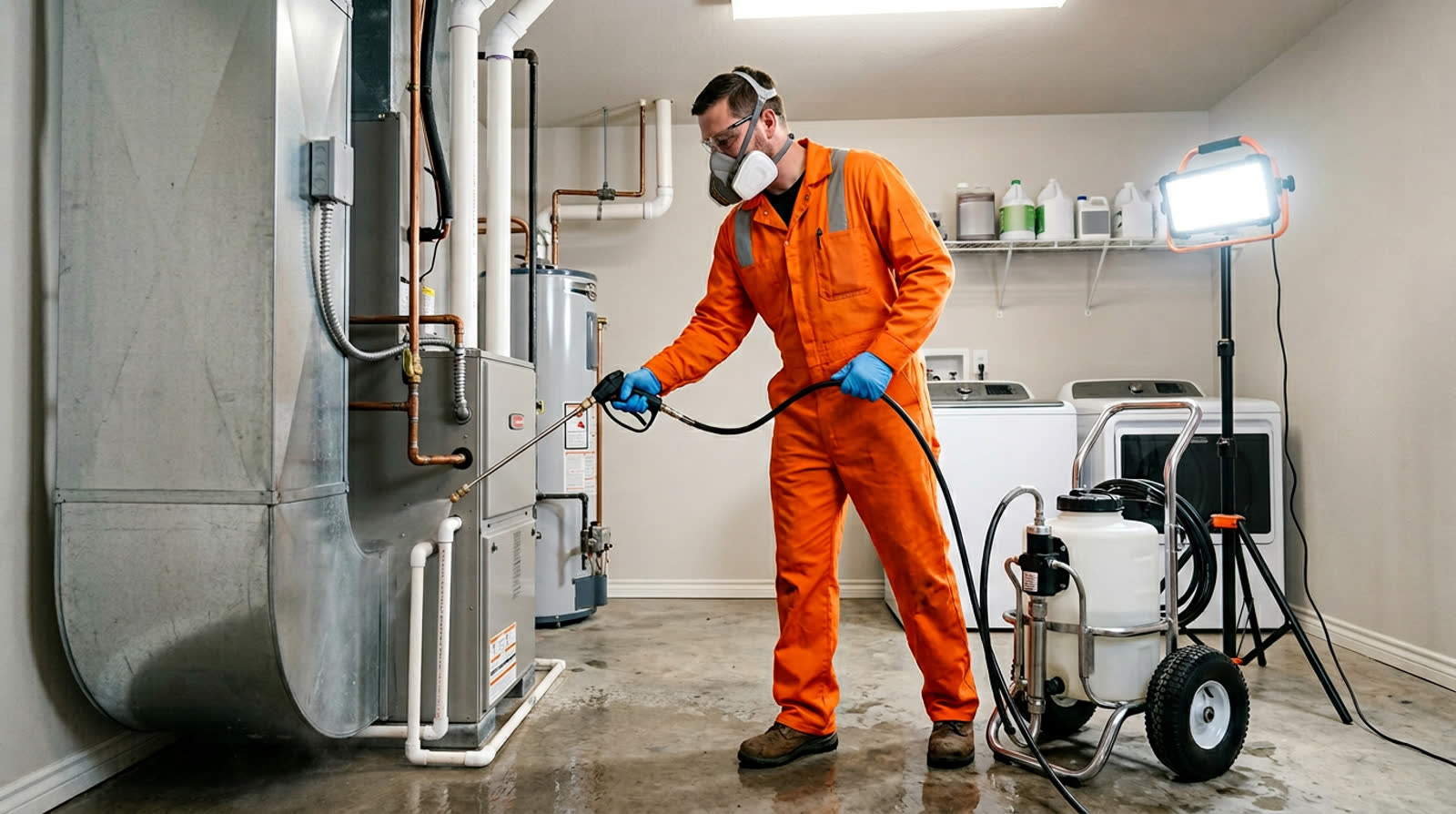
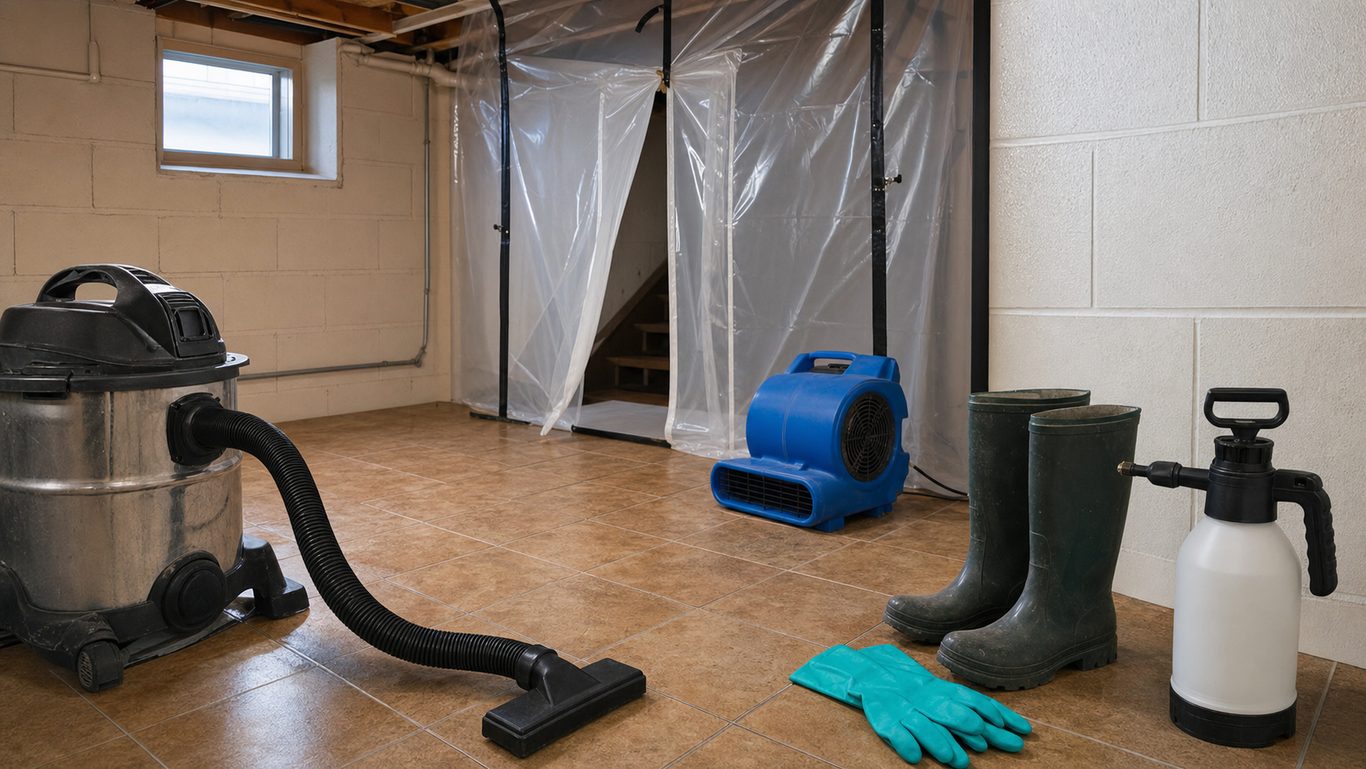
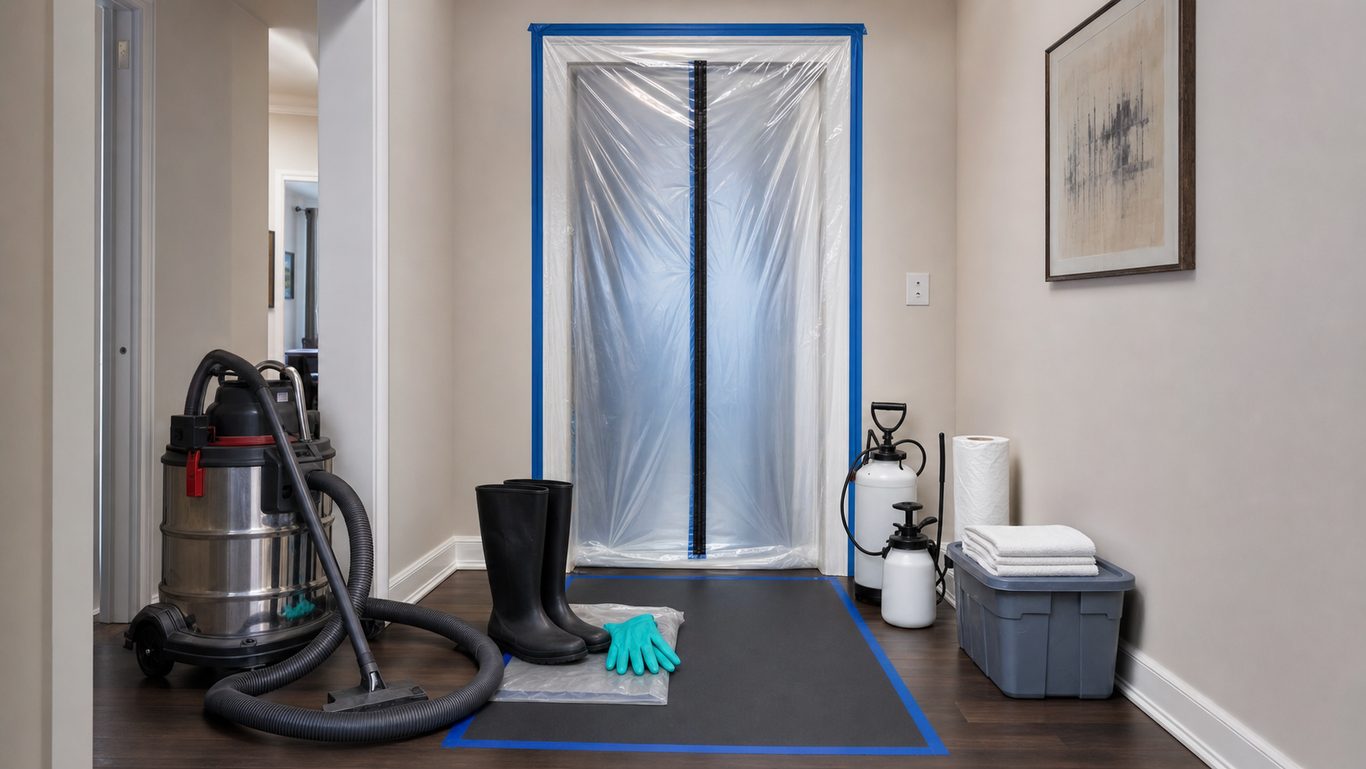
Professional restoration teams arrive wearing personal protective equipment: gloves, respirators, goggles, and disposable coveralls. We isolate the work area with plastic sheeting to prevent cross-contamination. Air scrubbers with HEPA filters capture airborne particles during cleanup.
Never attempt cleanup yourself if the overflow exceeds a few gallons, has spread beyond the bathroom, or if you have health conditions that compromise immunity. Professional teams have training and equipment to safely handle contaminated water.
Water Extraction and Removal Methods
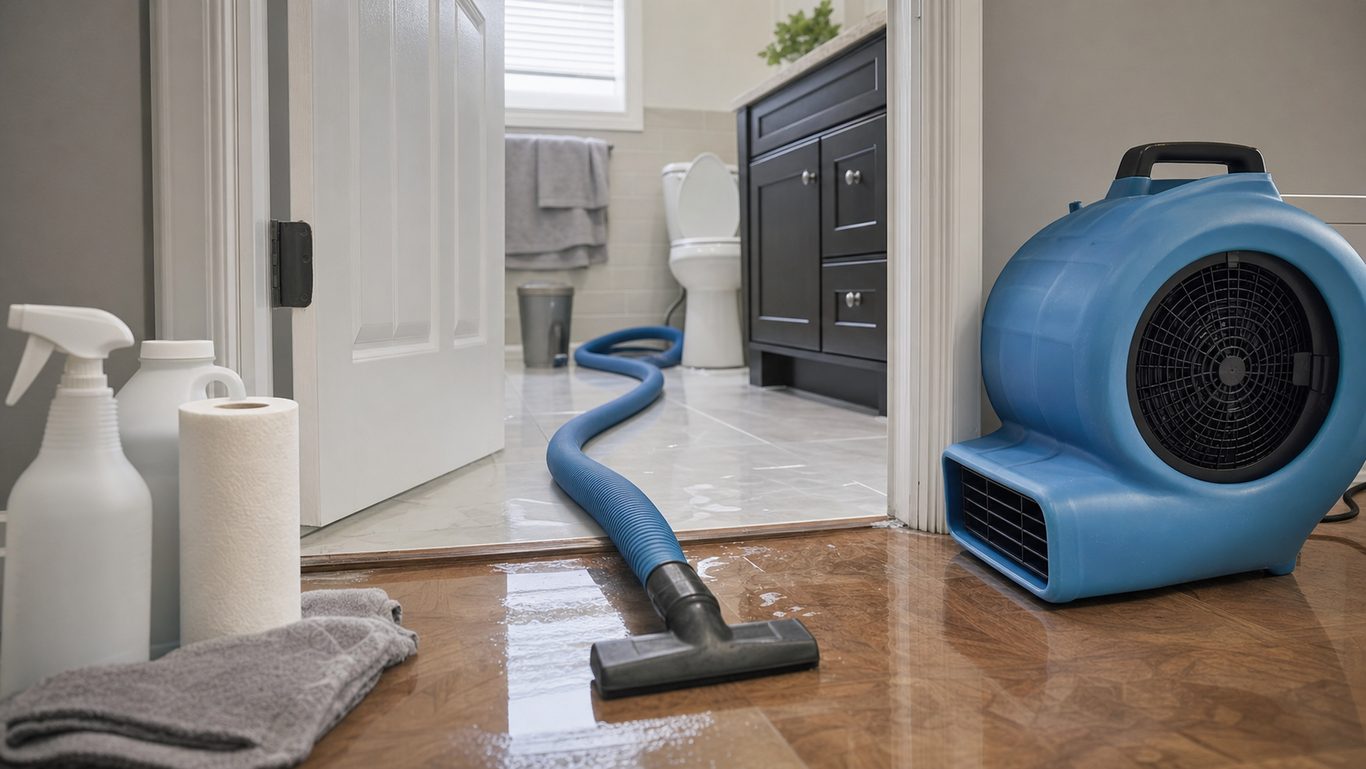
Extraction starts with removing standing water using truck-mounted or portable extractors. These units generate powerful suction to pull water from floors, including grout lines and textured surfaces. We use weighted extraction tools that press into flooring to draw water from porous materials.
Solid waste and debris are removed manually and disposed of according to Oklahoma environmental regulations. Contaminated materials go into sealed biohazard bags, not regular trash. We remove items that cannot be effectively sanitized, including cardboard, unsealed particleboard, and heavily soaked drywall.
In our experience, toilet overflows in Tulsa homes often affect bathroom rugs, bath mats, and fabric items. Small rugs and towels that contacted sewage water should be laundered separately with hot water and disinfectant, or discarded. Larger items may not be salvageable if saturation is significant.
Subflooring inspection follows surface extraction. We use moisture meters to check wood subfloors and concrete slabs. Readings above 16 percent in wood indicate trapped moisture that requires additional drying. Concrete typically needs readings below 4 percent before flooring replacement.
Baseboards and trim are often removed to access wall cavities. Water travels behind walls through gaps in flooring. If the overflow was significant, drywall wicking can occur up to 12 inches above the floor line. We cut and remove affected sections to prevent mold growth inside wall cavities.
The extraction phase typically takes one to three hours for a standard bathroom, depending on water volume and affected materials. Speed matters because the longer contaminated water sits, the deeper it penetrates and the more materials require removal.
Sanitation and Disinfection Procedures
All surfaces that contacted sewage water receive antimicrobial treatment. We use EPA-registered disinfectants formulated for Category 3 water cleanup. These products kill bacteria, viruses, and pathogens on contact. Application methods include spray, mop, and wipe-down techniques depending on the surface.
Hard surfaces like tile, porcelain, and sealed concrete can be effectively sanitized. We scrub grout lines and textured surfaces with stiff brushes to ensure disinfectant penetrates. Multiple applications may be needed for heavily contaminated areas. Dwell time (the period disinfectant remains wet on surfaces) is critical for effectiveness.
Wood flooring presents challenges. Unsealed or damaged hardwood that absorbed sewage water usually requires replacement. Sealed hardwood can sometimes be saved if cleaned and disinfected within hours of the overflow. We evaluate each case individually based on saturation level and wood condition.
Walls, cabinets, and fixtures within the splash zone receive thorough cleaning. Toilet bowls, tanks, and surrounding plumbing are disinfected even if they weren't the overflow source. Contaminated aerosols can settle on all bathroom surfaces during an overflow event.
We recently worked on a toilet overflow in a midtown Tulsa home where water had sprayed onto lower cabinet doors. The homeowner had wiped visible water but hadn't disinfected properly. Our ATP testing (which detects organic contamination) showed bacterial presence even on surfaces that looked clean. Visual cleanliness doesn't equal sanitary conditions.
HVAC vents and return grilles in the bathroom are cleaned or replaced if contaminated. Air systems can circulate pathogens throughout your home if not addressed. We inspect ductwork near the affected area for any water intrusion or contamination.
Drying and Dehumidification Requirements
Industrial air movers create rapid air circulation across all affected surfaces. We position multiple units to direct airflow across floors, up walls, and into cavities where moisture remains. High-velocity drying prevents microbial growth and speeds moisture evaporation.
Commercial dehumidifiers remove moisture from the air. Tulsa's climate can be humid, especially spring through early fall. Ambient humidity slows natural drying, so mechanical dehumidification is necessary. We run equipment continuously until moisture readings reach acceptable levels.
Closed drying systems work best for sewage cleanup. We seal the affected area with plastic barriers and create negative air pressure using air scrubbers. This prevents contaminated air from moving into clean areas while concentrating drying power in the affected space.
Subfloor drying often requires specialized equipment. For wood subfloors, we use floor mat systems that create suction beneath finished flooring to draw moisture out. Concrete slabs may need drying mats or injection drying systems if moisture is trapped beneath waterproof flooring materials.
Monitoring happens daily using moisture meters and thermal imaging cameras. We document readings to track drying progress. Standard drying time ranges from two to five days depending on materials affected, initial saturation levels, and ambient conditions.
Cabinets and vanities require special attention. We remove toe kicks and drill ventilation holes (if needed) to promote air circulation inside cabinet boxes. Standing water inside cabinets can remain hidden and cause long-term damage if not properly dried.
The drying phase can't be rushed. Materials must reach equilibrium moisture content to prevent future problems. Premature reconstruction over damp materials leads to mold growth, odor, and material failure within weeks or months.
Reconstruction and Material Replacement
Reconstruction begins only after all affected materials are confirmed dry. We retest moisture levels before any rebuild work starts. Replacing flooring or drywall over damp subflooring wastes time and money when materials have to come back out later.
Flooring replacement depends on what was damaged. Vinyl and laminate flooring affected by sewage water typically gets replaced entirely. These materials can't be effectively sanitized once contaminated. Ceramic tile can often be saved if properly cleaned, though grout may require removal and replacement.
Drywall replacement involves cutting clean lines above the water line, removing damaged sections, treating framing with antimicrobial solution, and installing new drywall. We match texture and prime before painting. Most bathroom walls are painted with semi-gloss or satin finish paint that resists moisture.
Baseboards and trim are replaced with new materials or reinstalled if they were removable and unaffected. Quarter-round and shoe molding around toilet bases often show water damage and get replaced. We caulk gaps between new baseboards and flooring to create a moisture barrier.
Vanity and cabinet replacement happens if particle board or MDF components swelled from water exposure. Solid wood cabinets can sometimes be saved if dried quickly. We evaluate each situation based on the extent of damage and contamination level.
Toilet reinstallation includes a new wax ring and supply line. If the toilet itself caused the overflow (cracked tank, failed seal), replacement may be necessary. We test all plumbing connections before reconstruction is complete to prevent future incidents.
Oklahoma doesn't have a state general contractor license, but many cities and counties require registration for reconstruction work. We coordinate with local requirements in Tulsa and surrounding areas. Customers can also hire their own contractors for rebuild work after our restoration and drying services are complete.
Prevention and Maintenance Tips for Tulsa Homeowners
Regular toilet maintenance prevents most overflows. Check flush mechanisms, flappers, and fill valves annually. Replace worn parts before they fail. Most hardware stores in Tulsa carry universal repair kits for common toilet brands.
Never flush items other than toilet paper and human waste. Common culprits in toilet clogs include feminine hygiene products, wet wipes (even those labeled flushable), cotton swabs, dental floss, and paper towels. These items don't break down and create blockages in drain lines.
Test your toilet's shut-off valve periodically. Turn it clockwise to close and counterclockwise to open. Valves that haven't been used in years can seize. If the valve doesn't turn easily, replace it before an emergency happens.
Watch for warning signs of impending problems. Slow drains, gurgling sounds, water backing up in tubs or sinks when flushing, and weak flush performance all indicate drainage issues. Address these early before they become overflow situations.
Older homes in Tulsa sometimes have cast iron drain pipes that corrode over time. Tree roots can infiltrate sewer lines through cracks and joints. Schedule a drain camera inspection if you experience recurring clogs. Knowing your pipe condition helps prevent surprises.
Install a backwater valve if your home is in a low-lying area prone to sewer backups during heavy rain. Tulsa experiences intense thunderstorms that can overwhelm municipal sewer systems. A backwater valve prevents sewage from backing up into your home.
Keep a wet/dry vacuum and basic cleanup supplies accessible. Fast response to small overflows can prevent major damage. However, remember that DIY cleanup is only appropriate for minor clean water incidents. Sewage water always requires professional handling.
Consider toilet overflow alarms for bathrooms you don't use frequently or if you have elderly family members who might not notice an overflow immediately. These battery-operated devices sound an alarm when water reaches the floor level.
Need help now? See our full Sewage Cleanup service page or browse all restoration services. Don't see your city above? The full Oklahoma service area covers 27 cities.
Local context for this article: see our Tulsa, OK restoration page and the Sewage Cleanup in Tulsa service page.
This guide also pairs with water damage restoration after the contamination is cleared and mold remediation that often follows sewage events.
Can I clean up a toilet overflow myself or do I need professionals?
Small overflows of clean water (from a supply line) can be handled with DIY cleanup if you act immediately. However, any overflow involving waste water or sewage requires professional cleanup. Contaminated water contains harmful bacteria and pathogens that household cleaners can't effectively eliminate. Professional teams have EPA-registered antimicrobial products, protective equipment, and industrial drying systems needed for safe sanitation. Insurance companies often require professional documentation for coverage. If the overflow spread beyond the immediate toilet area, soaked into flooring or walls, or sat for more than an hour, call a professional restoration company.
Authoritative resources referenced
Need restoration help in Oklahoma?
24/7 dispatch, IICRC standards, direct insurance billing.