What Causes Sewer Line Backups in Edmond Homes?
Sewer line backups in Edmond homes happen when wastewater flows backward into the house instead of draining properly to the municipal system. Tree roots invading older clay pipes account for many calls we receive in established Edmond neighborhoods near Hafer Park and Coffee Creek. Oklahoma's clay soil shifts during wet and dry cycles, cracking sewer lines and creating entry points.
Heavy rainfall overwhelms municipal systems during spring storms. The city's combined sewer areas can experience surges that push sewage back through floor drains and lower fixtures. We've seen backups in homes near Covell Road and Broadway after intense thunderstorms drop several inches in a short period.
Flushing improper materials clogs private lateral lines. Baby wipes, feminine products, and excessive toilet paper create blockages that build pressure until sewage erupts from toilets or bathtubs. Grease poured down kitchen drains solidifies in pipes, narrowing the flow path. Older cast iron pipes corrode and collapse internally, restricting drainage even without external blockages.
Main line breaks on city infrastructure affect multiple homes simultaneously. Construction activity occasionally damages municipal lines. Aging infrastructure in older Edmond subdivisions sometimes fails during temperature swings. A backup affecting just your home indicates a problem in your lateral line, while multiple neighbors experiencing issues suggests a city main problem.
Health Risks From Sewage Contamination
Sewage contains Category 3 water, the most dangerous contamination level in restoration work. Raw sewage carries bacteria including E. coli, Salmonella, and Shigella that cause severe gastrointestinal illness. Viruses like Hepatitis A and Norovirus survive in sewage for extended periods. Parasites and their eggs can infect anyone exposed to contaminated surfaces.
Direct contact isn't required for illness. Airborne particles during active backup or cleanup spread pathogens throughout the house. We've worked with families in Edmond who developed respiratory infections from breathing contaminated air before professional sewage cleanup began. Porous materials absorb sewage deep into their structure, creating ongoing exposure risks.
Children, elderly family members, and anyone with compromised immune systems face higher danger. Sewage contamination requires complete removal and disinfection, not simple cleaning. Attempting DIY cleanup without proper protective equipment exposes you to serious pathogens. Cross-contamination spreads bacteria to unaffected areas through shoes, clothing, and cleaning tools.
Secondary mold growth develops within 24 to 48 hours in sewage-affected materials. Mold adds respiratory hazards on top of bacterial contamination. Sewage odors indicate airborne particles carrying pathogens. Professional restoration eliminates both visible contamination and hidden microbial threats in building cavities.
How Professional Sewage Restoration Works
Professional sewage restoration follows strict protocols to protect occupants and restoration workers. The process begins with identifying and stopping the source. If a clogged lateral line caused the backup, we coordinate with plumbers to clear the blockage before starting water extraction. City main breaks require municipal repair confirmation before we proceed.
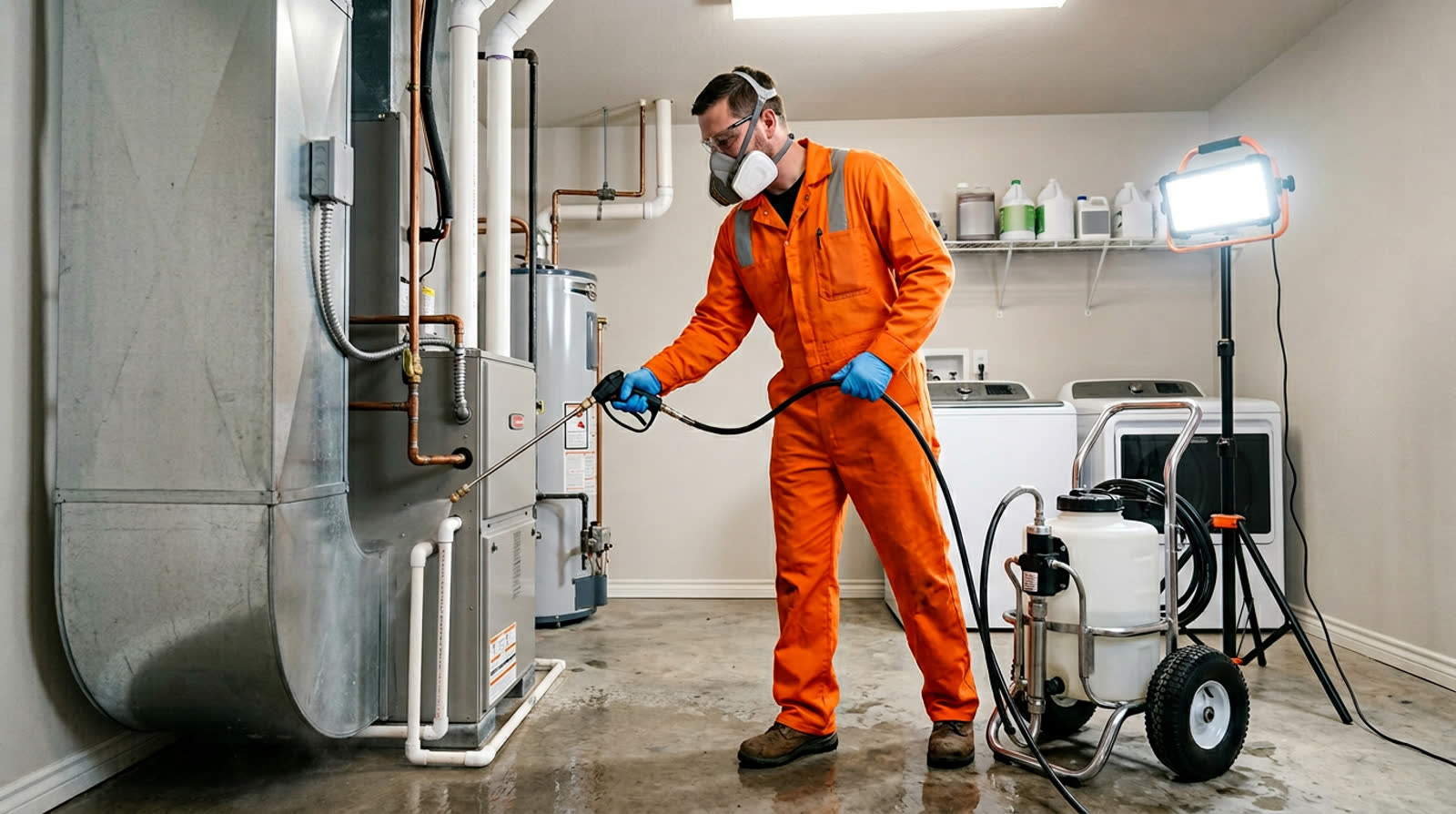
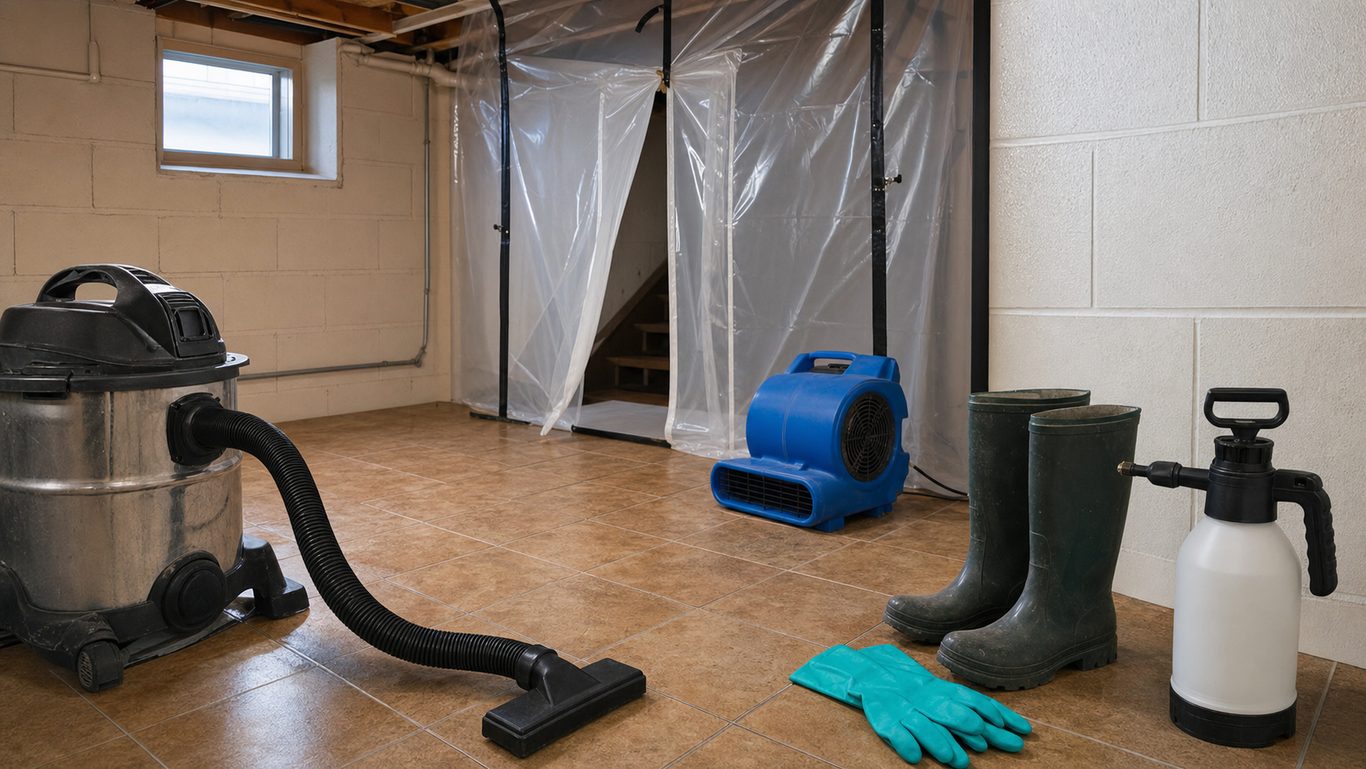
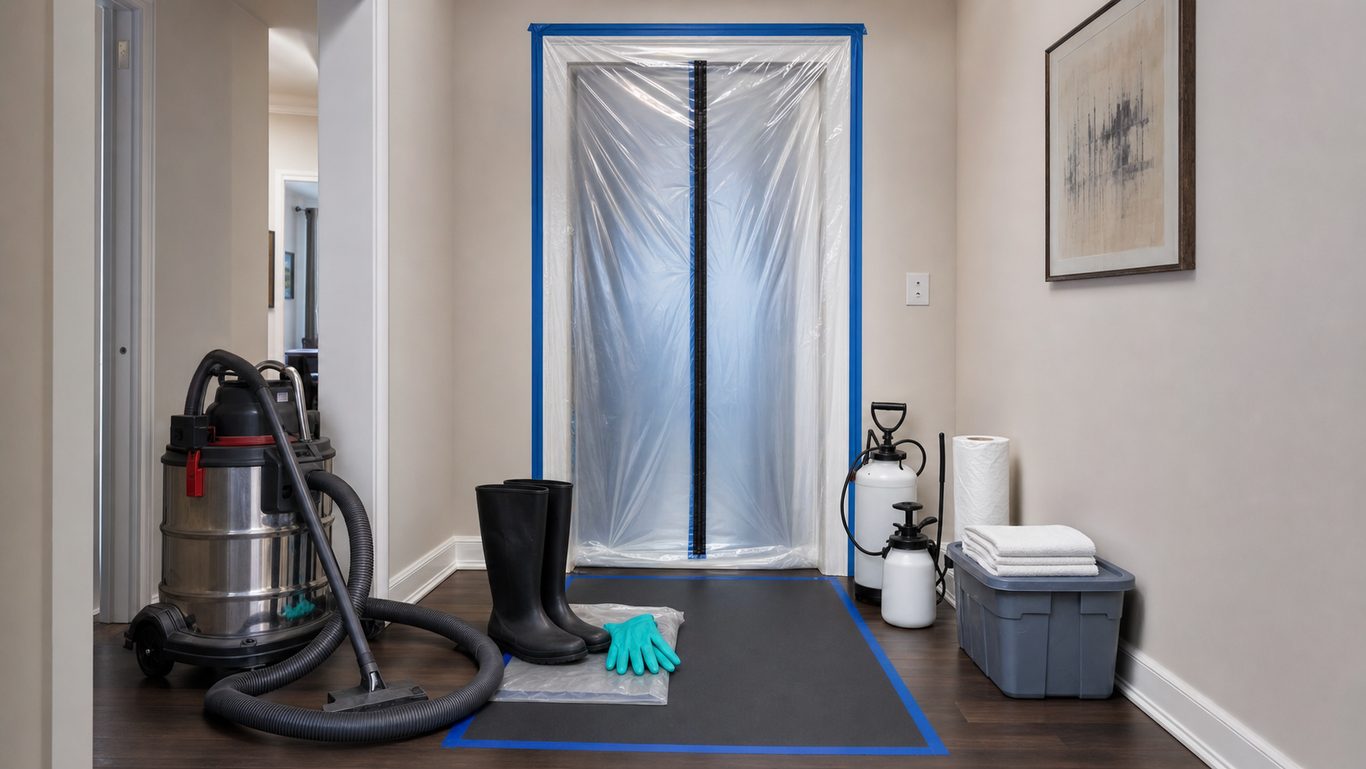
Personal protective equipment is mandatory for all sewage work. Our technicians wear hazmat suits, gloves, boots, and respirators when entering contaminated areas. We establish containment barriers to prevent cross-contamination to clean areas. Negative air pressure keeps airborne particles from spreading through the house.
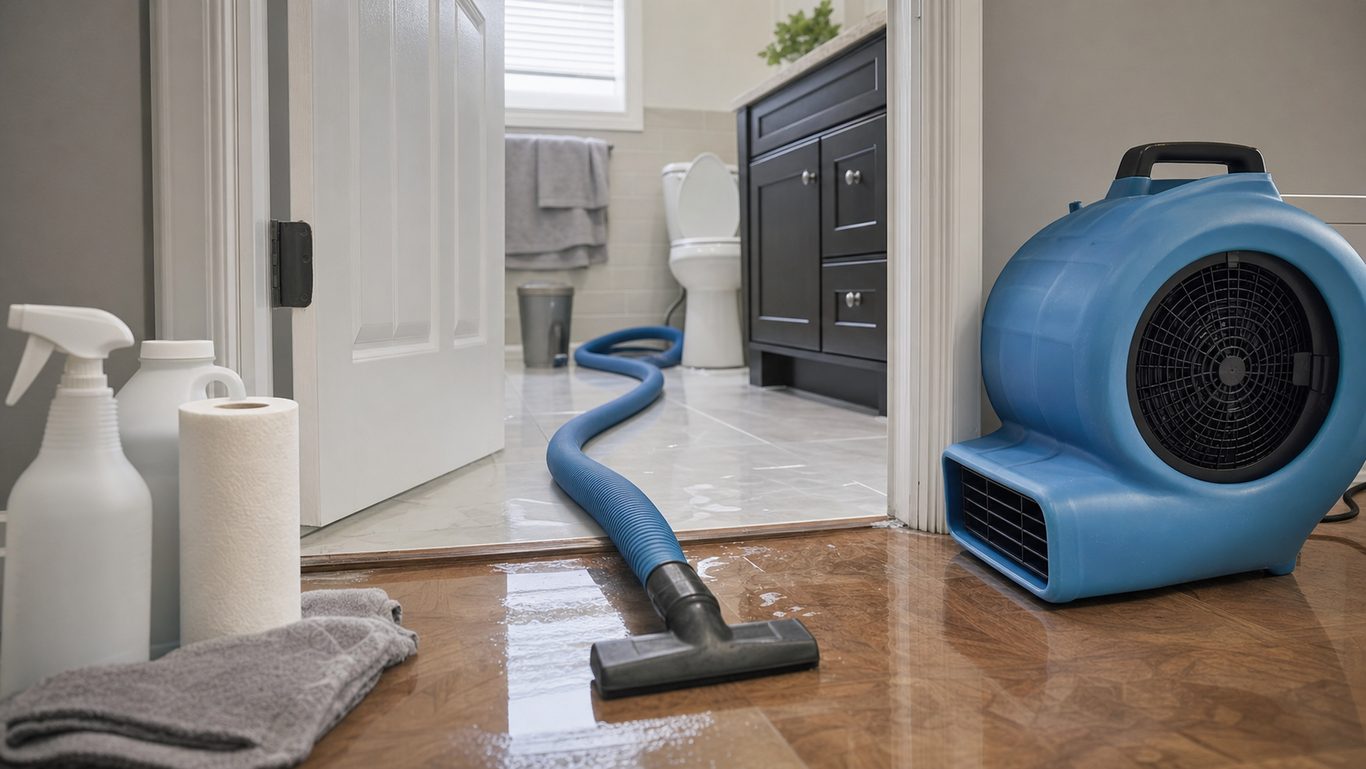
Extraction removes standing sewage using truck-mounted pumps and specialized vacuums. We remove all contaminated porous materials that cannot be effectively disinfected. Carpet, padding, drywall, insulation, and baseboards typically require disposal. In our experience, homeowners sometimes want to save materials for cost reasons, but Category 3 contamination cannot be adequately cleaned from porous items.
All remaining hard surfaces receive antimicrobial treatment. We apply EPA-registered disinfectants at proper dwell times to kill pathogens. Structural cavities get treated before reconstruction. Air scrubbers with HEPA filters remove airborne particles during the entire process. Dehumidifiers and air movers dry the structure completely to prevent secondary mold growth.
Testing confirms successful remediation. We document moisture levels in all affected materials. Air quality testing verifies that bacterial counts return to normal levels before reconstruction begins. Complete documentation supports insurance claims and provides your family peace of mind.
What to Do Immediately After a Sewer Backup
Stop using all water immediately when you discover sewage backing up into your home. Every flush, shower, or sink use adds more contamination. Shut off water at fixtures if sewage continues flowing. Do not attempt to use toilets, sinks, or washing machines until the blockage is cleared and the system is verified functional.
Keep family members and pets away from contaminated areas. Close doors to affected rooms to limit airborne particle spread. Do not walk through sewage and then into clean areas. Children are especially vulnerable to pathogens and should be kept completely away from backup zones.
Contact a professional restoration company experienced with sewage work. Speed matters because contamination spreads and health risks increase with exposure time. We typically respond to Edmond sewage emergencies within hours of the call. While waiting, open windows in affected areas if weather permits to improve ventilation and reduce airborne particle concentration.
Document the damage with photos and video for insurance purposes. Photograph water lines on walls showing backup height. Capture images of affected belongings and building materials. Do not move items or start cleanup before documentation is complete. Your homeowner's policy may cover sewage backups if you have the appropriate endorsement.
Do not use fans or heating systems that might spread contaminated air through ductwork. Avoid using shop vacuums or carpet cleaners, which cannot properly extract or disinfect sewage. These tools spread contamination and provide false confidence that cleanup is adequate. Professional equipment and antimicrobial products are necessary for safe sewage restoration.
Turn off your home's HVAC system as soon as you identify a sewage backup. Forced air heating and cooling can pull contaminated particles through your ductwork and spread bacteria and viruses to every room in your house. In Edmond's climate, where we run air conditioning heavily from May through September and heating from November through March, homeowners often overlook this step because they worry about comfort. However, leaving the system running during a sewage event can contaminate your entire HVAC system, requiring duct cleaning or replacement that adds hundreds to thousands of dollars to your restoration costs.
If the backup occurs during evening or overnight hours, increase lighting in affected areas before professionals arrive. Sewage-contaminated water is opaque and often dark brown or black, making it difficult to see submerged hazards like sharp objects, electrical outlets, or structural damage. Use battery-powered lights or flashlights rather than plugging in additional lamps near wet areas. Edmond homes built before 1990 often have older electrical systems that may not include GFCI protection in bathrooms and basements, where many backups occur.
Check your basement or crawl space if your backup is on the ground floor. Sewage often flows to the lowest point in the structure, and you may have contamination below the visible backup area. Many Edmond homes have partial basements or crawl spaces with limited access, and sewage can pool in these areas unnoticed for hours or days. This hidden contamination creates ongoing health risks and can damage floor joists, subfloors, and foundation elements.
Notify your insurance company within 24 hours of discovery. Most homeowner policies have specific notification windows for water and sewage claims. Ask your agent whether your policy covers sewer backups, as this is often a separate rider that many Edmond homeowners do not carry on their standard policy. Coverage typically ranges from $5,000 to $25,000 when the rider is in place. Document your initial notification call with the claim number, adjuster name, and time. Delays in reporting can result in claim denials even when coverage exists.
Avoid using chemical drain cleaners after a backup. These products are ineffective on main line blockages and can create dangerous fumes when mixed with sewage gases. They also complicate the work for professional plumbers using mechanical augering or hydro-jetting equipment.
Insurance Coverage for Sewer Backups
Standard homeowner's insurance policies typically exclude sewer backup damage unless you purchase a specific endorsement. This optional coverage is inexpensive compared to restoration costs but many Edmond homeowners don't realize they lack it until a backup occurs. Review your policy declarations page or contact your agent to verify coverage.
Sewer backup endorsements usually cover water extraction, structural drying, demolition of contaminated materials, disinfection, and reconstruction. Contents coverage replaces or cleans affected belongings. Limits typically range from $5,000 to $25,000, though higher limits are available. Deductibles apply as stated in your policy.
The endorsement covers backups from your lateral line, municipal mains, and septic system failures in most policies. Coverage includes mechanical breakdown of sump pumps in some policies. Floor drain backups during heavy rain typically qualify if sewage is involved. Pure groundwater seepage without sewage contamination may fall under different coverage or exclusions.
Claims require prompt notification to your insurance company. We work directly with adjusters and can assist with documentation and scope development. In our experience with Edmond claims, carriers respond faster when professional restoration companies provide detailed assessments. Some insurers have preferred vendor programs, while others allow you to choose your restoration contractor.
If you lack backup coverage, restoration costs become out-of-pocket expenses. We provide detailed estimates and can work with your budget on necessary versus optional services. Health and safety items like extraction, disinfection, and contaminated material removal cannot be compromised. Cosmetic finishes and upgrades offer more flexibility on timing and cost.
Preventing Future Sewer Line Backups
Regular lateral line maintenance reduces backup risk significantly. Camera inspections identify tree root intrusion, pipe corrosion, and partial blockages before they cause backups. We recommend inspections every three to five years for homes in established Edmond neighborhoods with mature trees. Newer subdivisions with PVC lines have lower risk but still benefit from periodic checks.
Install a backwater valve on your main sewer line. These one-way valves allow outflow but close automatically when sewage tries to flow backward into your home. Backwater valves work well for city main surges during heavy storms. Installation requires professional plumbing work but provides excellent protection for homes in low-lying areas or neighborhoods with known capacity issues.
Proper disposal habits prevent clogs in your lateral line. Flush only human waste and toilet paper. Dispose of wipes, paper towels, feminine products, and similar items in trash cans. Never pour grease or cooking oil down drains. Run cold water when using garbage disposals to help move waste through pipes. Hair catchers in shower and tub drains prevent accumulation in pipes.
Root barriers protect pipes from tree intrusion. These physical or chemical barriers installed around pipes prevent roots from contacting and penetrating sewer lines. Consider root barriers when planting trees near sewer lines. Avoid planting water-loving species like willows, cottonwoods, or silver maples near lateral lines. Existing trees near pipes may require periodic root cutting by a plumber with specialized equipment.
Sump pumps with battery backup prevent basement backups during power outages. Spring storms in Edmond often knock out electricity while dumping heavy rain. A functioning sump pump keeps groundwater from overwhelming floor drains. Test pumps monthly and replace batteries every three years. Consider a secondary pump for critical protection.
Choosing a Sewage Restoration Company in Edmond
Sewage work requires specific training, equipment, and disposal procedures that general water damage companies may lack. Look for restoration companies with documented Category 3 water experience. Ask about protective equipment, containment procedures, and antimicrobial products used. Companies cutting corners on safety protocols put your family and their workers at risk.
Equipment quality matters for sewage extraction and drying. Truck-mounted pumps remove sewage faster than portable extractors. HEPA air scrubbers capture microscopic particles that standard fans miss. Professional moisture meters identify hidden water in wall cavities and subfloors. Thermal imaging cameras reveal contamination spread behind visible surfaces.
Proper disposal follows Oklahoma Department of Environmental Quality regulations. Sewage-contaminated materials require specific handling and disposal at approved facilities. Legitimate companies track waste disposal and can provide documentation. Illegal dumping creates environmental hazards and potential liability for homeowners.
Response time affects both damage extent and health risk duration. Companies serving Edmond specifically can respond faster than those based in distant parts of the metro. We maintain equipment and staff to handle multiple sewage projects simultaneously during spring storm season. Some companies only handle sewage work as an occasional sideline to their main services.
Clear communication and documentation protect you throughout the process. Choose companies that explain the process, answer questions, and provide written scopes of work. We photograph conditions before, during, and after restoration. Detailed moisture logs and air quality results document successful completion. Honest companies acknowledge limitations. For example, we cannot save all belongings or building materials affected by sewage, despite homeowner desires to reduce costs.
Need help now? See our full Sewage Cleanup service page or browse all restoration services. Don't see your city above? The full Oklahoma service area covers 27 cities.
Local context for this article: see our Edmond, OK restoration page and the Sewage Cleanup in Edmond service page.
This guide also pairs with water damage restoration after the contamination is cleared and mold remediation that often follows sewage events.
Can I clean up a small sewage backup myself?
Sewage contains dangerous pathogens including E. coli, Hepatitis A, and parasites that cause serious illness. Even small backups require proper protective equipment, EPA-registered antimicrobial products, and correct disinfection procedures. DIY attempts typically spread contamination, leave pathogens in porous materials, and expose you to health risks. Professional restoration eliminates both visible sewage and hidden microbial contamination in building cavities. The health risk and potential for inadequate cleanup make professional service the safe choice for any sewage backup.
Authoritative resources referenced
Need restoration help in Oklahoma?
24/7 dispatch, IICRC standards, direct insurance billing.