Why Is Professional Sewage Cleanup Necessary in Oklahoma City?
Raw sewage contains bacteria, viruses, parasites, and toxic chemicals that pose serious health risks. Category 3 water damage (the industry term for sewage) cannot be safely cleaned by homeowners with shop vacuums and bleach.
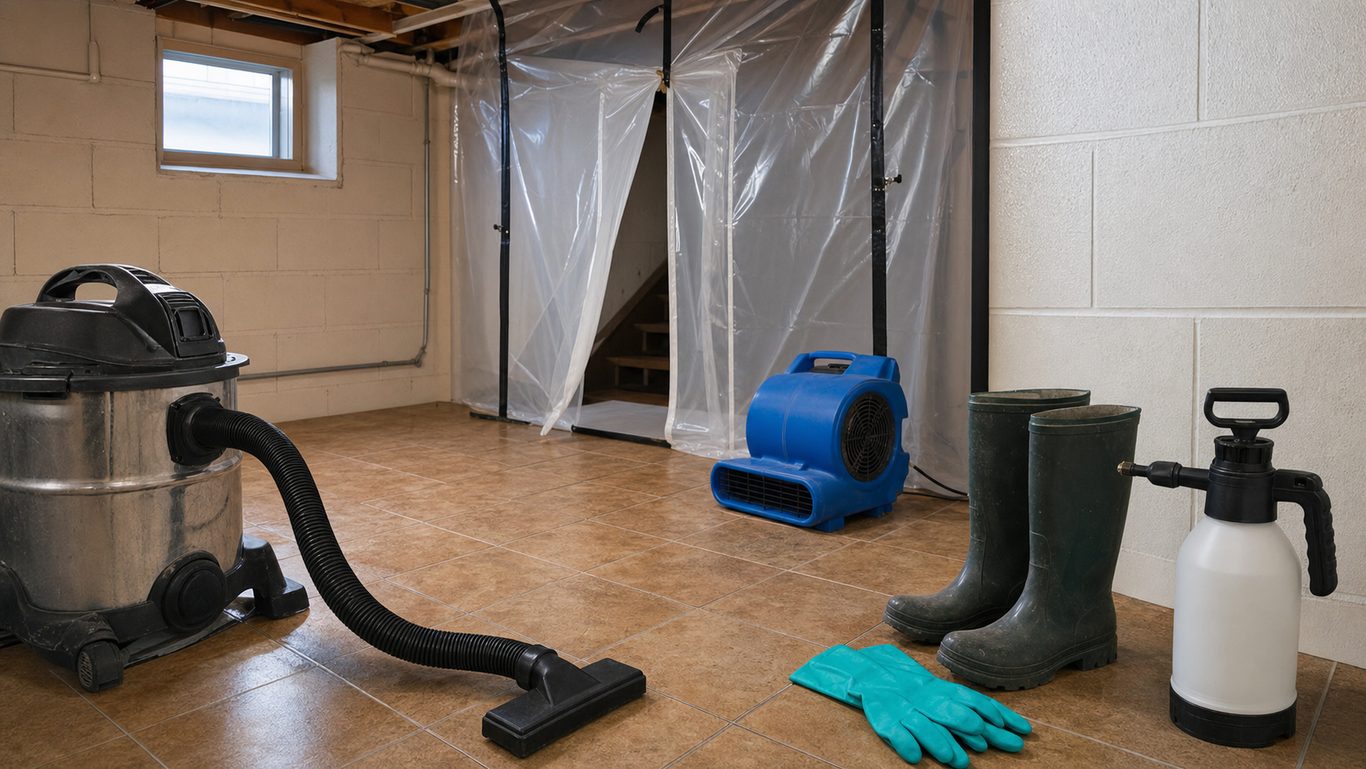
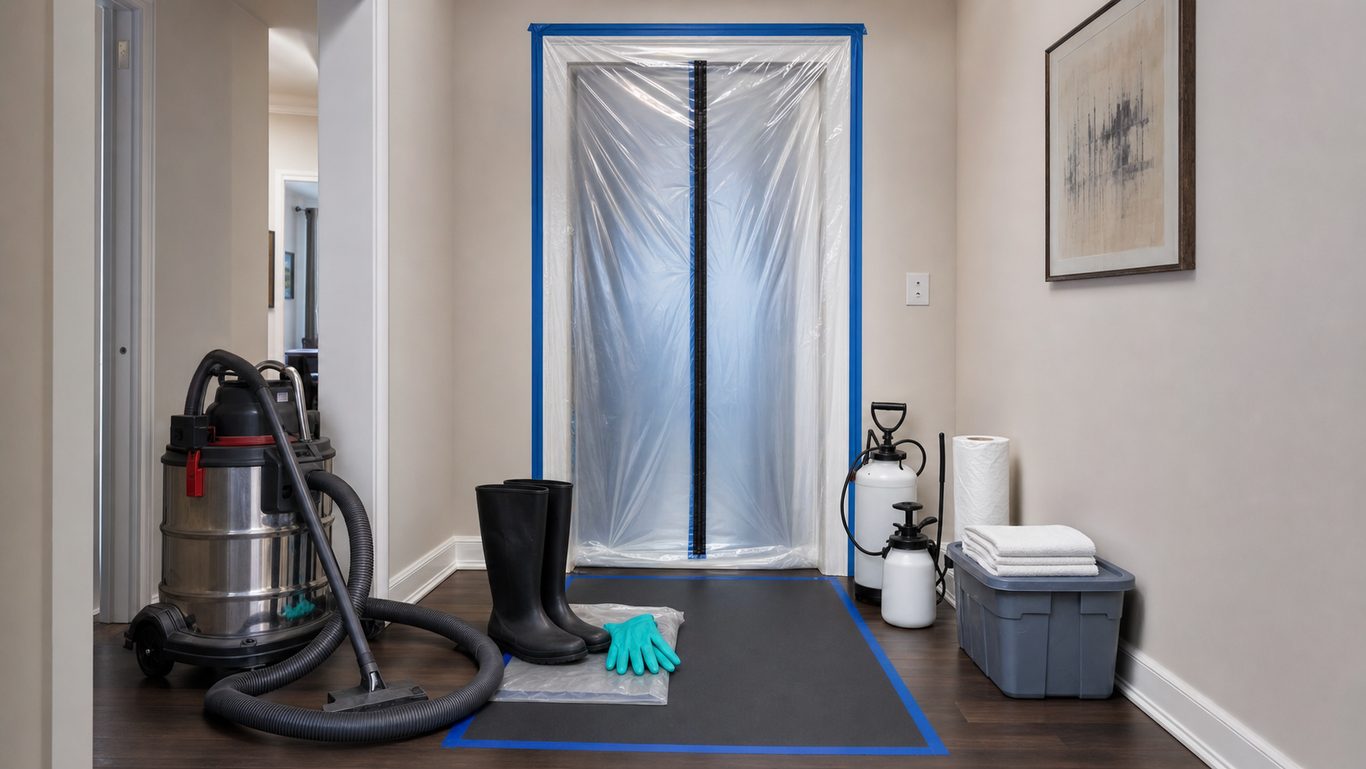
Professional sewage cleanup teams use containment barriers, negative air machines, antimicrobial treatments, and specialized extraction equipment. We've seen homeowners attempt DIY cleanup only to face mold growth three weeks later or family members developing respiratory infections from residual contamination.
Oklahoma City's older housing stock, particularly homes built before 1980 in areas like Crown Heights and Mayfair, often has aging cast iron drain lines and clay sewer laterals. These deteriorate over time, creating backups during heavy rain events. The red clay soil that defines our region expands and contracts with moisture, putting stress on underground pipes and increasing sewage backup frequency.
Insurance companies require professional documentation and mitigation to approve claims. Attempting cleanup yourself may void coverage or leave contamination that surfaces later, forcing you to pay for remediation twice.
Immediate Safety Actions When Sewage Enters Your Home
The first priority is protecting your family from pathogen exposure. Evacuate everyone from affected rooms immediately. Do not walk through standing sewage unless absolutely necessary to reach the main water shutoff or electrical panel.
If the backup involves standing water near outlets or appliances, shut off electricity to affected circuits at the breaker panel. If you must walk through sewage to reach the panel, do not attempt it. Wait for emergency services or a restoration professional. Sewage conducts electricity efficiently.
Close doors to contaminated areas to limit airborne particle spread. If possible, open windows in affected rooms to ventilate, but do not run HVAC systems. Central air will distribute sewage particulates throughout your home.
Contact a professional restoration company immediately. Sewage damage worsens exponentially with each passing hour. Bacteria multiply, porous materials absorb contamination deeper, and demolition costs increase as drywall and insulation become saturated.
Call your insurance company to report the loss. Take photos and videos from doorways without entering contaminated zones if you can do so safely. Document water levels, affected rooms, and visible damage.
What Causes Sewage Backups in Oklahoma City Homes?
Several factors contribute to sewage emergencies in our area. Understanding the cause helps prevent future incidents and may affect your cleanup approach.
Main sewer line blockages are the most common culprit. Tree roots infiltrate clay pipes seeking water, especially during dry Oklahoma summers. Older neighborhoods in Oklahoma City with mature elms, oaks, and cottonwoods face frequent root intrusion problems.
Municipal sewer backups occur when the city's main line becomes overwhelmed during heavy rain. Stormwater infiltration into aging combined sewer systems can force sewage back into homes at low-lying points. The city is not always liable for these backups, depending on where the blockage occurs.
Fixture-specific clogs affect single drains initially but can escalate. A blocked toilet on the second floor may overflow if someone continues using water, sending sewage down through ceiling cavities into first-floor rooms.
Broken or collapsed sewer laterals require excavation and pipe replacement. The lateral (the section from your home to the city main) is the homeowner's responsibility. Soil settlement, freeze-thaw cycles, and age all contribute to lateral failure.
Sump pump failures during storms can allow groundwater to back up through floor drains, sometimes carrying sewage from overwhelmed septic systems or city mains. Battery backup systems help but aren't foolproof during extended power outages common in Oklahoma's ice storm season.
The Professional Sewage Extraction Process
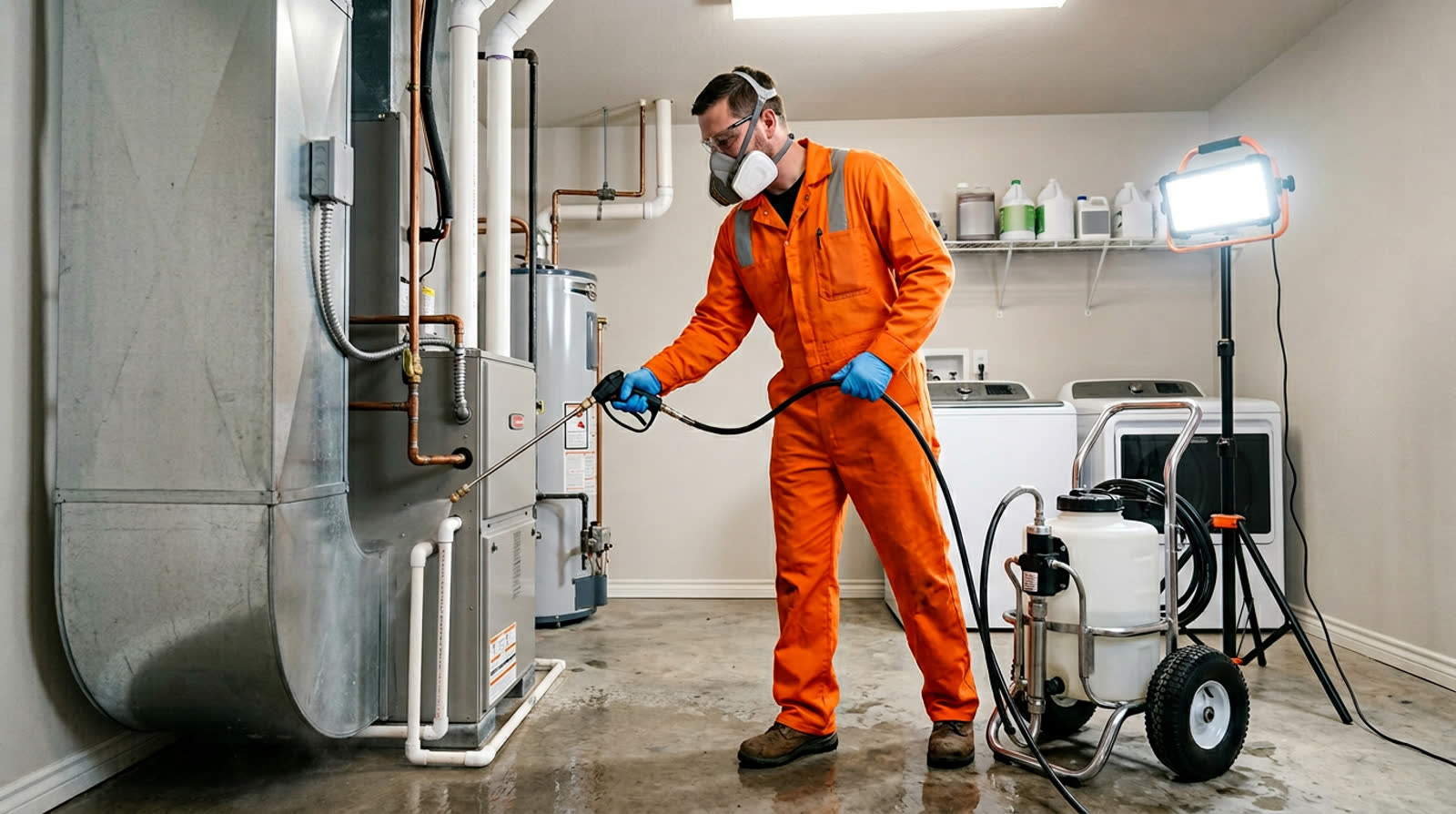
Professional teams arrive with truck-mounted extractors, submersible pumps, and personal protective equipment including respirators, waterproof suits, and gloves. We establish containment zones using poly sheeting to prevent cross-contamination to unaffected areas.
Extraction begins immediately. Truck-mounted units remove standing sewage and transport it to proper disposal facilities. Portable pumps handle areas the truck hoses can't reach. We extract until no standing liquid remains, then perform multiple rinses with clean water to dilute residual contamination before extracting again.
Content removal comes next. Sewage-soaked furniture, carpeting, pad, drywall, and insulation must be disposed of properly. Porous materials cannot be adequately disinfected. We've had customers ask about saving carpets or upholstered furniture after sewage contact. The honest answer is that keeping these items risks family health and future odor problems.
Hard surface cleaning follows extraction. Antimicrobial agents applied at manufacturer-specified concentrations treat all exposed surfaces. Wood framing, concrete slabs, and tile receive thorough application. We use EPA-registered disinfectants effective against sewage pathogens.
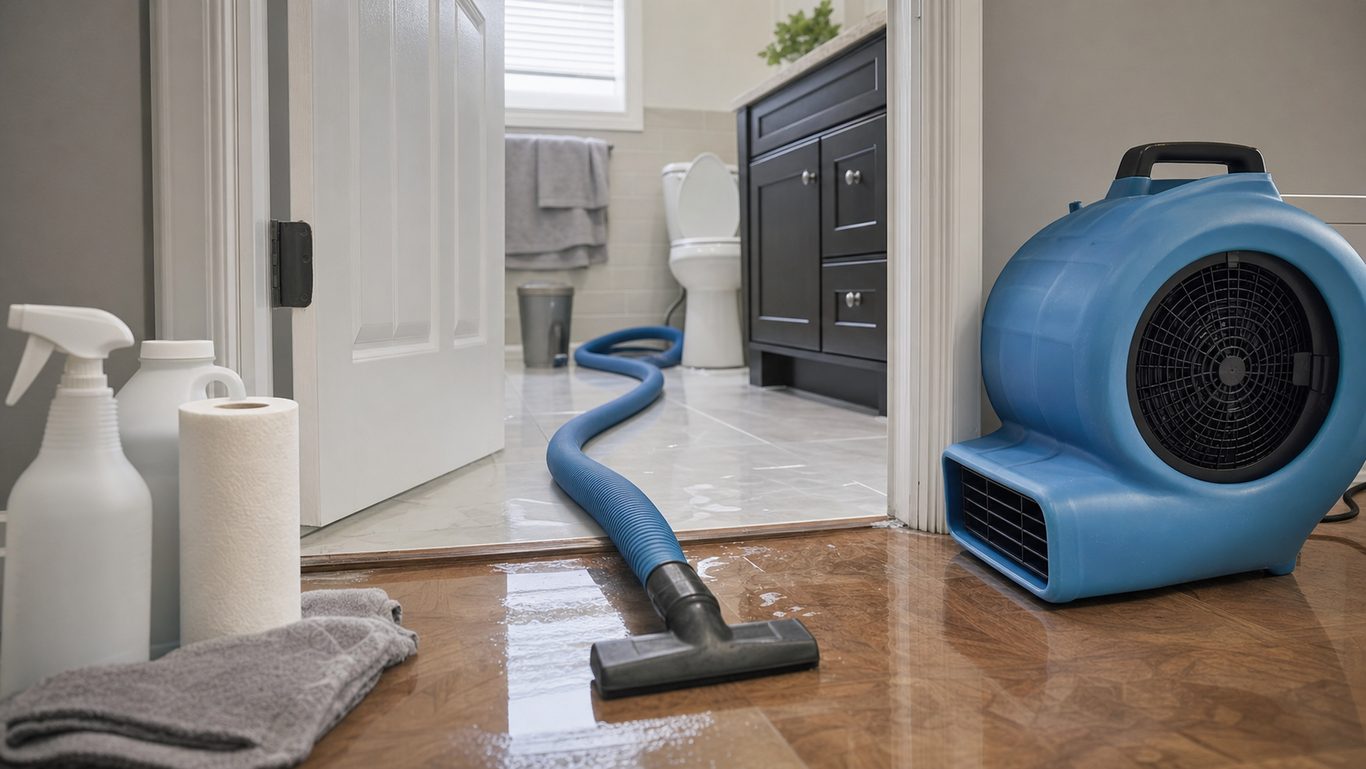
Structural drying uses commercial dehumidifiers and air movers to bring materials back to normal moisture content. Daily monitoring with moisture meters tracks progress. Most sewage jobs in Edmond and Oklahoma City require three to seven days of drying, depending on materials affected and humidity levels.
After extraction and antimicrobial treatment, air movement becomes the next critical step. Even though visible sewage is gone, moisture remains deep in structural cavities, under flooring systems, and inside wall assemblies. Oklahoma City's clay soil means most homes sit on slab foundations, and sewage often seeps beneath that concrete. We position high-velocity air movers at strategic angles to create airflow across all affected surfaces. These aren't box fans from a hardware store. Professional axial and centrifugal air movers push hundreds of cubic feet per minute and run continuously for days. Dehumidifiers pull moisture from the air, preventing it from reabsorbing into framing or migrating to unaffected rooms. The equipment runs 24 hours a day, and we monitor progress with moisture meters that measure water content in wood and drywall.
Documentation happens throughout the entire process. We photograph conditions before extraction, during demolition, and after drying. Moisture readings get recorded on floor plans showing exactly where higher levels existed and how they decreased over time. Insurance adjusters need this paper trail. Without it, claims get delayed or disputed. We also document disposal, because sewage-contaminated materials have specific handling requirements under Oklahoma Department of Environmental Quality guidelines. You can't just toss a sewage-soaked mattress in a dumpster and leave it on the curb.
Drying times in Oklahoma City depend on several factors. A small bathroom backup affecting 150 square feet might dry in three days. A main line failure that floods a basement or crawlspace can take a week or longer, especially during humid spring months when outdoor moisture levels hover near saturation. Summer heat helps, but it also accelerates bacterial growth if drying doesn't happen fast enough. Winter cold slows evaporation. We adjust equipment counts and dehumidifier capacity based on seasonal conditions and the volume of water introduced.
Odor control requires more than masking sprays. Sewage leaves behind organic residue even after cleaning, and Oklahoma's temperature swings cause materials to off-gas. We use hydroxyl generators or ozone machines in unoccupied spaces to neutralize odor molecules at a chemical level. These machines don't just cover smells. They break down the compounds causing them. Ozone treatment requires complete evacuation, including pets and plants, because the gas is harmful during operation. Hydroxyl units are safer and can run while people occupy other parts of the home, though we still restrict access to the treatment zone.
Reconstruction begins only after a certified industrial hygienist or our lead technician confirms the space is dry and contamination has been remediated. Rebuilding costs vary widely depending on what was removed. Replacing drywall, insulation, and baseboards in a single bathroom typically runs $2,500 to $5,000. Whole-floor restorations involving multiple rooms, subfloor replacement, and finish materials can reach $15,000 to $40,000 or more. Oklahoma City permit requirements apply to reconstruction work, particularly if plumbing repairs are part of the scope. We coordinate inspections to keep the project moving.
Post-remediation verification testing is available but not always required by insurance. Some homeowners request surface swab tests or air quality sampling for peace of mind, especially if immune-compromised family members live in the home. These tests add cost but provide objective confirmation that bacterial levels have returned to normal background levels. Results take several days to process through the lab.
Materials That Must Be Removed After Sewage Contact
Industry standards and health codes require removing specific materials after Category 3 water exposure. These guidelines protect occupants from ongoing contamination.
- Carpet and carpet padding in all affected areas
- Drywall and insulation if contacted by sewage
- Particleboard and MDF furniture or cabinetry
- Upholstered furniture, mattresses, and pillows
- Ceiling tiles and insulation in drop ceilings
- Laminate flooring if sewage reached underlayment
- Contents made of paper, cardboard, or fabric
- Children's toys, stuffed animals, and porous items
Hardwood flooring presents a judgment call. If sewage sat for less than a few hours and the wood is solid (not engineered), professionals may attempt drying and disinfection. Engineered floors with plywood layers almost always require replacement once sewage penetrates the joints.
Tile floors usually survive if properly cleaned and disinfected. The grout requires antimicrobial treatment and sealing after drying. Baseboards typically need replacement even when walls are salvageable, as the bottom plate area traps contamination.
We recently worked a sewage backup in a Norman home where the customer initially wanted to keep everything. After we explained the health risks and liability issues, they agreed to proper demolition. Three days into drying, the odor had cleared and moisture readings confirmed the structure was drying properly. Trying to save contaminated materials would have left persistent odor and potential pathogen reservoirs.
How Long Does Sewage Cleanup Take in Oklahoma City?
Most sewage cleanup projects require five to ten days from initial call to final clearance testing. Timeline depends on contamination extent, materials affected, humidity conditions, and additional complications discovered during work.
Day one involves assessment, emergency extraction, content removal, and antimicrobial treatment. Demolition of affected materials happens immediately to expose structural cavities for cleaning and drying.
Days two through six focus on structural drying. Dehumidifiers and air movers run continuously. Technicians visit daily to take moisture readings, adjust equipment, and verify progress. Oklahoma's humidity varies seasonally, affecting drying time. Summer humidity slows the process compared to winter's drier air.
Final steps include post-remediation verification, which may involve ATP (adenosine triphosphate) testing to confirm surface cleanliness or visual inspection by a third-party assessor. Some insurance companies require independent clearance testing before rebuilding begins.
Reconstruction adds time. Simple jobs like replacing drywall, baseboards, and carpet take another week. Extensive damage involving multiple rooms, hardwood floor replacement, or cabinet work extends the timeline to three or four weeks total.
We can't always predict hidden damage. Sewage that travels through wall cavities or under flooring reveals itself during demolition. A backup that initially appeared contained to one bathroom might affect adjacent rooms once walls are opened. Honest communication about these discoveries prevents surprise delays.
Insurance Coverage for Sewage Damage in Oklahoma
Standard homeowners policies vary significantly in sewage backup coverage. Most basic policies exclude sewer backup unless you purchased a specific rider or endorsement.
Review your declarations page for "water backup and sump pump" coverage or similar language. This endorsement typically costs $50 to $150 annually and covers sewage backups, sump failures, and drain overflows. Coverage limits range from $5,000 to $25,000, though higher limits are available.
If the backup resulted from a covered peril (like a tree falling and breaking your sewer line), your main policy may cover it. If it resulted from lack of maintenance, neglect, or gradual deterioration, expect a denial. Insurance adjusters investigate causes thoroughly.
Municipal sewer backups present special challenges. If the city main backed up into your home, your insurance may cover internal damage while the city covers nothing. Oklahoma City and Tulsa municipal policies typically disclaim responsibility for backups unless gross negligence is proven. Purchasing sewer backup coverage is your best protection.
Document everything before cleanup begins. Adjusters need photos of standing sewage, affected materials, and damage extent. Professional restoration companies provide detailed documentation as part of service, which strengthens claims. Keep all receipts for emergency services, temporary housing, and meals if you're displaced.
File claims immediately. Most policies require prompt notification. Delays can result in coverage disputes, especially if the insurance company argues that waiting worsened damage.
Need help now? See our full Sewage Cleanup service page or browse all restoration services. Don't see your city above? The full Oklahoma service area covers 27 cities.
Local context for this article: see our Oklahoma City, OK restoration page and the Sewage Cleanup in Oklahoma City service page.
This guide also pairs with water damage restoration after the contamination is cleared and mold remediation that often follows sewage events.
Can I clean up sewage myself if it's just a small amount?
Even small sewage releases pose serious health risks and require professional handling. Raw sewage contains E. coli, salmonella, hepatitis, and other dangerous pathogens. Without proper extraction equipment, antimicrobial products, structural drying, and personal protective gear, you risk inadequate cleaning that leaves contamination behind. Most insurance policies require professional mitigation for Category 3 water to maintain coverage. The cost of proper cleanup is far less than medical bills or mold remediation from failed DIY attempts.
Authoritative resources referenced
Need restoration help in Oklahoma?
24/7 dispatch, IICRC standards, direct insurance billing.