What Is a Carrier Adjuster and Who Do They Represent?
A carrier adjuster (also called a company adjuster or insurance adjuster) is an employee or contractor hired by your insurance company. Their job is to investigate your claim, document the damage, and recommend a settlement amount. The carrier adjuster represents the insurer, not you.
In Oklahoma, carrier adjusters must hold a valid adjuster license issued by the Oklahoma Insurance Department. They evaluate claims for water damage, fire, hail, wind, and other covered perils across cities like Oklahoma City, Tulsa, and Norman.
The carrier adjuster works under the terms of your policy and the insurance company's internal guidelines. Their responsibility is to verify coverage, assess damage, and settle the claim fairly. However, their loyalty is to their employer, the insurance carrier, which pays their salary or fees.
We've seen situations where a carrier adjuster's initial estimate for storm damage in Edmond was half of what the repair actually required. The adjuster missed hidden water intrusion behind drywall and underestimated the scope of structural repairs. This is not always intentional. Many carrier adjusters handle dozens of claims at once, especially after severe weather events like tornado season or ice storms that hit Oklahoma hard.
Carrier adjusters typically visit your property once, take photos, measure damaged areas, and write a preliminary estimate. They may use estimating software like Xactimate to calculate repair costs. Their report goes back to the insurance company, which issues a settlement offer based on the adjuster's findings.
You are not required to accept the first offer. If you believe the carrier adjuster undervalued your claim, you can request a re-inspection, provide additional documentation, or hire a public adjuster to review the assessment.
What Does a Public Adjuster Do for Policyholders?
A public adjuster is a licensed professional you hire to represent your interests during the insurance claim process. Unlike carrier adjusters, public adjusters work exclusively for policyholders. They investigate damage, document losses, prepare detailed estimates, and negotiate with the insurance company on your behalf.
In Oklahoma, public adjusters must be licensed by the Oklahoma Insurance Department. They typically charge a percentage of the final settlement, usually between 10% and 15%, though rates can vary. You sign a contract before they begin work, and they earn their fee only if you receive a payout.
Public adjusters handle all communication with the insurance company. They review your policy to identify covered losses, inventory damaged property, photograph evidence, and compile repair estimates. They submit claims documentation and negotiate settlement amounts. This can be especially valuable after large-scale damage like a tornado strike in Moore or severe hail damage across the Oklahoma City metro.
In our experience working with public adjusters on behalf of homeowners, we've seen claim settlements increase by 30% to 200% compared to initial carrier offers. One case involved a slab leak that caused extensive subfloor damage in a home in Broken Arrow. The carrier adjuster's initial estimate covered surface repairs but ignored the need to replace moisture-damaged engineered joists. The public adjuster documented the full scope, and the final payout was nearly triple the original offer.
Public adjusters are most helpful for complex claims involving multiple damage types, disputes over coverage, or situations where the carrier adjuster's estimate seems low. They understand insurance policy language and know how to interpret exclusions, limits, and endorsements.
One limitation: public adjusters cannot perform repairs or recommend specific contractors. Their role is purely advocacy and claim management. Once the settlement is finalized, you choose your own restoration company like Statewide Restoration to complete the work.
Key Differences Between Public and Carrier Adjusters
The fundamental difference is who signs the paycheck. Carrier adjusters are paid by insurance companies. Public adjusters are paid by policyholders. This creates opposite incentives during the claims process.
Carrier adjusters aim to settle claims quickly and within the insurer's guidelines. They balance fairness with cost control. Public adjusters aim to maximize your settlement and ensure every covered loss is compensated. They focus solely on your outcome.
Licensing and Regulation
Both types of adjusters must be licensed in Oklahoma. You can verify any adjuster's license status through the Oklahoma Insurance Department website. Carrier adjusters often hold multi-state licenses because insurers operate nationally. Public adjusters may focus on Oklahoma or a regional territory.
Cost Structure
Carrier adjusters cost you nothing directly. The insurance company pays them. Public adjusters charge a contingency fee, typically 10% to 15% of the final settlement. If your settlement is $50,000, you might pay $5,000 to $7,500 to the public adjuster.
Time and Availability
Carrier adjusters juggle multiple claims, especially after widespread events like the May 2013 tornado outbreak or the February 2021 ice storm. Your claim is one of many. Public adjusters work for you alone (or a small caseload) and dedicate more time to documenting your specific losses.
Negotiation Authority
Carrier adjusters recommend settlement amounts but usually cannot approve final payments without management approval. Public adjusters have no approval authority but can negotiate directly with carrier adjusters and insurance company representatives to increase your offer.
We've worked alongside both types of adjusters on restoration projects in Yukon and across the metro. The best outcomes happen when everyone focuses on accurate damage assessment. Carrier adjusters who take time to inspect hidden damage and public adjusters who provide clear documentation both contribute to fair settlements.
When Should You Hire a Public Adjuster in Oklahoma?
You should consider hiring a public adjuster when your claim is large, complex, or disputed. Not every claim needs one. A small roof leak with a straightforward $3,000 repair may not justify the cost. But a major loss often benefits from professional advocacy.
Large or Catastrophic Losses
If your home sustained severe damage from a tornado, fire, or flooding, the claim can involve tens or hundreds of thousands of dollars. A public adjuster's fee is a small percentage of a larger settlement. We recently worked on a fire and smoke damage project in Oklahoma City where the initial carrier estimate was $85,000. The public adjuster's documentation increased the settlement to nearly $160,000, covering full contents replacement and additional structural repairs.
Disputes Over Coverage or Damage Scope
If the carrier adjuster denies part of your claim or disputes whether damage is covered, a public adjuster can review your policy and challenge the decision. Oklahoma's red clay soil causes foundation movement, which sometimes leads to plumbing leaks. Carrier adjusters may attribute water damage to maintenance issues rather than sudden pipe failure. A public adjuster can gather evidence to support a covered claim.
Multiple Damage Types
Claims involving water, fire, mold, and structural damage require detailed inventories. For example, a roof leak during an ice storm might cause water damage, then mold growth, then drywall and insulation replacement. Public adjusters track every loss category to ensure nothing is overlooked.
You Lack Time or Expertise
Filing a claim requires documentation, measurements, cost estimates, and persistent follow-up. If you cannot dedicate hours to the process, or if insurance jargon confuses you, a public adjuster handles the workload. This is especially true for elderly homeowners or those managing medical issues alongside property damage.
When Not to Hire a Public Adjuster
Small claims under $10,000 often do not justify the fee. If the carrier adjuster's estimate seems reasonable and the insurer processes your claim quickly, you may not need additional help. Also, if you already settled and signed a release, a public adjuster cannot reopen the claim. Timing matters. Contact a public adjuster early in the process, ideally before signing any settlement agreements.
How Restoration Companies Work with Adjusters
Restoration companies like Statewide Restoration interact with both carrier and public adjusters regularly. Our role is to document damage accurately, mitigate further loss, and complete repairs once the claim is settled.
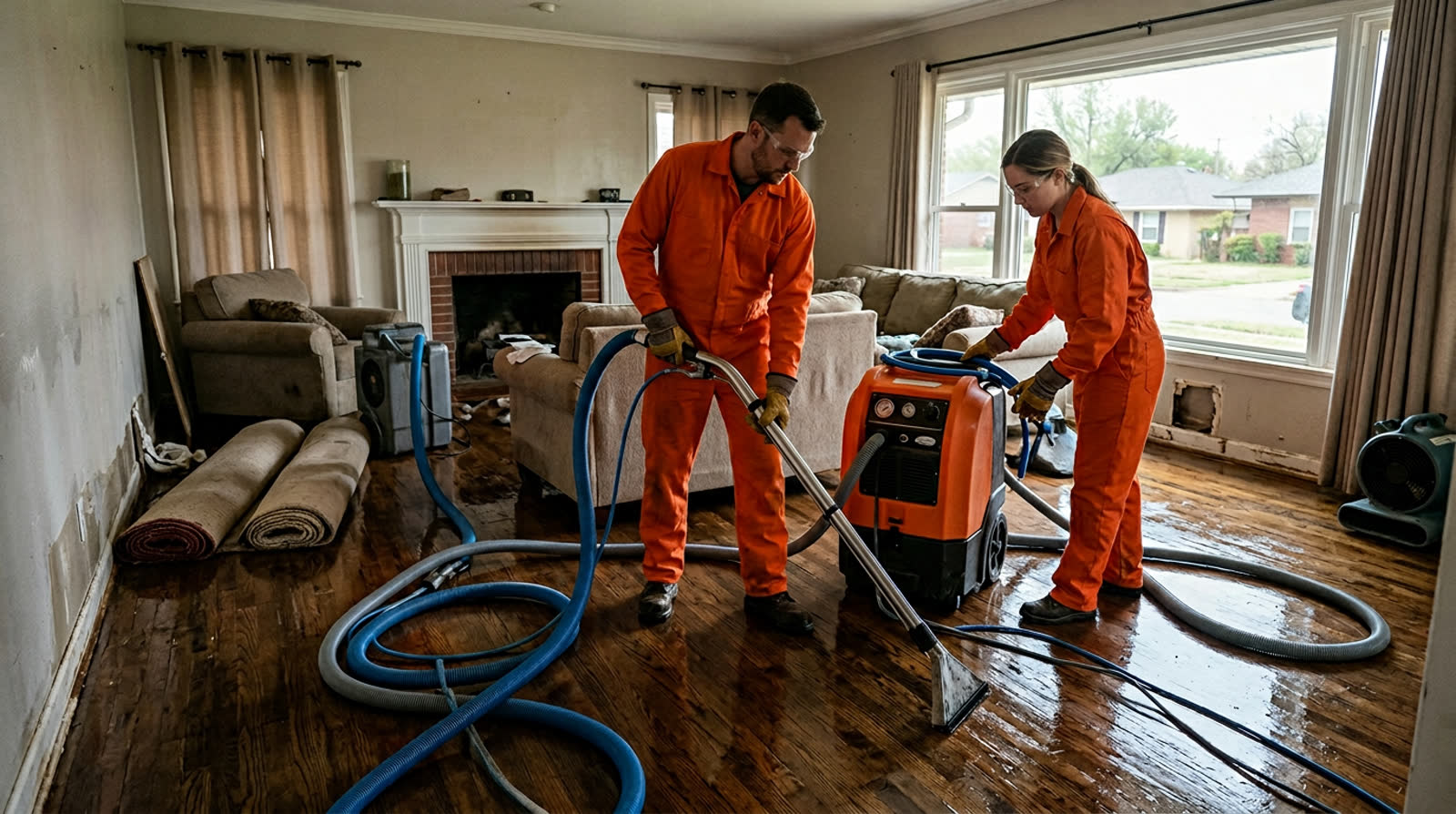
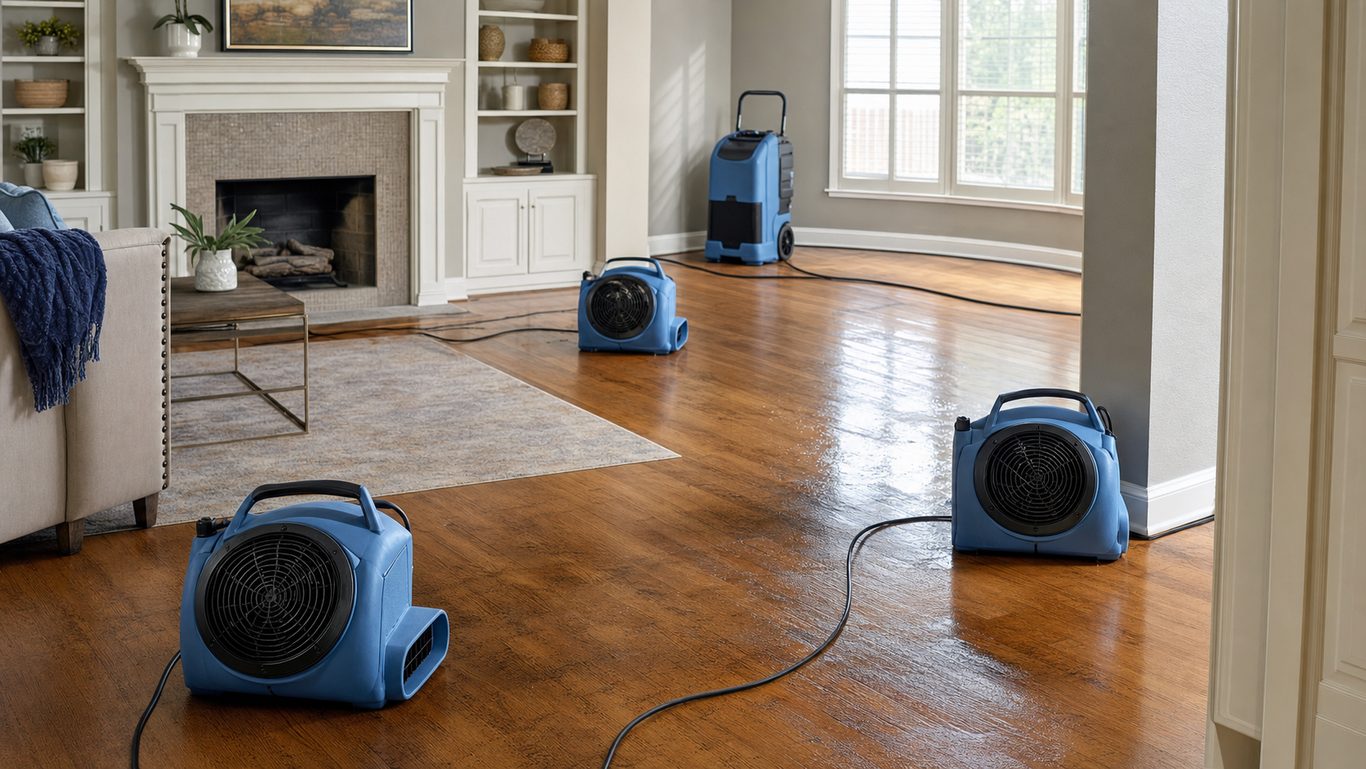
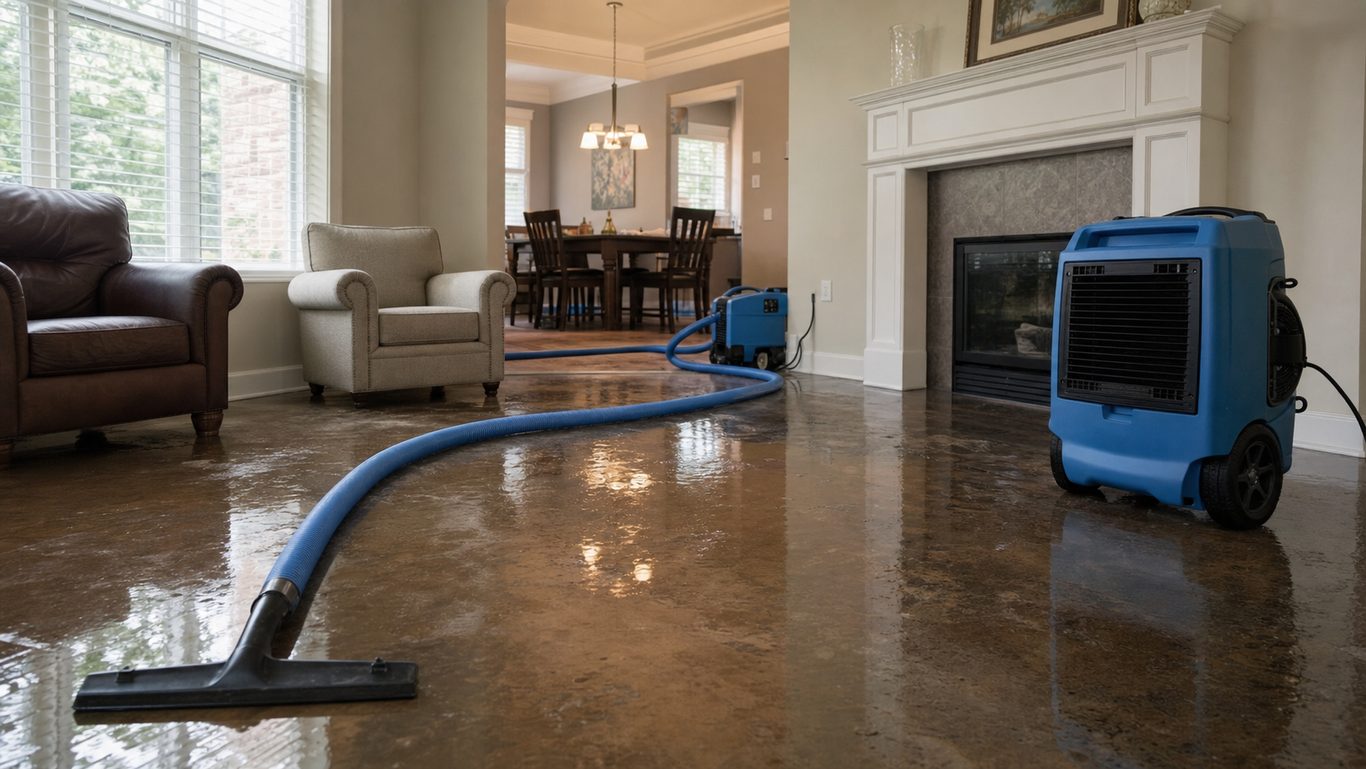
After water damage from a burst pipe or storm flooding, we begin emergency mitigation. We extract standing water, set up drying equipment, and remove unsalvageable materials. This work often starts before any adjuster visits. Mitigation costs are typically covered under your policy's emergency services provision.
We document every step with photos, moisture readings, and detailed notes. When the carrier adjuster arrives, we walk them through the affected areas and explain what we found. For example, we might show them moisture readings in wall cavities or subfloor damage that is not visible from the surface. Good documentation helps the adjuster write an accurate estimate.
If a public adjuster is involved, we provide the same documentation and cooperate fully. Public adjusters often request our scope of work and cost breakdown to include in their claim submission. We've seen this collaboration result in faster approvals and more complete settlements.
One thing we do not do: we do not act as your adjuster. We can point out damage and explain repair processes, but we do not negotiate with the insurance company on your behalf. That is the role of a public adjuster if you choose to hire one. We also cannot recommend whether you should hire a public adjuster. That decision is yours.
In our experience, the smoothest claims happen when the restoration company, the adjuster (public or carrier), and the homeowner communicate openly. We recently worked on a storm damage project in Norman where the carrier adjuster, public adjuster, and our team all met on-site. We walked through the attic, identified wind-driven rain damage to insulation and framing, and agreed on a scope. The claim settled within two weeks, and repairs started immediately.
Oklahoma Insurance Claim Laws and Your Rights
Oklahoma law protects policyholders during the claims process. Understanding your rights helps you make informed decisions about hiring a public adjuster or challenging a carrier adjuster's findings.
Prompt Payment Requirements
Oklahoma Statute 36 O.S. § 3629 requires insurers to acknowledge claims within a reasonable time and settle or deny them promptly. If your claim is unduly delayed, you may have grounds to file a complaint with the Oklahoma Insurance Department.
Appraisal Clauses
Most homeowners policies include an appraisal clause. If you and the carrier adjuster disagree on the amount of loss, either party can invoke appraisal. Each side selects an appraiser, and the two appraisers choose an umpire. The appraisers (and umpire, if needed) determine the loss amount. This is faster and cheaper than litigation.
Bad Faith Claims
Oklahoma recognizes bad faith insurance claims if an insurer unreasonably denies or underpays a valid claim. Bad faith cases are complex and require legal counsel. If you suspect bad faith, consult an attorney who specializes in insurance disputes.
Public Adjuster Contracts
Oklahoma regulates public adjuster contracts. The contract must be in writing, specify the fee percentage or amount, and include a three-day right to cancel. Read the contract carefully before signing. Ask how the fee is calculated and whether it applies to the entire settlement or only the amount above the carrier's initial offer.
Your Right to Choose Contractors
You have the right to choose your own restoration and repair contractors. Some carrier adjusters may suggest preferred vendors. You are not required to use them. You can hire any licensed, insured contractor you trust. We serve homeowners throughout the Oklahoma City metro and work with all major insurers.
If the carrier adjuster's estimate is lower than your contractor's bid, provide the contractor's detailed scope of work to the adjuster. Many times, the difference is due to missing items or outdated pricing. The adjuster can issue a supplement to cover the additional cost.
Need help now? See our full Water Damage Restoration service page or browse all restoration services. Don't see your city above? The full Oklahoma service area covers 27 cities.
Local context for this article: see our Oklahoma City, OK restoration page and the Water Damage Restoration in Oklahoma City service page.
This guide also pairs with emergency water mitigation and mold remediation when drying is missed.
Can I hire both a public adjuster and a restoration company?
Yes, you can and often should hire both. A public adjuster manages your insurance claim and negotiates the settlement. A restoration company like Statewide Restoration performs the actual mitigation and repairs. They serve different roles. The public adjuster advocates for maximum payout, while the restoration company documents damage and completes the work. Both can collaborate to ensure your claim covers the full scope of necessary repairs. Hiring a restoration company does not replace the need for a public adjuster if your claim is complex or disputed.
Authoritative resources referenced
Need restoration help in Oklahoma?
24/7 dispatch, IICRC standards, direct insurance billing.