Why HVAC Drain Pan Maintenance Matters in Yukon
Your air conditioning system pulls moisture from indoor air and collects it in a drain pan beneath the evaporator coil. In Yukon's humid summers, a single central AC unit can generate 10 to 20 gallons of condensate daily. That water needs somewhere to go. A properly functioning drain pan channels it safely outside through a condensate line.
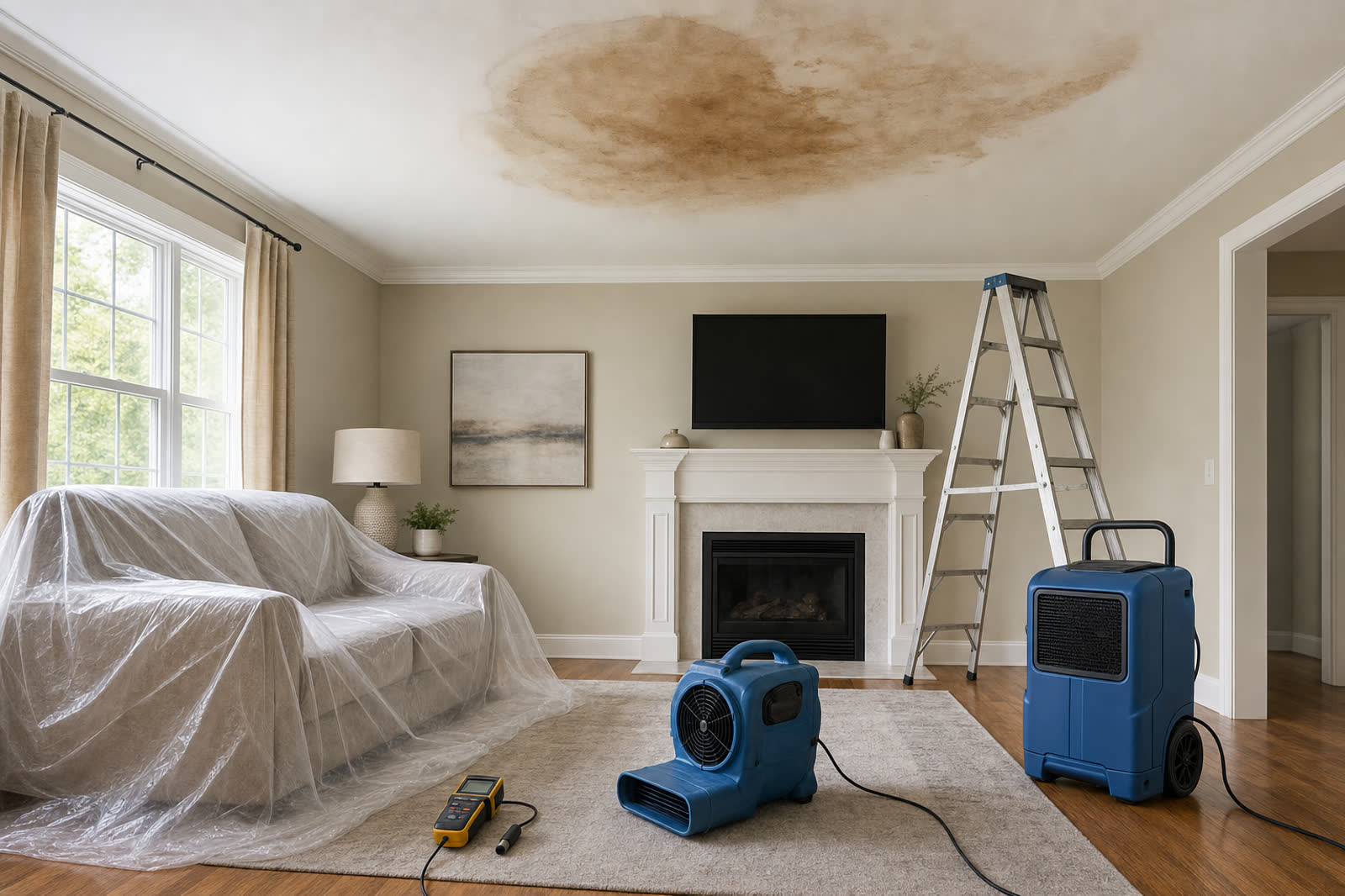
We've seen dozens of Yukon homes where neglected drain pans caused serious problems. Water overflows into attic insulation, drips through ceilings, or pools on garage floors. The damage often goes unnoticed for weeks. By the time homeowners spot a ceiling stain, the drywall and insulation above have already absorbed gallons of water.
Oklahoma's red clay soil and seasonal humidity create ideal conditions for mold when water sits in hidden spaces. Attic temperatures in summer can hit 140 degrees, which sounds like it would dry things out. But trapped moisture in insulation combined with cellulose material actually accelerates microbial growth. The financial cost of ignoring a $5 drain pan can easily reach thousands in water damage restoration and repairs.
Most Yukon homes have their air handlers in attics or garage utility closets. Out of sight means out of mind for many homeowners. Regular drain pan inspections take about 10 minutes and catch problems before water escapes the collection system. That small time investment prevents emergency calls and protects your home's structural integrity.
How Often Should You Inspect Your HVAC Drain Pan?
Inspect your HVAC drain pan at least twice per year, ideally in spring before cooling season begins and again in mid-summer during peak use. Homes with older systems, past drain line issues, or attic air handlers should check quarterly.
Spring inspections catch debris that accumulated over winter. Dust, insulation fibers, and even dead insects can clog drain lines or settle in the pan. A pre-season check ensures everything works properly before your AC runs daily. We tell Yukon customers to add this task to their April checklist, right after they replace air filters.
Mid-summer inspections verify the system handles peak condensate production. July and August push Oklahoma AC systems hardest. A drain line that functions fine in May might struggle when pulling 15 gallons daily in August heat. Catching a slow drain or partial clog in July prevents an overflow in the middle of a heat wave.
Homeowners with auxiliary or emergency drain pans (the secondary pan installed under the primary one) should check both. The auxiliary pan only catches water if the primary system fails. If you see water in that backup pan, your main drain line or primary pan has a problem that needs immediate attention.
Older homes in Yukon, particularly those built before 2000, often have metal drain pans that rust over time. These systems benefit from quarterly inspections. Once rust starts, deterioration accelerates. A small rust spot this spring can become a hole by next summer.
What Are the Warning Signs of Drain Pan Problems?
Ceiling stains below your air handler location signal drain pan overflow or a cracked pan allowing water to escape. You'll typically see discolored rings or spots on drywall, often with a slightly damp feel. The stain might be brown, yellow, or rust-colored depending on what's in the water.
Musty odors near return vents or in rooms below the air handler indicate standing water or wet insulation. Condensate that doesn't drain properly creates perfect conditions for mold and bacterial growth. The smell often appears before visible damage, giving you an early warning. Trust your nose. That stale, earthy odor isn't normal.
Water dripping from ceiling fixtures, AC vents, or attic access panels means active overflow. This constitutes an emergency. Turn off your AC system at the breaker and call for help. Continued operation will pump more water into your ceiling cavity. We've responded to Yukon homes where homeowners kept the AC running despite drips, thinking it would stop on its own. It never does.
Increased humidity inside your home despite the AC running can indicate condensate problems. If your system can't properly remove and drain moisture, indoor humidity climbs. You might notice condensation on windows, sticky air, or that clammy feeling even with the thermostat set low.
Visible rust or corrosion around the air handler cabinet, especially at the bottom, suggests chronic moisture problems. Metal cabinets show rust. Painted surfaces might bubble or flake. Wood framing near the unit can show water stains or feel soft. These signs mean water has been escaping the drain system for some time.
Step-by-Step Drain Pan Cleaning Process
Start by turning off power to your HVAC system at the breaker panel. Never work on AC equipment with power connected. Locate your air handler, which in most Yukon homes sits in the attic, garage, or a dedicated closet. You'll need a flashlight, wet-dry vacuum, old towels, and a bucket.
Remove the access panel on your air handler to expose the evaporator coil and drain pan beneath it. Some panels are held by screws, others by clips or latches. Take a photo with your phone before removing anything so you remember how it goes back together. Shine your flashlight into the drain pan area to assess the situation.
Use the wet-dry vacuum to remove standing water from the pan. Even pans that drain properly often have a small amount of water sitting in the lowest spot. Suck out all visible water first. Then use old towels to wipe down the pan bottom, removing any sludge, algae, or debris. That brown or black slime is biological growth that can eventually clog your drain line.
Inspect the pan carefully for cracks, rust holes, or separation at seams. Metal pans develop rust spots that can penetrate through. Plastic pans can crack from age or stress. Run your hand along the bottom and edges, feeling for rough spots or holes. If you find damage, the pan needs replacement. A cracked drain pan can't be reliably patched.
Pour a cup of distilled white vinegar into the drain pan and let it sit for 30 minutes. The vinegar kills algae and bacteria that form sludge. After 30 minutes, flush the drain line by pouring a gallon of clean water slowly into the pan. Watch to ensure water drains quickly. Slow drainage indicates a partial clog in the line that needs clearing.
Check the float switch if your system has one. This safety device shuts off your AC if water rises too high in the pan. Test it by carefully lifting the float mechanism. Your AC should refuse to start while the float is raised. If the system runs anyway, the safety switch has failed and needs replacement.
Common HVAC Drain Pan Failures We See in Yukon
Rust perforation in metal drain pans ranks as the most common failure in older Yukon homes. Metal pans corrode from constant exposure to condensate and Oklahoma's humid conditions. A pinhole rust leak can drip for months before anyone notices. By then, the attic insulation has absorbed significant water and the ceiling drywall shows stains. We recently worked on a home near Mustang Road where a rusted drain pan had been leaking for an estimated six months. The damage extended across 200 square feet of ceiling and required complete insulation replacement.
Clogged condensate drain lines cause overflow even with intact pans. Algae, mold, dust, and biological sludge accumulate inside the drain tubing over time. The line eventually blocks completely. Water backs up into the pan, overflows the sides, and spills into the surrounding area. PVC drain lines can also separate at joints, especially in attics where temperature swings cause expansion and contraction.
Improperly pitched drain lines prevent water from flowing out. The condensate line should slope downward continuously from the pan to the outside termination point. If installers didn't maintain proper pitch, or if settling shifted the line over time, water can't drain by gravity. It pools in the pan or at low spots in the line. Eventually the system overflows.
Missing or damaged auxiliary drain pans eliminate your backup protection. Code requires a secondary pan under air handlers installed in attics or above finished spaces. This catch pan collects overflow if the primary system fails. Many older homes in Yukon never had them installed. Others have pans that cracked or were removed during past service and never replaced.
Disconnected drain lines happen more often than you'd think. A technician servicing the unit bumps the drain line loose and doesn't reconnect it properly. Or rodents in the attic chew through plastic tubing. The pan functions perfectly, but water dumps directly onto insulation instead of flowing outside. We can't tell you how many times we've found a drain line sitting next to its connection point, not attached.
When to Replace Your Drain Pan vs. Repair
Replace any drain pan with holes, cracks that penetrate through the material, or extensive rust damage. Patching rarely works long-term. Sealants and epoxy patches may hold for a few weeks, but the combination of constant moisture, temperature cycling, and vibration from the air handler eventually causes failure. Replacement provides reliable protection.
Metal pans showing surface rust without holes can sometimes be cleaned, treated with rust converter, and monitored. But if the rust has eaten through anywhere, replacement is the only real solution. A new pan costs between $75 and $300 depending on size and material. That's far less than repairing water damage from a failed patch.
Plastic pans with stress cracks around drain fittings or mounting points need replacement. These cracks will grow. The plastic has fatigued and lost structural integrity. You might seal a small crack temporarily, but adjacent areas will soon crack as well. Don't throw good money after bad trying to save a failing plastic pan.
Secondary or auxiliary pans can often be added if your system lacks one. If your air handler sits in an attic or above finished living space, building code requires this backup protection. Adding one during routine maintenance prevents future emergencies. The pan installs beneath the air handler with its own drain line that terminates somewhere visible, like above an exterior door or window. That way you'll know immediately if the primary system fails.
Pan replacement requires shutting down your AC system, removing refrigerant lines if they block access, and often lifting or repositioning the air handler. This isn't a simple DIY project for most homeowners. The job takes specialized tools and knowledge of HVAC systems. We recommend hiring a qualified technician for pan replacement to ensure proper installation and system function.
In our experience, trying to nurse a failing drain pan through one more summer usually ends badly. The pan fails during the hottest week in July. Your AC stops working (if the safety switch functions) or water pours into your ceiling (if it doesn't). Emergency service calls cost more. Water damage adds hundreds or thousands to the bill. Proactive replacement on your schedule beats reactive repair every time.
Preventive Maintenance Tips for Yukon Homeowners
Pour a cup of distilled white vinegar down your condensate drain line every three months during cooling season. This simple step prevents algae and slime buildup that leads to clogs. Do this in April, July, and October. The vinegar kills biological growth without damaging pipes or pan materials. Some homeowners prefer commercial condensate pan tablets that slowly dissolve and prevent microbial growth. Either approach works.
Replace your HVAC air filter on schedule. Dirty filters reduce airflow across the evaporator coil, which can cause coil icing. When ice melts, the sudden water volume can overwhelm drain capacity and cause overflow. Clogged filters also allow more dust and debris into your system, including into the drain pan where it contributes to clogs. Most Yukon homes need filter changes every 30 to 60 days during heavy use seasons.
Verify your condensate drain line termination point outside. Make sure the end of the pipe hasn't been buried by landscaping, blocked by mud dauber nests, or covered by mulch. The line needs to drain freely into open air or into proper drainage. We've seen drain lines that emptied directly onto foundation soil, causing settlement problems. The water should drain away from your home's foundation.
Schedule professional HVAC maintenance annually. A qualified technician can inspect components you might miss, including the drain pan, condensate pump if you have one, and the entire drainage system. They'll clear the drain line mechanically, verify proper operation, and catch developing problems. Annual service costs $100 to $200 but prevents expensive failures. Think of it as insurance.
Keep your attic ventilated and check insulation around the air handler. Adequate ventilation reduces condensation on cold AC components and ductwork. Wet insulation from any source (roof leaks, condensation, or drain pan overflow) should be replaced promptly. Wet insulation loses R-value and becomes a breeding ground for mold. We've seen situations where homeowners ignored wet insulation for years, eventually facing major remediation projects.
Consider installing a condensate pump alarm if your system uses a pump. These devices lift water from below-grade air handlers or where gravity drainage isn't possible. If the pump fails, water backs up quickly. An alarm alerts you to pump failure before overflow occurs. The alarm costs around $50 and provides peace of mind.
Document your maintenance. Take photos of your drain pan during each inspection. Note the date and what you found. This record helps you spot gradual changes like developing rust or increasing sediment. It also provides valuable information if you need to call for water damage restoration service. We can see the system's history and better understand what failed.
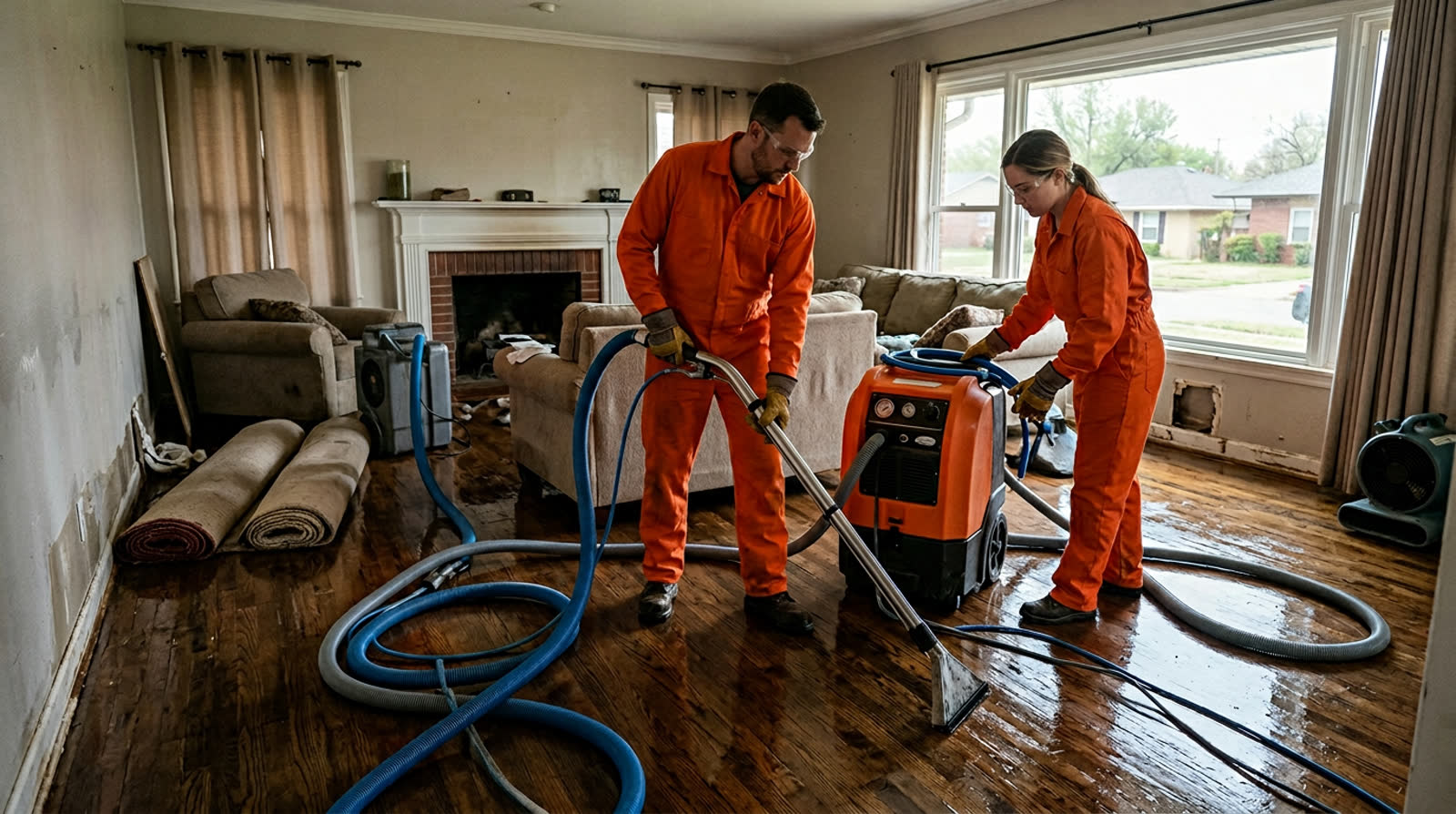
Need help now? See our full Water Damage Restoration service page or browse all restoration services. Don't see your city above? The full Oklahoma service area covers 27 cities.
Local context for this article: see our Yukon, OK restoration page and the Water Damage Restoration in Yukon service page.
This guide also pairs with emergency water mitigation and mold remediation when drying is missed.
Can I use bleach to clean my HVAC drain pan?
While bleach kills mold and bacteria, it's too harsh for regular HVAC drain pan maintenance. Bleach corrodes metal pans and can damage plastic components or rubber seals in your system. It also produces harmful fumes in enclosed spaces like attics. Distilled white vinegar provides effective cleaning and disinfection without the corrosive effects or dangerous fumes. For heavy biological growth, use a commercial condensate drain cleaner specifically formulated for HVAC systems. These products clean effectively without damaging system components. If you're dealing with visible mold growth beyond the drain pan itself, that indicates a larger moisture problem requiring professional assessment.
Authoritative resources referenced
Need restoration help in Oklahoma?
24/7 dispatch, IICRC standards, direct insurance billing.