Why Proper Documentation Protects Your Water Damage Claim
Insurance adjusters review hundreds of claims each month. The difference between a smooth approval and a denied claim often comes down to documentation quality. Your insurer needs proof of what was damaged, when it happened, and what caused it. Without clear records, even legitimate claims face delays or reduced payouts.
We've seen well-documented claims settle in weeks while poorly documented ones drag on for months. One Oklahoma City homeowner we worked with last spring had photos, receipts, and a timeline ready within hours of discovering a burst supply line. Her adjuster approved the full claim in ten days. Another client waited three weeks to call us and had already thrown out water-logged materials. That claim took two months and settled for 40% less than the actual damage warranted.
The burden of proof sits with you, not your insurance company. Adjusters work from what you provide. Assume nothing is obvious. A statement like "the whole basement flooded" means little without supporting evidence. Your documentation builds the case that validates your claim and justifies the payout you need to restore your home properly.
Oklahoma's severe weather patterns create unique documentation challenges. Tornado-driven rain, ice dam failures, and flash flooding can all cause water intrusion that requires different documentation approaches. Understanding what your policy covers and what evidence proves each type of loss will save you significant frustration during the claims process.
What Should You Photograph Immediately After Discovering Water Damage?
Photograph everything before you move or remove anything. Start with wide shots showing the entire affected area, then capture close-ups of specific damage. Include standing water depth using a ruler or tape measure in the frame. Photograph water stains on walls, saturated flooring, damaged furniture, and any visible source of the water intrusion.
Take photos from multiple angles. Capture room context shots that show which rooms connect and how water traveled through your home. If water came from above, photograph ceiling damage and the floor above. If a pipe burst, photograph the failed component and surrounding plumbing. Date stamps help, but even without them, the metadata in digital photos provides timeline evidence.
Document personal property damage individually. Open drawers and cabinets to show wet contents. Photograph clothing, electronics, documents, and furniture before moving them to dry areas. If you have collectibles, family heirlooms, or valuable items, take extra care to document their pre-loss condition if you have earlier photos available for comparison.
We recently helped a family in Edmond whose water heater failed overnight. They photographed the garage floor pooling, the drywall wicking in adjacent rooms, and the water heater's manufacture date and model number. Those photos established the timeline and validated that the 13-year-old unit had exceeded its expected lifespan. Their claim paid out within three weeks.
Don't forget exterior shots. If storm damage allowed water entry, photograph roof damage, window failures, or foundation cracks. If your sump pump failed during heavy rain, photograph the pump, the discharge line, and any visible electrical issues. Exterior context helps adjusters understand how water entered your home.
Critical Records and Information Your Insurer Will Request
Your insurance company will ask for specific documentation beyond photos. Start with your policy number, the date and time you discovered the damage, and the date and time the water intrusion likely started if different. Write down exactly what you observed and what actions you took immediately after discovery.
Gather purchase records for damaged items when possible. Receipts, credit card statements, and online order confirmations all serve as proof of value. For items without receipts, replacement cost estimates from current retailers help establish value. If you have a home inventory, provide that list with purchase dates and original costs.
Utility bills can establish baseline water usage and help prove a hidden leak existed. An unusually high water bill three months before you discovered a slab leak supports your claim that damage occurred over time. Bank statements showing payments to plumbers or prior repairs demonstrate maintenance history and diligence.
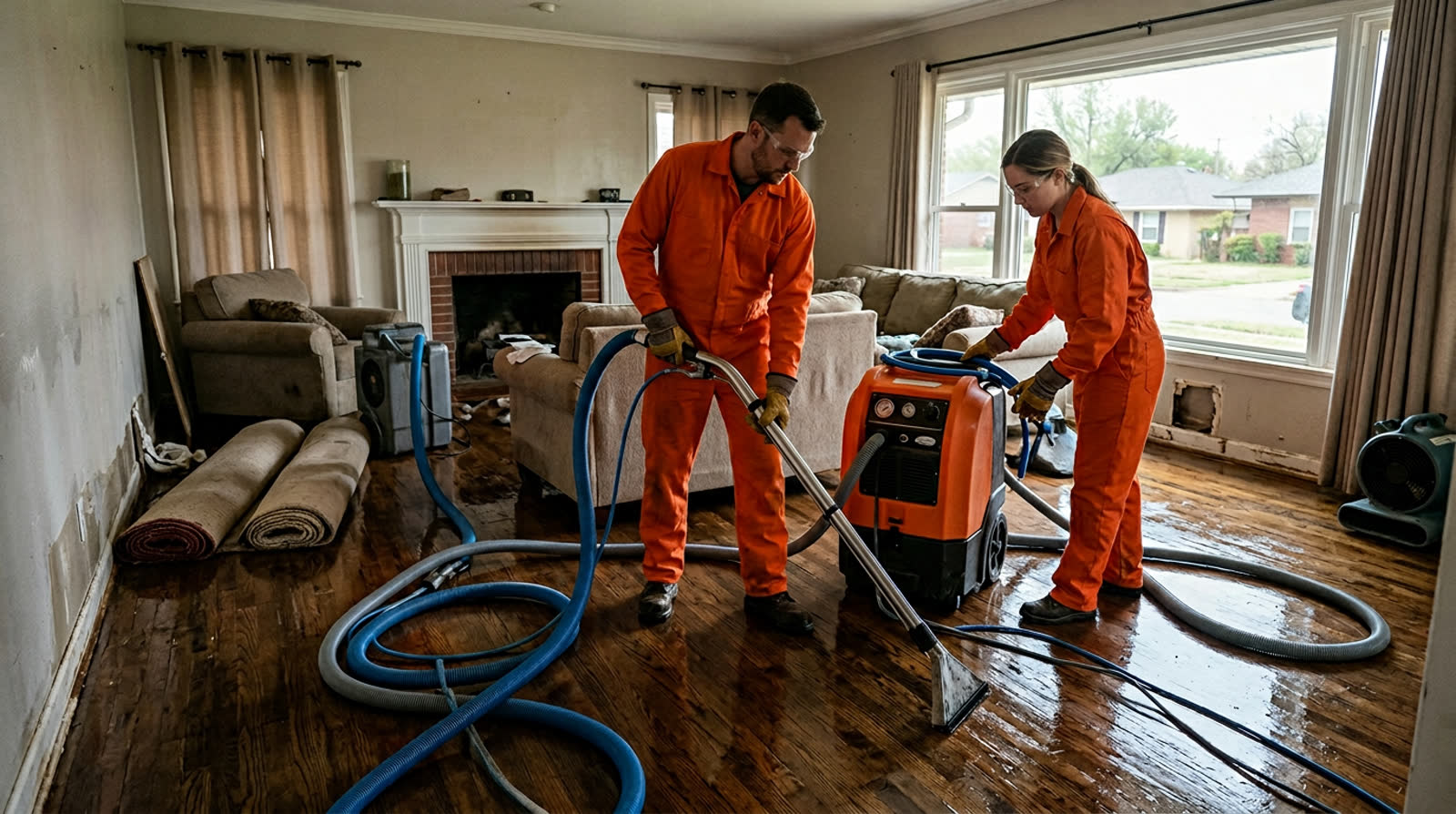
Your water damage restoration contractor should provide detailed documentation as part of their service. We give our clients moisture readings, thermal images, equipment logs, and daily progress photos. These professional records carry significant weight with adjusters because they come from trained technicians using calibrated instruments.
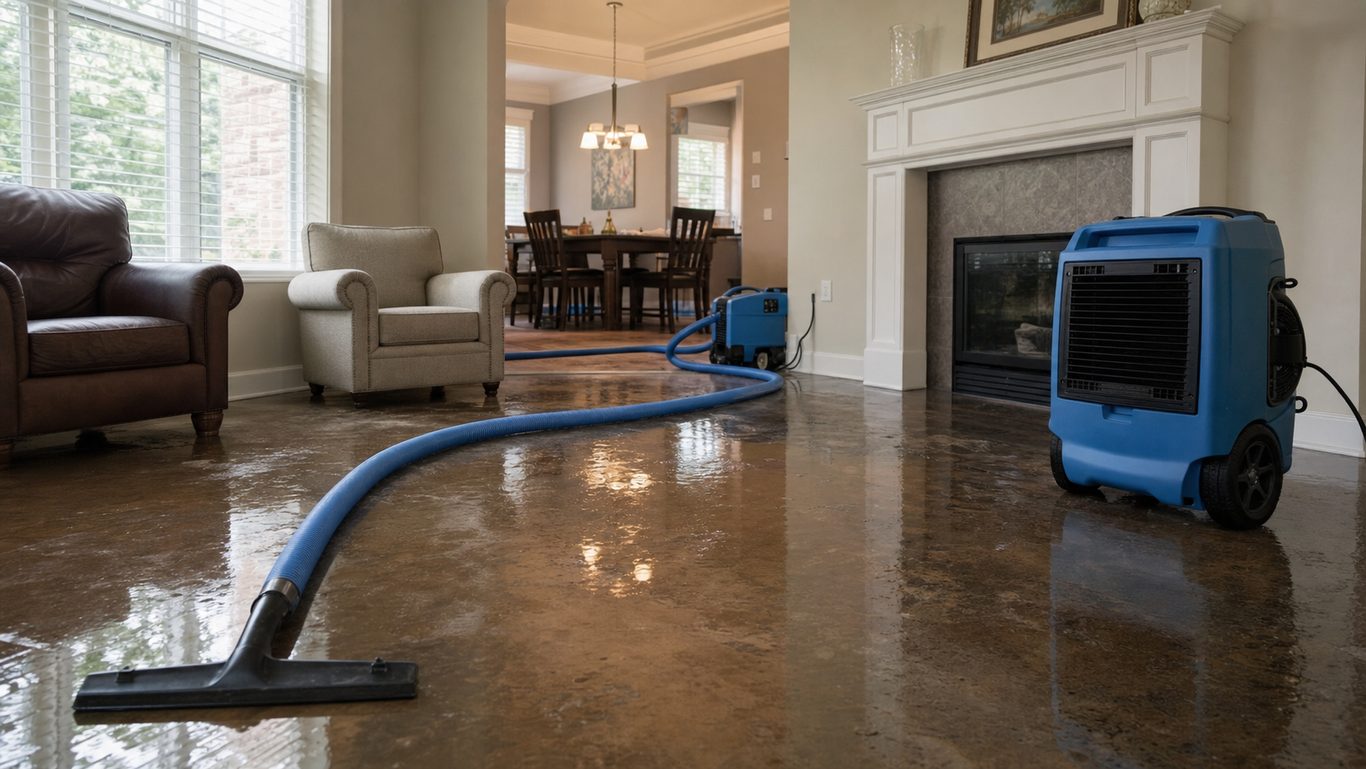
If you made temporary repairs to stop ongoing damage, save those receipts. Most policies require you to mitigate further loss. Buying a tarp to cover a roof leak or renting a wet-dry vacuum to remove standing water are reimbursable expenses. Just keep the receipts and document what you did and why.
- Policy number and coverage details
- Timeline of discovery and damage progression
- Receipts for damaged personal property
- Contractor estimates and invoices
- Mitigation expense receipts
- Utility bills showing unusual usage
- Repair history for relevant systems
- Communication records with your insurer
How Moisture Readings and Equipment Logs Support Your Claim
Professional moisture documentation provides objective evidence that satisfies insurance requirements. Infrared cameras detect hidden moisture behind walls and under floors that photos can't show. Moisture meters quantify saturation levels in wood, drywall, and concrete. These readings create a baseline that proves the extent of damage and tracks drying progress.
We use thermal imaging on every job because it reveals the full scope of water intrusion. A visible stain might cover three square feet, but the thermal camera often shows moisture extending eight or ten feet beyond what's visible. That documentation prevents under-scoping the damage and ensures you receive adequate compensation for all affected materials.
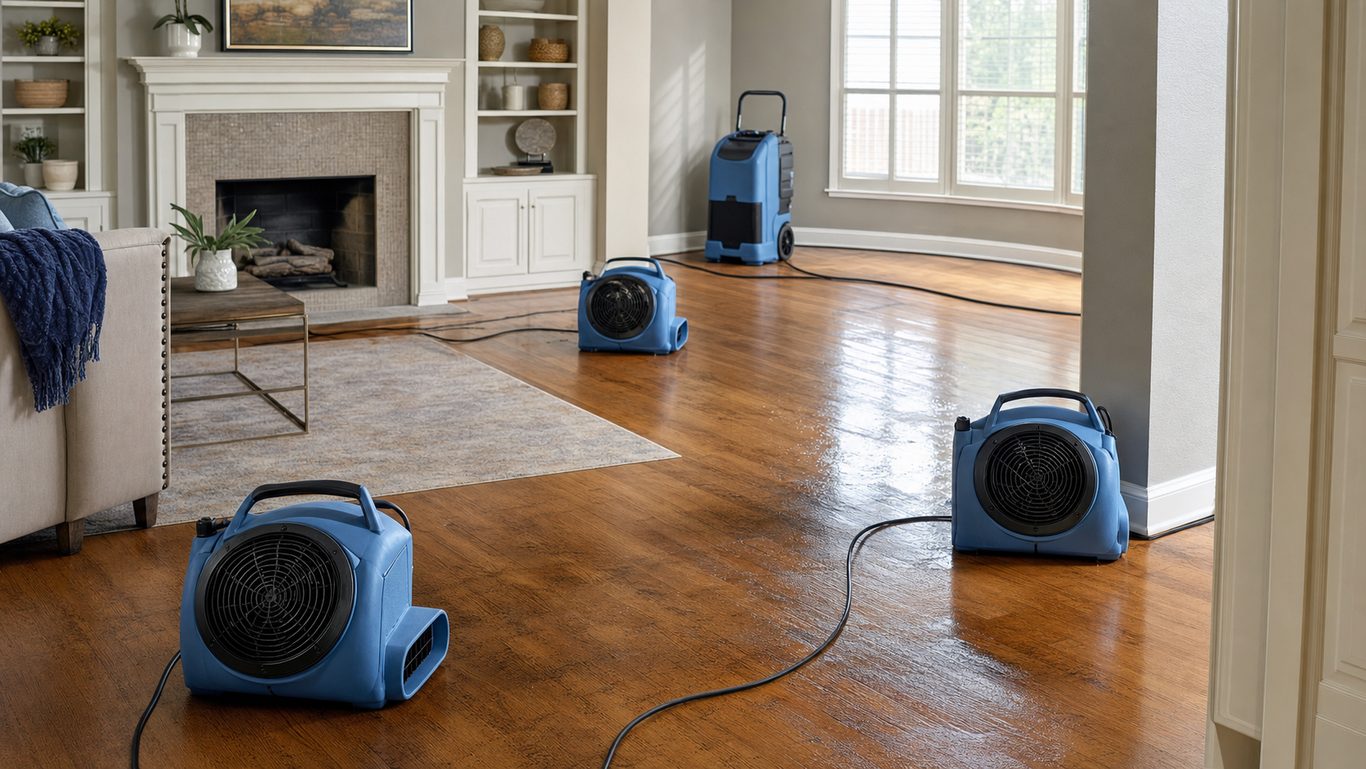
Equipment logs track what drying equipment ran, for how long, and in which areas. Dehumidifier readings show how much water was extracted from the air. Air mover placement diagrams demonstrate proper drying setup. These logs prove to your adjuster that professional mitigation occurred according to industry standards.
Daily moisture readings document drying progress and establish when materials reached acceptable moisture levels. This timeline protects you if mold develops later. If we dried your Norman home's flooded family room to standard dry levels within four days, and mold appears six weeks later, the documentation shows the mold resulted from a separate issue, not inadequate drying from the original loss.
Adjusters trust third-party professional documentation more than homeowner statements. Our equipment is calibrated, our technicians are trained, and our processes follow recognized standards. That professional validation significantly strengthens your claim file and reduces disputes over damage extent or proper remediation scope.
Common Documentation Mistakes That Delay Oklahoma Water Damage Claims
Throwing away damaged materials before documentation is the most common mistake we see. You feel urgency to remove wet drywall or soaked carpet, but premature disposal eliminates evidence. Your adjuster can't verify damage they can't see. Always photograph first, then coordinate disposal timing with your restoration contractor and adjuster.
Incomplete damage inventories create problems. Homeowners often list major items like furniture and flooring but forget to document smaller losses. Cleaning supplies under the sink, holiday decorations in storage, or tools in the garage all count. Insurance adjusters can only pay for documented losses. A thorough inventory takes time but maximizes your recovery.
Vague descriptions reduce settlement amounts. Writing "living room furniture damaged" doesn't help. List each piece: "Ashley Furniture sectional sofa, purchased 2019, $1,800" or "Samsung 55-inch 4K television, model UN55RU7100, purchased Best Buy 2020, $450." Specific details justify specific payouts.
Failing to document pre-loss condition causes disputes. If your basement already had minor foundation cracks and old carpet before the water heater leaked, photograph everything. This prevents disagreements about what damage the current loss caused versus pre-existing conditions. We're honest about this with our Tulsa clients because it protects everyone during the claims process.
Delaying professional assessment costs money. We can't always predict which materials will dry successfully and which require replacement. Waiting a week before calling a restoration company allows mold growth, wood warping, and delamination that might have been preventable. Earlier documentation captures damage in its initial state before secondary damage complicates the picture.
Missing the communication documentation matters too. Keep copies of all emails, claim numbers, adjuster names, and phone conversation notes. If your adjuster says something important, send a follow-up email confirming what you understood. This creates a paper trail that protects you if disputes arise or adjusters change mid-claim.
Working With Restoration Contractors to Strengthen Your Documentation
A qualified restoration contractor does more than extract water and set up fans. We create professional documentation that insurance companies respect and accept. Our detailed reports, moisture maps, and photo documentation complement your own records and provide technical validation your adjuster needs to approve the full scope of work.
Choose a contractor experienced with insurance claims. Companies familiar with the process know what documentation adjusters require and how to present findings effectively. We prepare estimates in formats insurance companies use, reference industry pricing guides adjusters trust, and communicate in terminology that streamlines the approval process.
Request copies of all documentation your contractor creates. You paid for this service and these records belong to you. Keep digital and physical copies of moisture readings, equipment logs, scope documents, and daily progress reports. If questions arise months later, you'll have complete records readily available.
Professional estimates provide detailed line items that justify costs. Instead of "dry structure - $3,000," a proper estimate lists specific tasks: moisture testing, content manipulation, equipment placement and monitoring, antimicrobial application, and disposal. This transparency helps adjusters understand exactly what you're paying for and why each item is necessary.
We coordinate directly with insurance adjusters when clients prefer. This streamlines communication and ensures technical questions receive accurate answers. If an adjuster questions whether hardwood can be saved or needs replacement, our moisture readings and industry knowledge provide objective answers. That professional opinion often resolves disputes without prolonged back-and-forth.
The restoration contractor's documentation also protects you long-term. If you sell your home in three years, disclosing a properly remediated water loss with complete professional documentation is far less concerning to buyers than an undocumented or DIY repair. That paper trail demonstrates the problem was addressed correctly and completely.
Oklahoma-Specific Documentation Considerations for Water Claims
Oklahoma weather creates unique documentation needs. Spring storm damage requires linking interior water intrusion to specific weather events. Pull National Weather Service data for your area showing wind speeds, rainfall totals, and storm timing. This third-party weather documentation corroborates your claim that storm conditions caused or contributed to your loss.
Tornado damage documentation needs exterior and interior coordination. Photograph roof damage, missing shingles, window failures, and siding impact points. Then document the interior water damage path. This shows the connection between covered storm damage and resulting water intrusion. We worked on a Moore home last year where clear documentation of hail-damaged roof shingles and interior ceiling water stains created an airtight claim.
Ice dam damage in Oklahoma's occasional winter storms requires specific documentation. Photograph icicles, ice buildup in gutters, and attic insulation conditions. Ice dams form when heat escapes through inadequate insulation, so your documentation might need to address whether the loss resulted from a covered peril or maintenance issues. This distinction affects coverage.
Our red clay soil causes foundation movement that can lead to plumbing failures. If a slab leak or foundation crack caused your water loss, photograph any foundation cracks, sticking doors, or floor slopes. This context helps adjusters understand that Oklahoma soil conditions contributed to pipe stress or foundation failure. Some policies cover resulting water damage even when foundation movement itself isn't covered.
Flash flooding from Oklahoma's intense thunderstorms requires careful documentation of water source. Most policies exclude flood damage but cover storm-driven rain entering through wind-damaged openings. Document the entry point clearly. Water coming through a broken window or damaged roof typically has coverage. Water rising from ground saturation typically does not.
Heat and drought periods cause soil contraction that stresses plumbing. If you're filing a claim for a burst pipe during summer drought conditions, utility bills showing normal usage patterns demonstrate the break was sudden and accidental, not the result of a long-term hidden leak. Oklahoma's seasonal extremes create documentation opportunities that support your claim narrative.
Need help now? See our full Water Damage Restoration service page or browse all restoration services. Don't see your city above? The full Oklahoma service area covers 27 cities.
Local context for this article: see our Oklahoma City, OK restoration page and the Water Damage Restoration in Oklahoma City service page.
This guide also pairs with emergency water mitigation and mold remediation when drying is missed.
Should I start cleanup before the insurance adjuster arrives?
You must mitigate ongoing damage to prevent further loss, which policies require. Remove standing water, move wet contents to dry areas, and cover openings that allow continued water entry. However, photograph everything thoroughly before moving or disposing of damaged materials. Most adjusters understand emergency mitigation and accept photo documentation for items that required immediate removal. Contact your insurer immediately and ask about their specific requirements for your situation. Professional restoration contractors can begin emergency mitigation while preserving evidence and coordinating with your adjuster's schedule.
Authoritative resources referenced
Need restoration help in Oklahoma?
24/7 dispatch, IICRC standards, direct insurance billing.