Why Do Tulsa's Older Homes Get Crawlspace Mold?
Tulsa's older homes, especially those built between the 1920s and 1970s, sit on pier-and-beam foundations that create ventilated crawlspaces underneath. These spaces were designed to let air circulate, but Oklahoma's hot, humid summers and severe storms deliver moisture faster than vintage vents can expel it. Red clay soil holds water like a sponge, and many older Tulsa neighborhoods lack proper.
We've crawled under hundreds of homes in Tulsa and seen the same pattern. Condensation forms on cool floor joists during summer. Downspouts dump rainwater too close to the foundation. Vapor barriers are missing, torn, or buried under decades of debris. Wooden beams absorb moisture, and mold colonies follow within 48 hours.
Plumbing leaks add another layer of risk. Galvanized pipes corrode, cast-iron stacks crack, and old sewer lines settle in clay soil. A slow drip under a bathroom can saturate insulation and subfloor for months before anyone notices the smell. Crawlspaces also collect leaves, cardboard, and old lumber, all organic food sources for mold spores already floating in Oklahoma air.
Inadequate ventilation is the final problem. Building codes decades ago called for one square foot of vent per 150 square feet of crawlspace. Many older Tulsa homes fall short, and vegetation or lattice work blocks existing vents. Stagnant, humid air settles in low spots and never dries out.
What Are the Warning Signs of Crawlspace Mold?
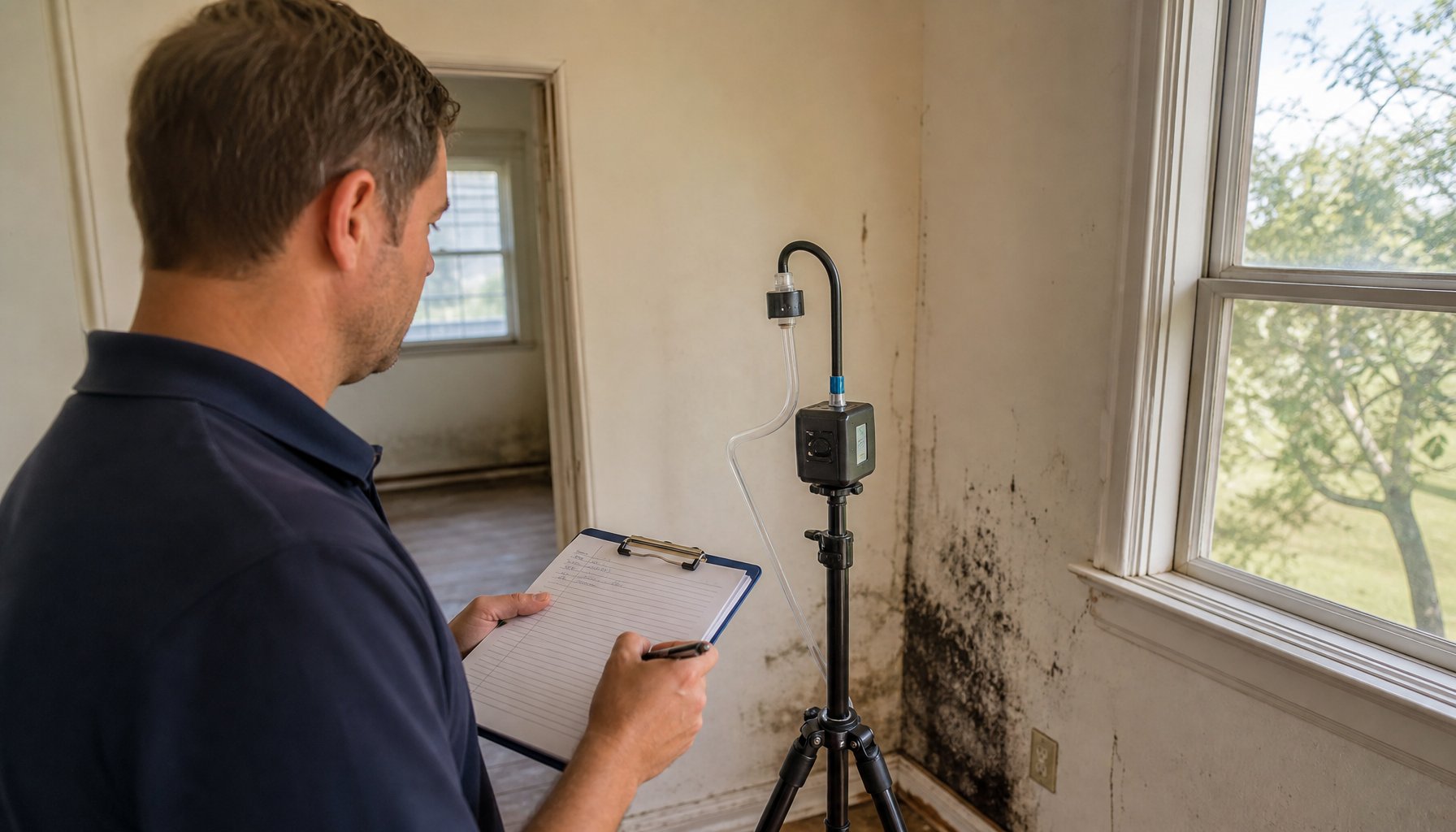
You rarely see crawlspace mold directly unless you crawl under the house. Instead, watch for indirect clues inside your living space. Musty odors that intensify in summer are the most common tip-off. The smell seeps through floor registers, gaps around plumbing penetrations, and cracks in hardwood.
Floor problems signal advanced moisture damage. Cupped hardwood, spongy vinyl, or bouncy subflooring all suggest the crawlspace below is wet. You might notice cold spots in winter or persistent humidity in certain rooms. HVAC ducts that run through the crawlspace can pull moldy air into your home and spread spores to every room.
Visible clues outside the home matter too. Standing water after rain, downspouts that terminate near the foundation, or damp lattice around the crawlspace perimeter all point to moisture intrusion. Inside the crawlspace itself, look for these red flags:
- Fuzzy growth on floor joists or subflooring
- White efflorescence on brick piers or concrete
- Sagging or discolored fiberglass insulation
- Rust stains on metal HVAC ducts
- Pooled water or damp soil
- Rotting wood or soft beams
Customers tell us they often discover crawlspace mold during a home inspection before closing. Real estate transactions in Tulsa frequently pause for remediation, especially in neighborhoods like Brookside or Maple Ridge where older housing stock dominates.
How Does Oklahoma Law Regulate Mold Inspection and Remediation?
Oklahoma does not license mold remediation at the state level, but Title 15 O.S. Section 765.4 does impose one critical rule. If the combined cost of mold inspection and remediation exceeds $200, the same company cannot perform both services. This consumer protection law requires separate contracts and prevents conflicts of interest.
In practice, most homeowners hire an independent mold inspector first. The inspector tests air and surface samples, identifies species, and writes a remediation protocol. That report goes to a restoration company like Statewide Restoration, which follows the protocol and documents the work. A post-remediation inspection by the original inspector verifies clearance.
This separation protects you from inflated scopes of work. An inspector has no financial incentive to recommend unnecessary tear-out if they don't profit from the remediation. We've worked with dozens of independent inspectors across our service area and appreciate the clarity their reports provide.
Understand that some minor mold situations fall under the $200 threshold. Cleaning a small patch of surface mold on a single joist might cost less, allowing one company to inspect and treat. But crawlspace projects in older Tulsa homes rarely stay that small once you account for containment, disposal, and moisture control upgrades.
What Does Professional Crawlspace Mold Remediation Involve?
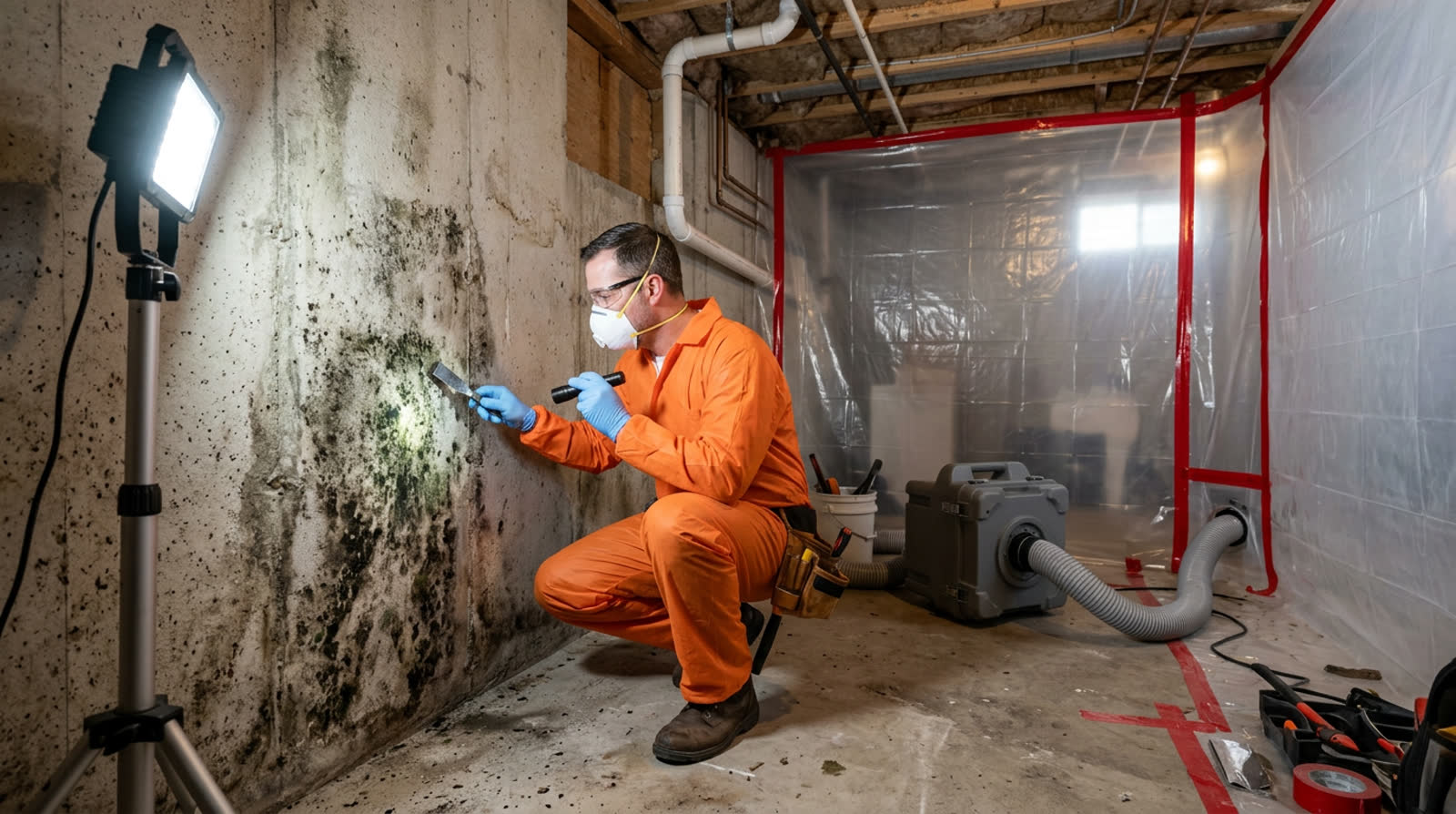
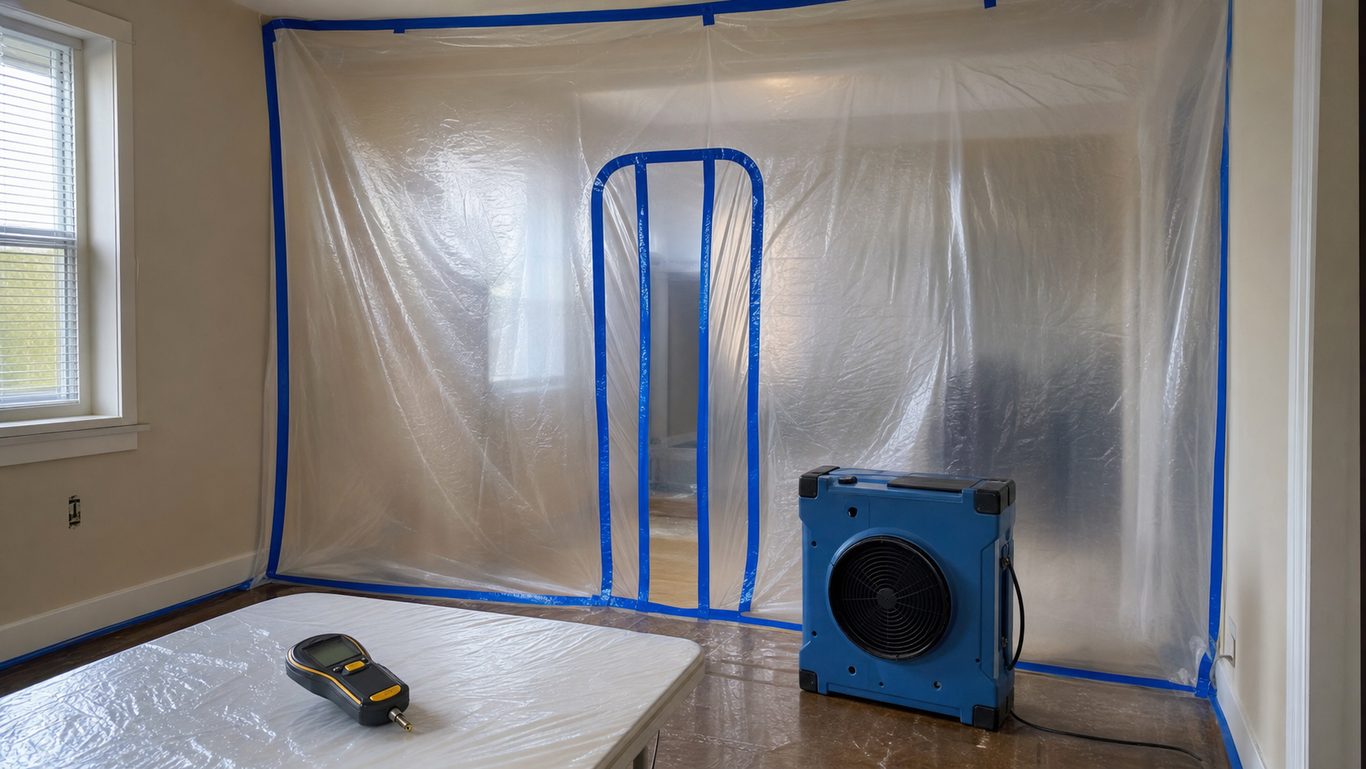
Professional remediation starts with containment. We seal off the crawlspace from the living area using plastic sheeting over floor vents and access doors. Negative air machines with HEPA filters create lower pressure in the crawlspace, preventing spores from migrating upward during the work.
The remediation protocol dictates what gets removed and what gets cleaned in place. Porous materials like fiberglass insulation, cardboard vapor barriers, and rotted lumber almost always require disposal. Non-porous surfaces such as concrete piers, PVC plumbing, and metal ducts can often be wire-brushed, HEPA-vacuumed, and treated with antimicrobial solutions.
We bag and remove contaminated materials through exterior access to avoid tracking spores through the home. Disposal follows local waste guidelines, and we document every load. HEPA vacuums capture fine particulate from joists, beams, and subfloors. Antimicrobial foggers or sprays treat remaining wooden structures.
Moisture control comes next. We identify and fix the water source, whether that's regrading soil, extending downspouts, repairing plumbing leaks, or installing sump pumps. A 6-mil or thicker polyethylene vapor barrier goes down over the crawlspace floor, sealed at seams and anchored at piers. Some projects require perimeter French drains or exterior waterproofing.
Ventilation adjustments complete the job. Older homes in Tulsa might need additional foundation vents or, paradoxically, encapsulation with conditioned air from the HVAC system. Encapsulation seals the crawlspace entirely, treats it as conditioned space, and prevents outside humidity from entering. This approach works well in Oklahoma's climate but requires careful design.
Post-remediation verification involves another round of air and surface sampling by the original inspector. Clearance testing confirms spore counts have returned to normal background levels. Only then do we remove containment barriers and restore access.
Can You Remove Crawlspace Mold Yourself?
Small surface mold on a single joist or beam can be a DIY project if you have the right safety gear and the total affected area is under 10 square feet. You'll need an N95 or P100 respirator, goggles, gloves, disposable coveralls, and a HEPA vacuum. Scrub non-porous surfaces with detergent, bag porous materials, and address the moisture source immediately.
Most crawlspace mold in Tulsa's older homes exceeds DIY scope. Widespread growth across multiple joists, contaminated insulation, or unknown plumbing leaks require professional assessment. Disturbing mold without containment spreads spores throughout your home. Improper cleaning leaves roots intact, and regrowth appears within weeks.
We've seen homeowners attempt remediation, miss hidden colonies behind vapor barriers or inside ductwork, and end up paying twice for the same job. Another common mistake is treating mold without fixing the moisture problem. You can bleach every joist, but if condensation or groundwater keeps wetting the space, new growth starts immediately.
Oklahoma's humidity also makes timing critical. Summer projects require dehumidification during and after remediation. Winter freezes can burst pipes and create new leaks. Spring storms flood crawlspaces faster than fans can dry them. Professional crews coordinate weather, equipment, and access to complete the job during favorable conditions.
There's also the legal question of disclosure. If you sell your Tulsa home and the buyer's inspector finds mold you treated yourself without documentation, you may face claims of concealment. Professional remediation provides third-party verification, written protocols, and clearance testing that protect you during transactions.
How Much Does Crawlspace Mold Removal Cost in Tulsa?
Industry estimates for crawlspace mold remediation in Tulsa range from $1,500 to $6,000, depending on square footage, contamination severity, and required repairs. Small projects under 500 square feet with surface mold only might cost $1,500 to $2,500. Larger crawlspaces or heavy contamination requiring full insulation removal and structural treatment can reach $4,000 to $6,000.
These figures cover remediation labor and materials but exclude the initial independent inspection (typically $300 to $600), post-remediation clearance testing ($200 to $400), and moisture control improvements. If you need French drains, sump pumps, or plumbing repairs, add another $1,000 to $5,000 depending on scope.
Encapsulation, where we seal the entire crawlspace and condition the air, runs $3,000 to $8,000 for an average Tulsa home. This investment includes vapor barriers, sealed vents, insulation on foundation walls, and sometimes a dedicated dehumidifier. Encapsulation prevents future mold and improves energy efficiency, so many homeowners view it as an upgrade rather than pure remediation expense.
Insurance coverage varies. Standard homeowner policies in Oklahoma often exclude mold unless it results from a covered peril like a sudden pipe burst. Gradual leaks, condensation, and maintenance issues typically fall outside coverage. Read your policy and ask your agent before assuming a claim will pay. We provide detailed invoices and documentation to support any claim you file.
We can't give exact quotes without inspecting your specific crawlspace. Every older Tulsa home has unique challenges, from pier spacing to joist condition to access constraints. We do offer free assessments and written estimates before starting any mold remediation work.
Oklahoma soil conditions play a direct role in crawlspace mold costs for Tulsa homeowners. The expansive clay soil common throughout the region swells when wet and shrinks during dry spells, which can crack foundation walls and create entry points for groundwater. If your older home shows foundation cracks wider than a quarter inch, budget an extra $800 to $3,000 for crack injection or partial foundation repair before mold remediation begins. We often find that homes built before 1970 lack adequate gravel beds under the crawlspace floor, so water pools directly on bare dirt. Adding a four-inch gravel layer and regrading the crawlspace floor adds $600 to $1,800 to the project but prevents recurring moisture problems.
Tulsa's spring storm season from April through June brings heavy rainfall that saturates soil around foundations. Homes in older neighborhoods near Riverside or Midtown often sit in low-lying areas where drainage was never engineered to modern standards. If your crawlspace floods even once during storm season, expect the timeline for remediation to extend by several days. We need the space completely dry before we can remove contaminated materials. Temporary dehumidification alone can take three to five days when humidity levels spike above 70 percent, which is typical after prolonged rain events.
Most Tulsa mold remediation projects in crawlspaces take three to seven days from start to clearance testing. Day one involves containment setup and removal of damaged insulation or porous materials. Days two and three cover antimicrobial treatment and HEPA vacuuming of all surfaces, including floor joists and subfloors. We then allow 24 to 48 hours for treated surfaces to dry completely before clearance testing. If you choose encapsulation afterward, add another two to four days for vapor barrier installation, vent sealing, and dehumidifier setup.
One cost factor specific to older Tulsa homes involves knob-and-tube wiring or outdated electrical work in crawlspaces. Remediation crews cannot work safely around exposed or deteriorated wiring. If an electrician needs to update or relocate circuits before mold work begins, plan for $500 to $2,000 in electrical costs and a delay of one to three days. Homes built before 1950 in areas like Maple Ridge or Swan Lake frequently require this step, and the expense catches many homeowners off guard during initial walkthroughs.
How Can You Prevent Crawlspace Mold After Remediation?
Prevention starts with controlling groundwater and surface drainage. Extend downspouts at least six feet from the foundation. Regrade soil to slope away from the house at one inch per foot for the first six feet. Install French drains around the perimeter if your lot doesn't drain naturally. These steps keep Oklahoma's heavy rains from pooling under your home.
Maintain a continuous vapor barrier over the crawlspace floor. Inspect it annually for tears, gaps, or pest damage. Overlap seams by 12 inches and seal with contractor tape. Secure edges to piers and foundation walls. A good vapor barrier blocks moisture rising from red clay soil and reduces humidity by 30 to 50 percent.
Ensure adequate ventilation or commit to full encapsulation. If you keep vents open, check that one square foot of net free vent area exists per 150 square feet of crawlspace. Trim vegetation away from vents and replace damaged screens. If you encapsulate, monitor the dehumidifier and replace filters as recommended.
Fix plumbing leaks immediately. Older Tulsa homes have aging supply lines, drain traps, and sewer stacks that corrode or separate. Annual inspections by a licensed plumber catch small drips before they saturate insulation. Insulate cold water pipes to prevent condensation during summer.
Monitor indoor humidity with a hygrometer. Keep levels between 30 and 50 percent year-round. Run bathroom and kitchen exhaust fans during showers and cooking. Service your HVAC system annually and replace filters every three months. Clean ducts if they run through the crawlspace and show visible dust or odor.
Schedule an annual crawlspace inspection. Shine a flashlight on joists, check for standing water, smell for mustiness, and look at your vapor barrier. Catching moisture problems early prevents mold from reestablishing. We offer maintenance inspections in Tulsa and surrounding areas to give homeowners peace of mind.
Need help now? See our full Mold Remediation service page or browse all restoration services. Don't see your city above? The full Oklahoma service area covers 27 cities.
Local context for this article: see our Tulsa, OK restoration page and the Mold Remediation in Tulsa service page.
This guide also pairs with water damage restoration that prevents mold from forming and water mitigation inside the 72-hour window.
Do I need to move out during crawlspace mold remediation?
Most crawlspace remediation projects allow you to stay in the home. We seal the crawlspace from living areas with plastic sheeting and negative air pressure, preventing spore migration. If your HVAC ducts run through the crawlspace and show heavy contamination, we may recommend temporary relocation or turning off the system during active work. Projects typically take two to five days, and we coordinate schedules to minimize interruption. Pets and individuals with respiratory conditions should avoid the area during containment setup and tear-out.
Authoritative resources referenced
Need restoration help in Oklahoma?
24/7 dispatch, IICRC standards, direct insurance billing.