What Is Contents Pack-Out During Water Damage Restoration?
Contents pack-out means physically removing your household items from a water-damaged area and storing them elsewhere while restoration work happens. A restoration crew documents each item, photographs it, packs it safely, transports it to a climate-controlled warehouse, and returns everything once repairs finish. This keeps your belongings safe from secondary damage, mold growth, construction dust, and equipment traffic during the.
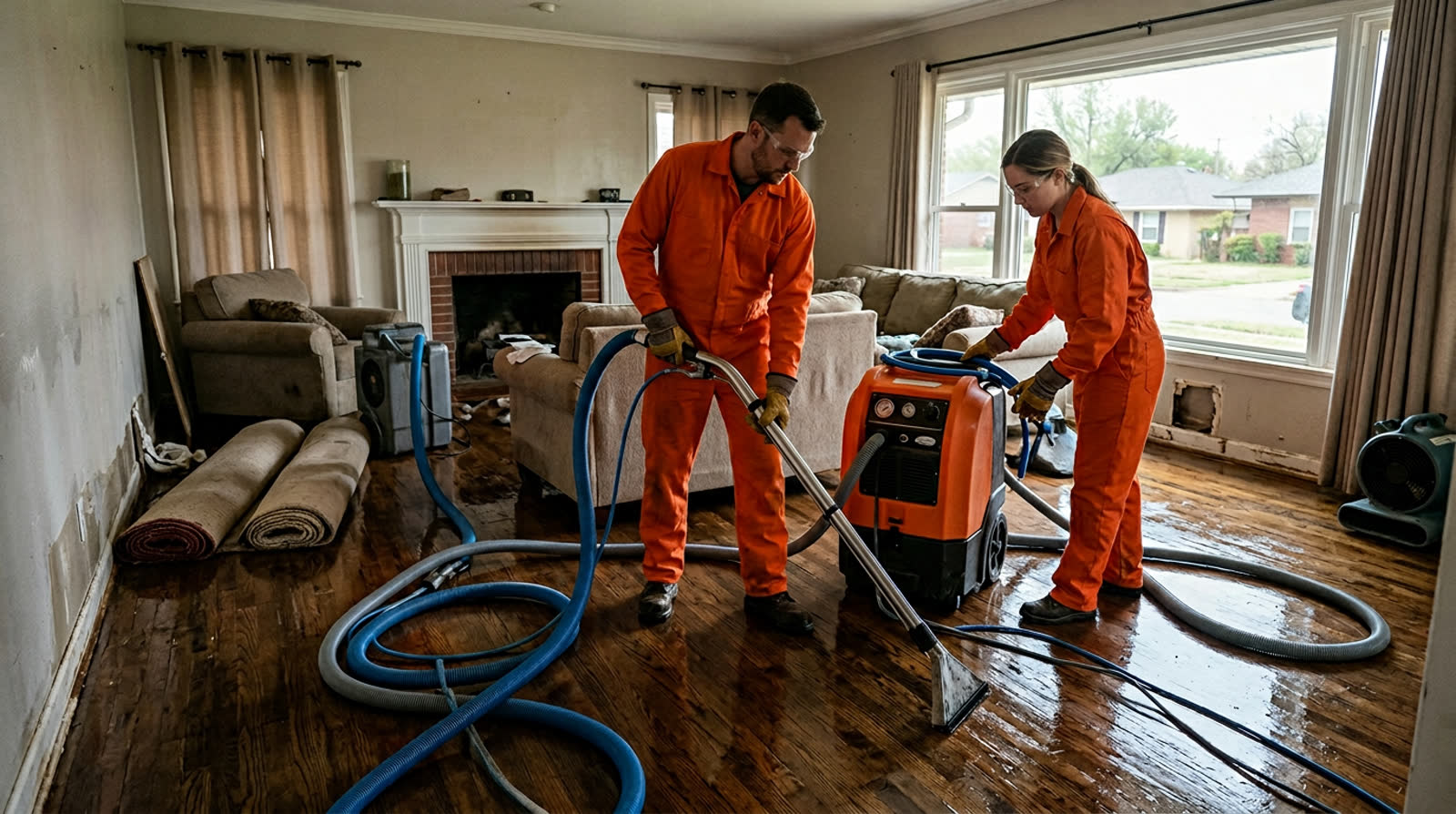
Most pack-outs happen in Tulsa homes after severe flooding, sewage backups, or major plumbing failures. If multiple rooms need intensive drying, flooring removal, or wall demolition, leaving furniture and personal items in place creates obstacles and risks further damage. We've seen expensive leather sofas ruined by sitting in damp rooms for days, and electronics corroded by high humidity during the drying cycle.
The process starts with a detailed inventory. Every item gets tagged, photographed, and logged into a tracking system before leaving your home. You receive a complete list, often with digital photos, so you know exactly what went where. This documentation also helps with insurance claims. Your adjuster needs proof of what was affected and what condition items were in before restoration began.
Pack-out isn't always necessary. If water damage stays confined to one bathroom or a small area, crews can often move contents to another room in your house. But when water spreads across living rooms, bedrooms, or entire floors, off-site storage becomes the practical choice. Tulsa homes built on slab foundations can face widespread water intrusion from slab leaks or storm flooding, making pack-out services necessary for protecting belongings during multi-week restoration projects.
When Does Your Tulsa Home Need a Full Pack-Out?
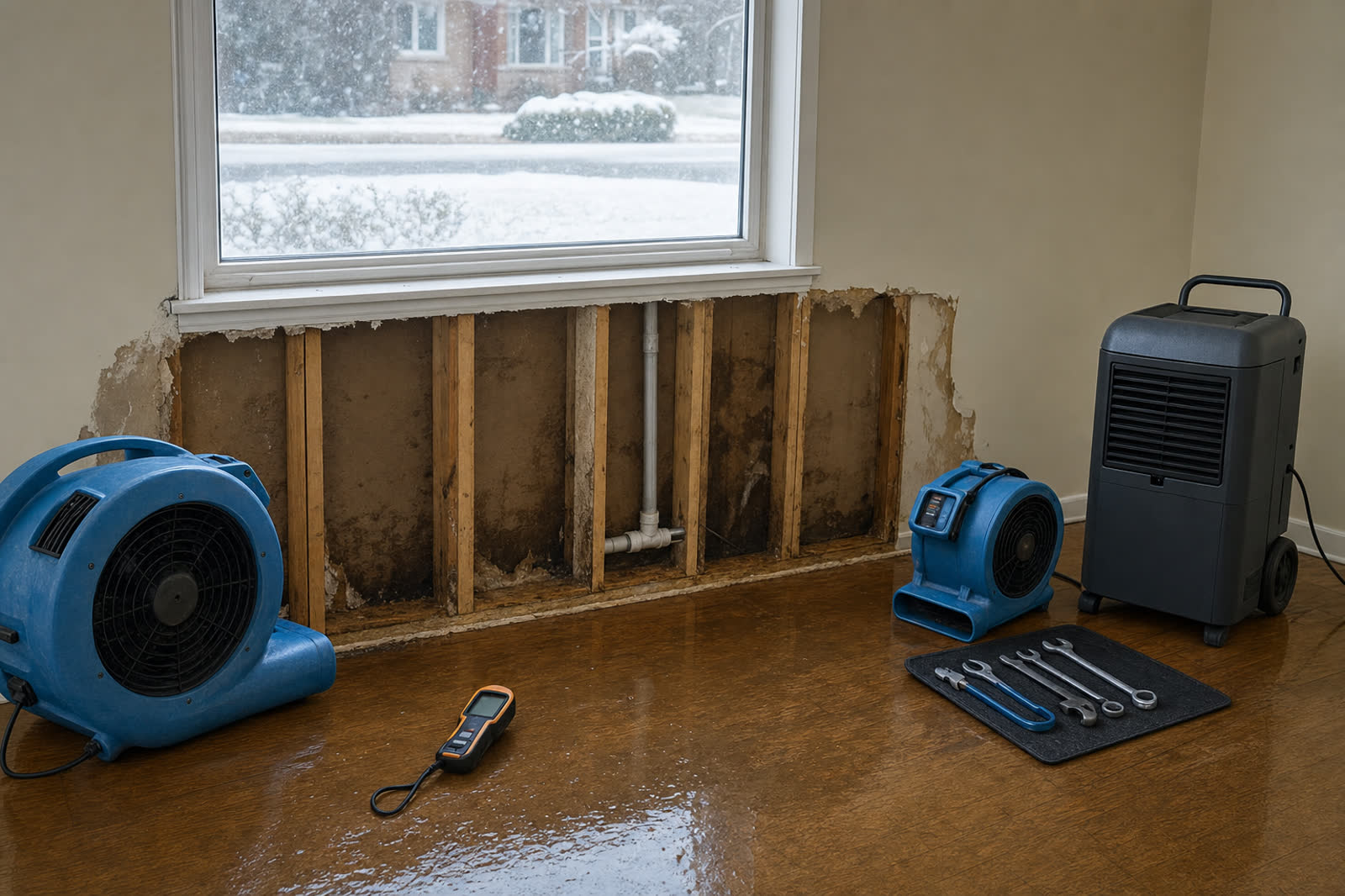
You need a full pack-out when water damage affects multiple rooms or the entire home. Restoration equipment like air movers, dehumidifiers, and drying mats require open floor space to work effectively. Furniture and belongings block airflow and trap moisture underneath, slowing the drying process and increasing mold risk.
Category 3 water damage (sewage, toilet overflow, or floodwater) almost always requires pack-out. These situations involve contaminated water that can spread bacteria and pathogens to porous materials. Clothing, upholstery, mattresses, and curtains touched by sewage water need immediate removal for specialized cleaning or disposal. Leaving contaminated items in place creates health hazards for both you and the restoration crew working in your Tulsa home.
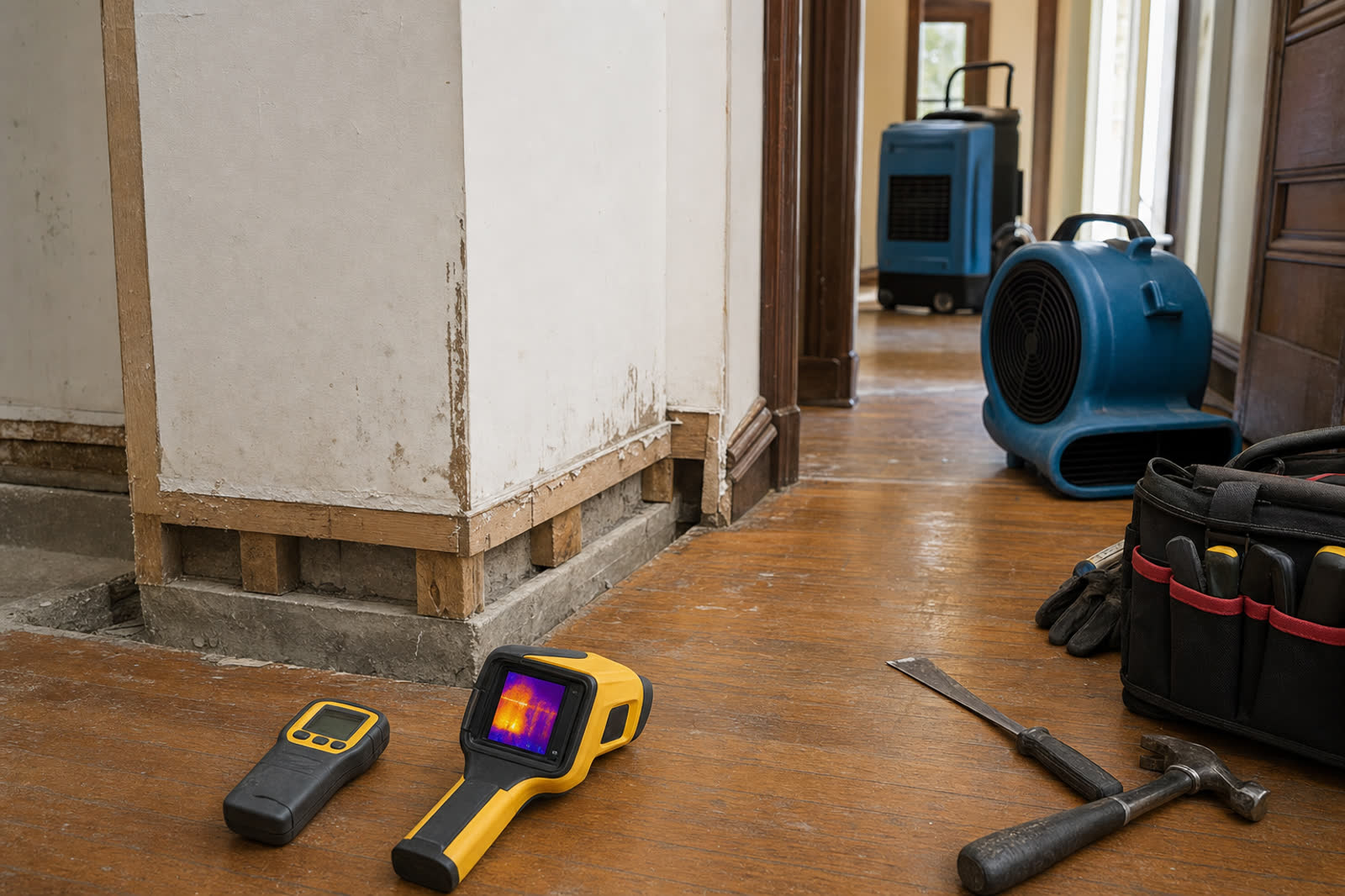
Extensive demolition also triggers pack-out needs. If crews must remove drywall, baseboards, or flooring in occupied spaces, the dust and debris will coat everything nearby. We recently handled a whole-house pack-out in south Tulsa after a water heater failure flooded the main level. The homeowner initially wanted to leave bedroom furniture in place, but once we explained that carpet removal and subfloor drying would take two weeks, they agreed to temporary storage.
Insurance companies sometimes require pack-out for liability reasons. If your policy includes additional living expenses (ALE), they may prefer you move out during major restoration work. Pack-out protects your belongings and creates a safer, more efficient job site. Technicians can work faster without working around furniture, and you avoid the noise, odors, and interruption of heavy-duty drying equipment running day and night.
Here are common situations that call for contents pack-out:
- Water damage covering more than 500 square feet
- Sewage backups or toilet overflows affecting multiple rooms
- Flood water entering the home from outside
- Major plumbing failures requiring extensive demolition
- Mold remediation projects needing containment barriers
- Homeowner temporarily relocating during restoration
How the Pack-Out Process Works Step by Step
The pack-out process starts with a walkthrough and assessment. A project manager visits your Tulsa home to evaluate which rooms need pack-out, what items can stay, and what requires special handling. Antiques, artwork, electronics, and important documents get flagged for extra care. The team creates a work plan and timeline, usually scheduling pack-out within 24 to 48 hours of the initial water damage call.
On pack-out day, the crew arrives with boxes, packing materials, labels, and inventory software. They photograph each room before touching anything. Then they begin packing items by room and category. Clothing goes into wardrobe boxes or bins. Dishes get wrapped individually. Electronics receive anti-static packaging. Every box and item gets a unique tag number linked to your inventory file.
As items get packed, they're loaded into a climate-controlled truck and transported to a secure storage facility. Temperature and humidity stay regulated to prevent mold, warping, or corrosion. Your inventory list goes with you, and you can request specific items back if you need something before the job finishes. We've had customers ask for seasonal clothing, work documents, or kids' school supplies mid-project, and we deliver those items the same day.
Once restoration completes, the crew schedules pack-back. They return everything to your home, unpack it, and place items where you direct. You check the inventory list and confirm all tagged items made it back. The goal is to return your home to pre-loss condition, with your belongings clean, dry, and exactly where they belong.
Some items can't be packed out safely. Hazardous materials like paint, propane, or cleaning chemicals stay behind or get disposed of properly. Plants usually don't survive extended storage. Perishable food gets thrown out immediately after water damage. The crew will walk you through what stays and what goes during the initial assessment.
What Items Get Cleaned and Stored During Pack-Out?
Almost everything in your home can go through pack-out, but different items need different handling. Soft goods like clothing, bedding, curtains, and towels often go to a textile cleaning facility if they contacted water. Dry cleaning or ozone treatment removes odors and kills bacteria. Items stored in closets or dressers away from direct water contact usually just need inspection and.
Furniture gets wrapped in protective padding and stored upright or flat depending on size. Leather, wood, and upholstered pieces receive individual attention. Water-damaged upholstery may need extraction and antimicrobial treatment before storage. Wood furniture gets checked for swelling or finish damage. We've salvaged antique dressers and dining sets for Tulsa families by drying them slowly in controlled conditions, preventing cracking or warping.
Electronics and appliances require careful evaluation. Wet electronics shouldn't be powered on until a technician inspects them. Corrosion starts within hours if moisture gets inside devices. Televisions, computers, gaming systems, and small appliances get packed in anti-static materials and stored in low-humidity areas. Some items may need professional electronic restoration, which we coordinate through specialty vendors.
Important documents, photos, and artwork need special handling. Water-damaged paper can mold quickly. We use freeze-drying or air-drying techniques depending on the item's value and condition. Family photos often hold irreplaceable memories, so we treat them as high-priority items. Artwork and collectibles get cataloged separately and stored with extra protection.
Kitchen items, dishes, and pantry goods get sorted. Sealed packaged foods usually survive if they stayed dry. Open containers or anything contacted by water gets discarded. Dishes, pots, and utensils go through cleaning and sanitizing before repacking. We recently packed out a Broken Arrow kitchen after a dishwasher leak flooded the entire first floor. The homeowner was amazed we returned every spice jar and utensil exactly as it was before the incident.
Items that typically go through pack-out:
- Clothing, shoes, and accessories in affected areas
- Furniture including sofas, beds, and tables
- Electronics like TVs, computers, and stereos
- Kitchen items, dishes, and small appliances
- Books, photos, and important documents
- Decor, artwork, and collectibles
- Toys, games, and hobby equipment
- Seasonal items and storage box contents
Contents Pack-Out Costs and Insurance Coverage in Tulsa
Pack-out costs depend on how many items need moving and how long storage lasts. Restoration companies typically charge by the item, by the box, or by the room. Industry estimates run between $3,000 and $10,000 for a full-house pack-out and pack-back, though smaller projects cost less. Storage fees accrue monthly if restoration takes longer than expected. Always ask for a written estimate before work begins.
Most homeowner insurance policies cover contents pack-out as part of water damage claims. Your policy likely includes coverage for protecting property from further loss, which is exactly what pack-out does. The insurance adjuster reviews the pack-out estimate along with other restoration costs and approves it if reasonable and necessary. Keep all receipts, inventory lists, and invoices for your claim file.
Some policies have limits on contents storage duration or total costs. Review your coverage with your agent before authorizing pack-out. If your restoration takes six weeks but your policy only covers four weeks of storage, you might pay the difference out of pocket. In our experience, most adjusters extend storage timelines if delays come from necessary construction work or material availability issues common in Tulsa's competitive building market.
You can reduce costs by packing some items yourself if time allows. Non-fragile belongings in undamaged areas might not need professional packing. But don't touch anything in contaminated zones or items your insurance company needs documented. Adjusters prefer professional inventory for claim purposes. We've seen homeowners lose coverage because they moved items before the adjuster photographed the scene.
Ask about content cleaning costs separately. Some companies include basic cleaning in pack-out fees. Others charge extra for textile cleaning, electronics restoration, or document recovery. Get a complete breakdown so you know what your insurance will cover and what might fall under your deductible. If you need water damage restoration services across the Oklahoma service area, understanding these costs upfront prevents surprises later.
Protecting Your Belongings Until Restoration Crews Arrive
The time between discovering water damage and pack-out can be critical. You can take steps to protect belongings immediately after a water event in your Tulsa home. Move small items like electronics, documents, and valuables to a dry area if you can do so safely. Don't enter standing water or rooms with electrical hazards. Your safety comes first.
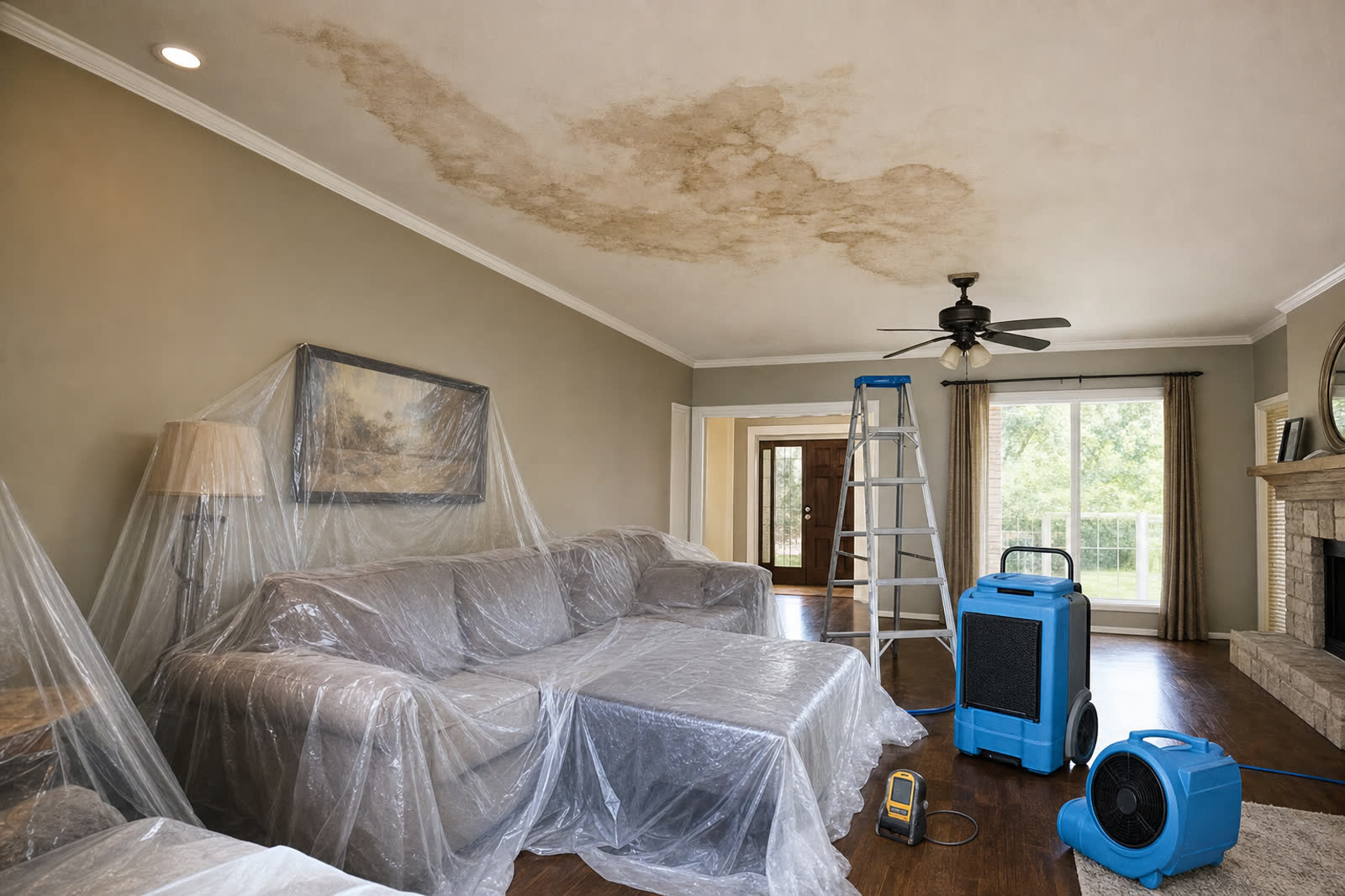
If furniture sits in water, place aluminum foil or plastic under legs to prevent staining and wood damage to floors underneath. Lift curtains and drapes off wet carpet by tying them up or draping them over rods. Remove cushions from sofas and chairs to let air circulate. Open drawers and cabinet doors to promote drying and prevent mold growth inside enclosed spaces.
Don't try to operate wet electronics or appliances. Unplug devices if you can do so without stepping in water. Moisture inside electronics causes short circuits and corrosion. Let professionals evaluate whether items can be saved. We've restored laptops and televisions that homeowners assumed were total losses, simply because they didn't turn them on while wet.
Take photos of everything before moving items. Your insurance company needs documentation of how water affected your home and belongings. Photograph water lines on walls, wet carpet, and damaged furniture from multiple angles. These images support your claim and help the adjuster understand the loss scope.
Honestly, there are times we can't save everything. Particle board furniture that soaks through often swells and falls apart. Mattresses and box springs contacted by sewage water almost always need disposal for health reasons. Porous materials like drywall, insulation, and carpet padding usually get removed during restoration. But most hard goods, furniture, and personal items can be cleaned, dried, and restored if handled properly and quickly.
Call a restoration company as soon as you discover water damage. The faster crews arrive, the more belongings they can save. Mold begins growing within 24 to 48 hours in Oklahoma's humid climate. Every hour counts. We respond to calls throughout Oklahoma City, Tulsa, Edmond, Norman, and surrounding communities, getting equipment and pack-out crews to your home quickly.
Need help now? See our full Water Damage Restoration service page or browse all restoration services. Don't see your city above? The full Oklahoma service area covers 27 cities.
Local context for this article: see our Tulsa, OK restoration page and the Water Damage Restoration in Tulsa service page.
This guide also pairs with emergency water mitigation and mold remediation when drying is missed.
How long does contents pack-out take for an average Tulsa home?
Pack-out for a typical three-bedroom Tulsa home takes one to two days depending on the amount of contents and how many rooms need clearing. A crew of three to four technicians can pack, inventory, and load most homes in six to eight hours. Larger homes or properties with extensive collections, antiques, or specialty items may take longer. Pack-back usually happens faster, often completing in one day once restoration finishes. The actual storage period varies based on how long restoration takes, ranging from two weeks for minor water damage to two months for extensive reconstruction projects.
Authoritative resources referenced
Need restoration help in Oklahoma?
24/7 dispatch, IICRC standards, direct insurance billing.