Why Do Moore Basements Experience Sewage Backups?
Moore basements see sewage backups primarily from municipal sewer line overload during heavy rain events and main line blockages. The city sits on heavy clay soil that doesn't absorb water quickly, which overwhelms older sewer systems during storms. When the municipal system backs up, sewage flows backward into the lowest drain in your home, which is usually the basement floor.
We've seen this pattern repeatedly after significant rain in Moore. The spring storm season brings rapid rainfall that can dump several inches in an hour. When that happens, the combined sewer system can't handle the volume. Homes built before 1980 are especially vulnerable because they often lack backwater valves that prevent reverse flow.
Tree root intrusion is another common cause. Mature trees in established Moore neighborhoods send roots into sewer laterals seeking moisture. Over time, these roots create blockages that cause sewage to back up into your home. The problem compounds during dry spells when roots grow more aggressively toward any water source.
Foundation settling can crack the sewer lateral where it exits your home. Moore's expansive clay soil shifts with moisture changes, which stresses underground pipes. A cracked lateral allows soil intrusion that gradually blocks flow until sewage has nowhere to go but back into your basement.
What Makes Sewage Different from Other Water Damage?
Sewage is classified as Category 3 water, the most contaminated type. It contains human waste, bacteria, viruses, parasites, and chemical contaminants that pose serious health risks through direct contact, ingestion, or inhalation of aerosolized particles.
Standard water damage restoration protocols don't apply to sewage. You can't simply extract the water and dry the space. Any porous material that absorbed sewage must be removed and disposed of properly. This includes drywall, insulation, carpeting, carpet pad, and often the bottom plate of wood-framed walls if saturation reached that level.
The pathogens in sewage survive on surfaces for extended periods. E. coli, salmonella, hepatitis A, and other organisms can remain viable for days or weeks depending on conditions. That's why antimicrobial treatment is necessary, not optional. We apply EPA-registered disinfectants specifically rated for sewage contamination after removing affected materials.
Sewage also leaves behind biofilm and residue that standard cleaning can't fully address. Professional cleaning involves multiple passes with different cleaning agents, starting with debris removal, then detergent washing, then antimicrobial application, followed by a final rinse and drying phase.
Insurance companies treat sewage differently too. Most homeowners policies exclude sewer backup unless you've purchased a separate endorsement. That rider typically costs $50 to $150 annually and covers cleanup costs that can easily reach $10,000 to $25,000 for a significant basement backup.
Immediate Steps After Discovering Basement Sewage
Stop using all water in your home immediately. Every toilet flush, shower, or sink drain adds more sewage to the backup. Turn off water at the main if the backup is actively flowing. Do not enter standing sewage without proper protective equipment.
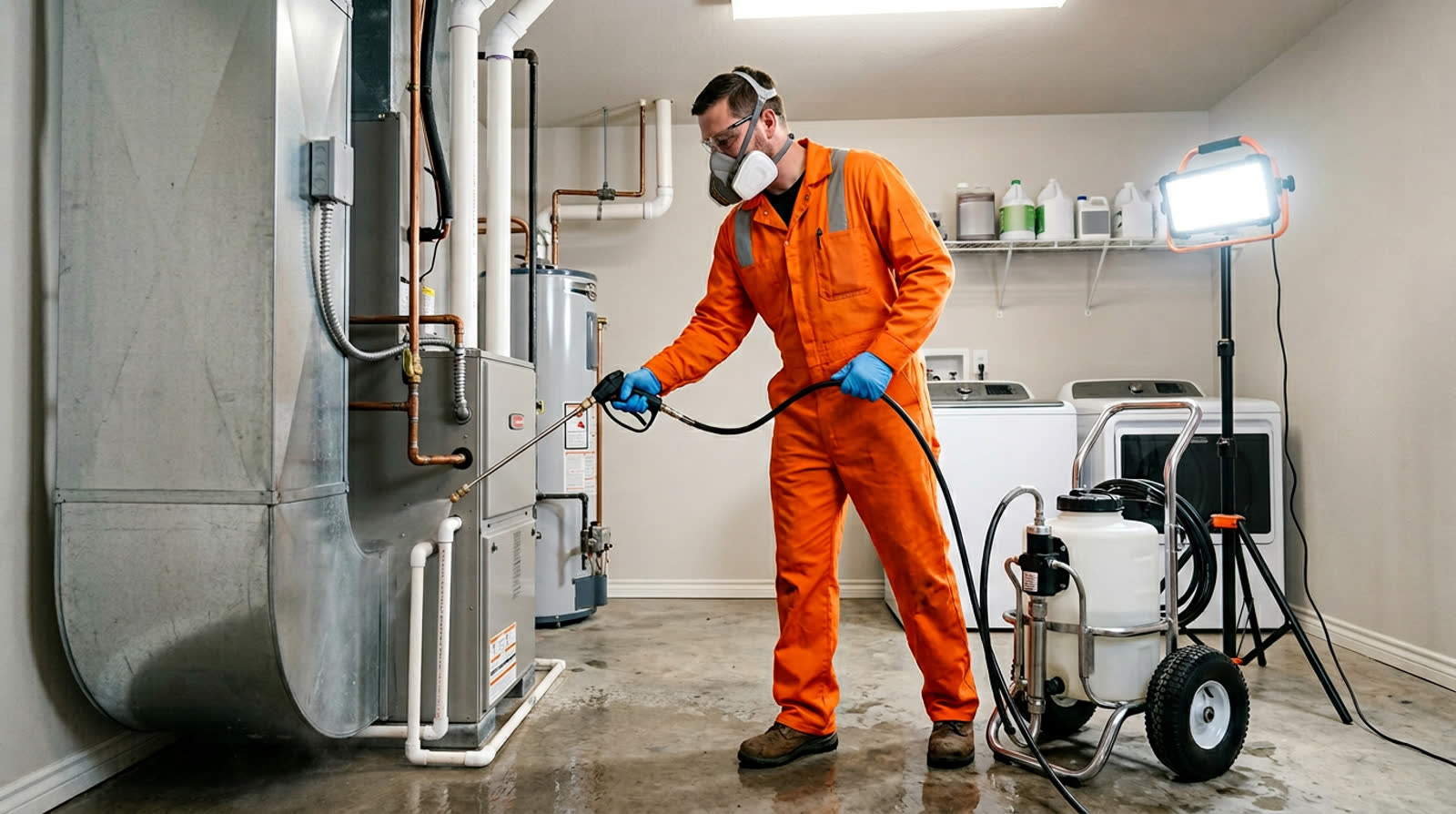
Call a professional sewage cleanup company before attempting any cleanup yourself. Sewage exposure carries genuine health risks that increase the longer you're in contact with contaminated materials. We respond to Moore sewage emergencies with technicians wearing Tyvek suits, rubber boots, nitrile gloves, and N95 respirators as minimum protection.
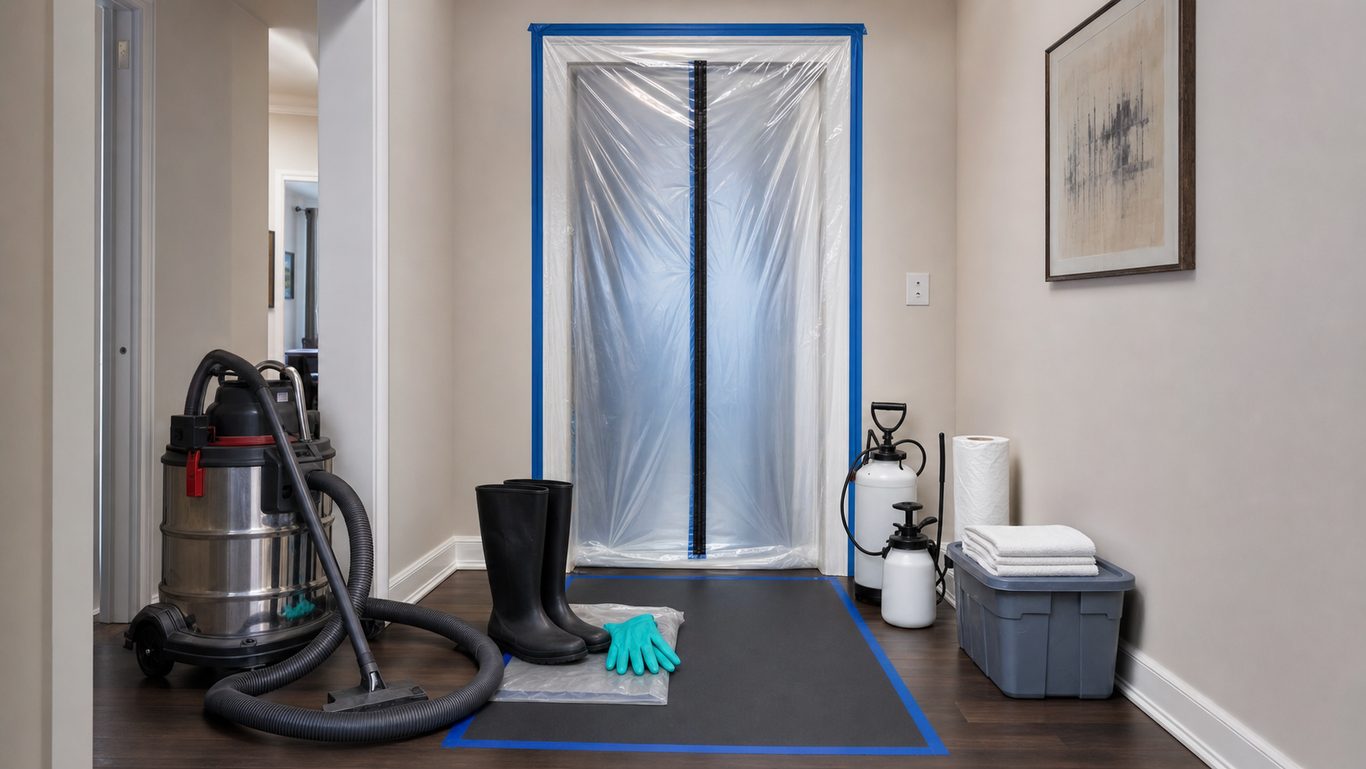
If you must enter the space before help arrives, wear rubber boots, waterproof gloves, and eye protection at minimum. Avoid splashing. Don't touch your face. Remove and bag all clothing immediately after exiting the area, and shower thoroughly with soap and hot water.
Document the damage with photos and video for insurance purposes, but do this quickly and from a safe distance. Your adjuster will need to see the extent of contamination and what materials were affected. Take wide shots showing the entire basement and close-ups of water lines on walls.
Ventilate the space if possible by opening windows and exterior doors, but don't run your HVAC system. Forced air can spread contaminated particles throughout your home's ductwork. If you have a basement bathroom exhaust fan that vents directly outside, you can run that to help with air exchange.
Keep children and pets away from the affected area completely. Sewage pathogens are particularly dangerous to young children, elderly individuals, and anyone with compromised immune systems. Seal off the basement if possible until professionals arrive.
Moore's clay-heavy soil creates specific problems during sewage backups that homeowners in sandier regions don't face. The expansive clay around foundations doesn't drain well, which means sewage that seeps into basement floors or through foundation cracks tends to pool rather than dissipate. This soil also shifts with moisture changes, and a sewage event that saturates the ground around your foundation can lead to additional cracking even after the immediate cleanup is finished. We've seen cases where the sewage backup itself was resolved, but the saturated clay caused new foundation movement within weeks.
The timing of your backup matters for cleanup costs and duration. A category three sewage loss affecting 500 square feet of finished basement typically runs between $3,500 and $8,000 depending on what materials need removal. Drywall that wicks sewage more than two feet up the wall cannot be saved. Carpet and padding are always discarded. If the backup happened during Moore's storm season between April and June, expect longer response times as restoration companies handle multiple weather-related calls. A straightforward basement sewage cleanup usually takes three to five days from initial extraction to antimicrobial treatment, but that timeline assumes the backup source has been identified and repaired.
Speaking of the source, Moore homes built before 1985 often have clay sewer laterals that crack or collapse as they age. Tree roots from the mature elms and oaks common in older neighborhoods seek out these cracks. A sewage backup caused by a collapsed lateral means you'll need both interior restoration and exterior sewer line replacement. That exterior work requires a separate plumbing contractor and adds $4,000 to $12,000 depending on the distance from your home to the city connection point. The City of Moore requires a permit for sewer lateral replacement, and the plumber will need to schedule an inspection before backfilling the trench.
Professional extraction equipment makes a measurable difference in drying time and secondary damage. We use truck-mounted extractors that pull 150 to 200 gallons per hour from carpeting and standing water. Portable units that homeowners rent typically manage 20 to 30 gallons per hour. That difference matters because every hour sewage sits in contact with porous materials increases the depth of contamination. Concrete basement floors may look solid, but they're porous enough that sewage can penetrate a quarter inch deep within six hours of contact.
After extraction, the space needs antimicrobial treatment rated for category three water. We apply EPA-registered disinfectants at label-specified dwell times, usually ten minutes of wet contact. The product needs to stay visibly wet on the surface for the full duration to be effective. Simply spraying and wiping does nothing. Affected surfaces then require a second cleaning with detergent to remove biofilm and organic matter before a final disinfectant pass. This process cannot be shortened without compromising safety.
How Professional Sewage Cleanup Works
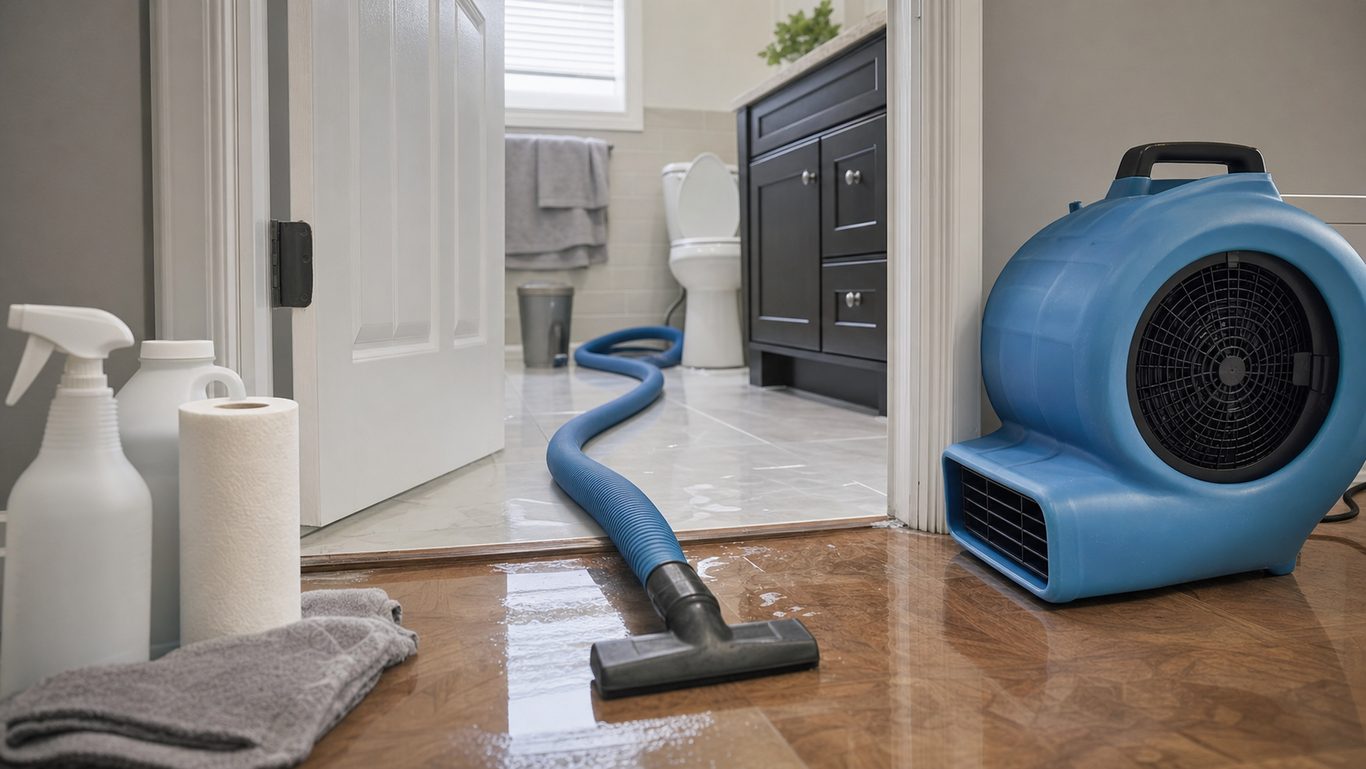
Extraction comes first. We use truck-mounted pumps for standing water and portable extractors for absorbed water in concrete. The goal is removing all visible sewage as quickly as possible to limit absorption into building materials and prevent migration to clean areas.
Next comes the assessment of what can be saved versus what must go. Concrete floors and walls can be cleaned and disinfected. Wood framing can sometimes be saved if exposure was brief and the wood can be fully dried and treated. But any porous material that absorbed sewage gets removed. That includes:
- Carpet and carpet padding
- Drywall up to at least 12 inches above the water line
- Fiberglass or cellulose insulation
- Particleboard or MDF materials
- Upholstered furniture that contacted sewage
- Stored cardboard boxes and contents
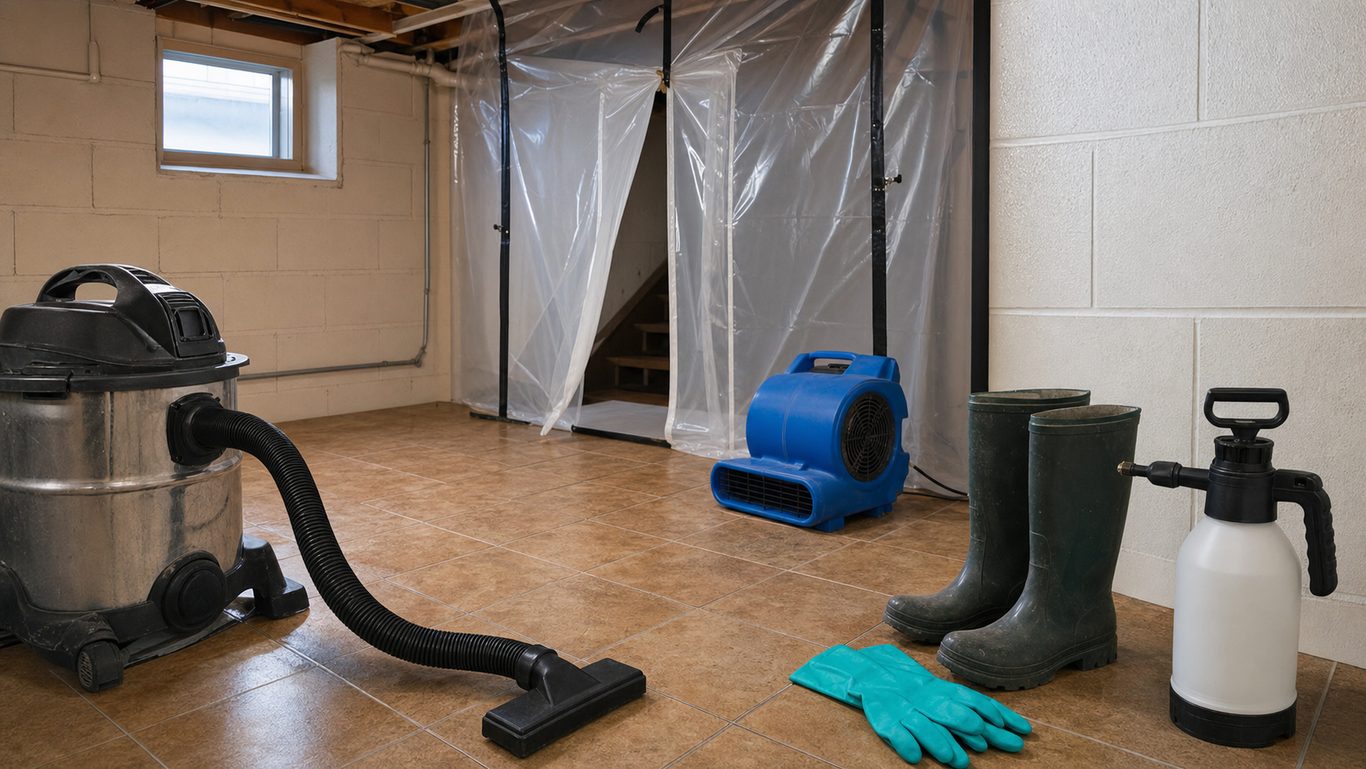
Removal requires containment procedures. We seal off the work area with plastic sheeting and run negative air machines with HEPA filters to prevent contaminated dust from spreading. All removed material goes into heavy contractor bags that are sealed, labeled, and disposed of according to local regulations.
After demolition, we clean all remaining hard surfaces with detergent, then apply antimicrobial solutions. We recently completed a sewage cleanup in Moore where a main line backup affected a finished basement with a bedroom and bathroom. After removing two feet of drywall around the perimeter, we treated the concrete foundation walls, floor, and exposed studs with quaternary ammonium disinfectant, let it dwell for ten minutes, then rinsed and repeated the application.
Drying is the final cleanup phase. We place commercial air movers and dehumidifiers to bring the structure back to normal moisture levels. Concrete takes longer to dry than most people expect. We monitor with moisture meters and don't consider the job complete until readings are within normal range for the material and local conditions.
What Basement Sewage Cleanup Costs in Moore
A minor sewage backup affecting 200 to 400 square feet with minimal material removal typically runs $3,500 to $7,000 based on industry averages. This assumes a few inches of water, concrete floors, and removal of carpet and drywall up to 12 inches. The cost covers extraction, disposal, antimicrobial treatment, and drying equipment for three to five days.
Moderate backups involving 400 to 800 square feet with finished basement elements cost $7,000 to $15,000. This includes removing and disposing of carpet, pad, drywall, insulation, and possibly damaged wood trim. More extensive drying time and additional antimicrobial applications add to the cost.
Severe backups affecting entire basements over 800 square feet with significant material loss can reach $15,000 to $30,000 or more. If sewage reached electrical outlets, the panel may need inspection. If it saturated wood framing, more extensive demolition becomes necessary. Complete basement renovations after sewage damage can exceed $50,000 when you include rebuilding costs.
These are rough estimates. Every sewage situation is different. The contamination level, how long the sewage sat before cleanup started, what materials were in the space, and whether the backup included solid waste versus clear water overflow all affect the final cost. We provide written estimates after assessing the actual damage on-site.
If you have sewer backup coverage on your homeowners policy, your insurance should cover most of these costs minus your deductible. Submit a claim immediately. Most policies require prompt notification, and some require using preferred vendors. We work with all major insurance companies and can bill directly in many cases.
Preventing Future Basement Sewage Problems
A backwater valve is your best defense against municipal sewer backups. This device installs in your main sewer line and automatically closes when flow reverses, preventing sewage from entering your home. Installation costs $1,500 to $3,000 in Moore depending on how accessible your sewer lateral is. Some cities offer rebates or grants for backwater valve installation.
Regular sewer line maintenance prevents blockages before they cause backups. Have your lateral inspected with a sewer camera every three to five years, especially if your home is over 30 years old or you have mature trees in the yard. Tree root removal costs $300 to $800, far less than cleaning up a sewage backup.
Consider replacing clay or cast iron sewer laterals with PVC if inspections reveal cracks or significant root intrusion. A full lateral replacement runs $3,000 to $8,000 depending on distance to the street and excavation difficulty. That's a significant expense, but one major sewage backup can cost nearly as much while also damaging your home and possessions.
Don't pour grease down drains and avoid flushing anything except toilet paper. We've responded to backups in communities across central Oklahoma where the blockage was caused by accumulated grease, wet wipes, feminine hygiene products, or even paper towels. These items don't break down and create clogs that force sewage backward.
Grade your yard to drain away from the foundation. While this doesn't prevent sewer line problems directly, it reduces the volume of storm water entering the municipal system during heavy rain. That helps prevent system-wide overload that causes widespread backups across neighborhoods.
Know where your main water shutoff is and how to operate it. If you catch a backup early and stop adding water to the system, you can often limit the damage significantly. We've seen backups that would have been minor become major simply because water continued flowing for hours before someone shut it off.
Need help now? See our full Sewage Cleanup service page or browse all restoration services. Don't see your city above? The full Oklahoma service area covers 27 cities.
Local context for this article: see our Moore, OK restoration page and the Sewage Cleanup in Moore service page.
This guide also pairs with water damage restoration after the contamination is cleared and mold remediation that often follows sewage events.
Can I clean up basement sewage myself to save money?
You can technically perform your own sewage cleanup, but we don't recommend it for health and safety reasons. Sewage contains pathogens that require proper protective equipment, EPA-registered disinfectants, and specific cleaning protocols to neutralize safely. Most homeowners lack the extraction equipment to remove water from concrete and the moisture meters to verify complete drying. Insurance companies may also question whether self-cleanup was adequate, which can complicate claims. If cost is a concern, focus on having professionals handle the contaminated material removal and antimicrobial treatment, then potentially handle the rebuilding yourself after the space is clean and dry.
Authoritative resources referenced
Need restoration help in Oklahoma?
24/7 dispatch, IICRC standards, direct insurance billing.