Why Do Oklahoma City Attics Develop Mold Problems?
Attic mold in Oklahoma City stems from three main factors: humidity, inadequate ventilation, and temperature extremes. Our summers hit 95+ degrees with high humidity, creating ideal conditions for mold growth. When hot, moist air meets cooler attic surfaces, condensation forms on wood framing, sheathing, and insulation.
Poor attic ventilation traps this moisture instead of allowing it to escape. Most older homes in Oklahoma City lack proper ridge vents, soffit vents, or gable vents. The air stays stagnant and damp. We've seen homes where the attic temperature exceeds 140 degrees in July while the air feels like a sauna.
Roof leaks compound the problem. Oklahoma's severe weather brings hail, high winds, and torrential rain. A compromised roof allows water to seep into the attic space. Even small leaks near flashing or around penetrations introduce enough moisture to feed mold colonies.
Bathroom and kitchen exhaust fans venting directly into the attic instead of outside are another common culprit. This pumps humid air straight into an enclosed space. Ductwork problems from heating and cooling systems also contribute moisture through condensation or disconnected joints.
Insufficient insulation allows warm indoor air to rise and contact cold roof decking during winter. This creates condensation on the underside of the roof sheathing. Ice dams during Oklahoma's occasional ice storms can force water under shingles and into the attic structure.
What Are the Warning Signs of Attic Mold Growth?
Visible mold appears as black, green, white, or brown patches on wood surfaces, insulation, or stored items. The growth often starts in corners, along the roof line, or near vents. You might notice dark staining on roof sheathing or fuzzy growth on rafters.
A musty, earthy smell is often the first indicator. This odor can permeate down into living spaces through ceiling penetrations, light fixtures, or attic access points. If your home smells musty but you can't locate the source, check the attic.
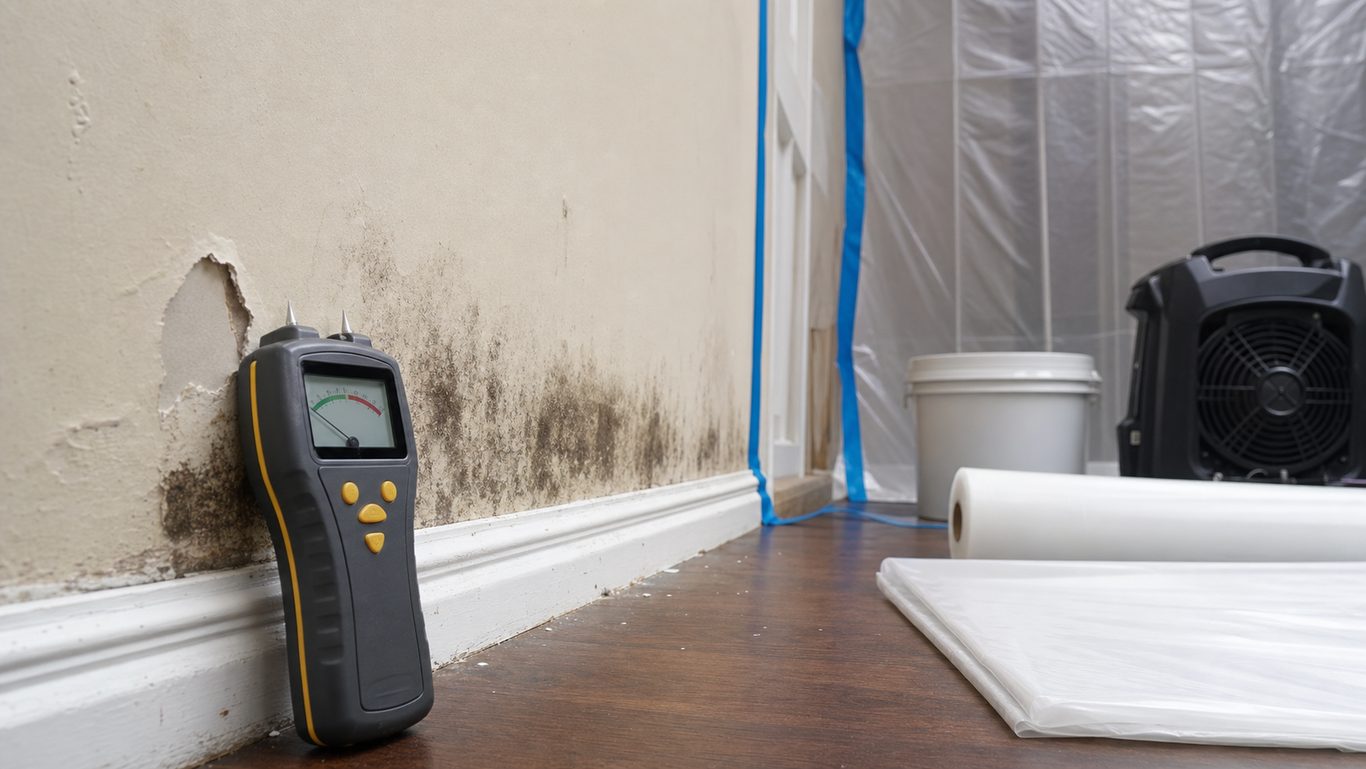
Water stains on attic wood indicate active or past moisture problems. Yellow, brown, or gray discoloration on sheathing, rafters, or joists signals water intrusion. Peeling paint on exterior soffits or fascia can also point to trapped attic moisture.
Increased allergy symptoms without explanation suggest airborne mold spores circulating through your home. Respiratory irritation, coughing, sneezing, or headaches that improve when you leave the house are red flags. Children and elderly family members typically show symptoms first.
Frost or ice on the underside of the roof during winter months indicates excessive moisture in the attic. This moisture will promote mold growth once temperatures rise. Condensation on attic surfaces, even without frost, signals a ventilation or moisture problem.
High energy bills can result from wet insulation losing its R-value. Moisture-damaged insulation compresses and becomes ineffective. Your HVAC system works harder to maintain comfortable temperatures. Sagging or compressed insulation is a visual cue of water damage.
How Does Professional Attic Mold Remediation Work?
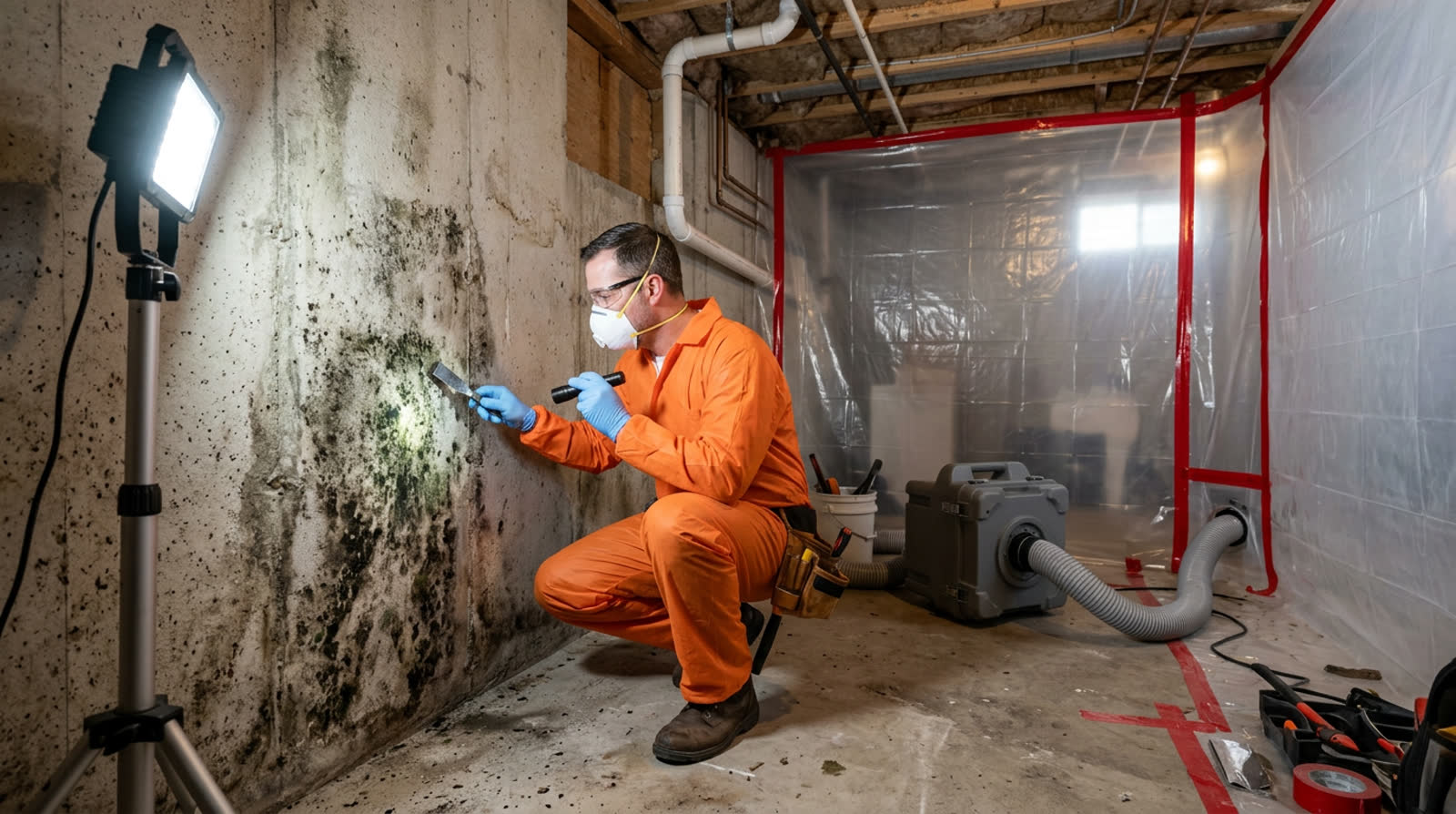
Professional mold remediation starts with a thorough inspection to identify mold extent and moisture sources. We examine all attic surfaces, check for roof leaks, inspect ventilation systems, and measure humidity levels. Thermal imaging cameras help locate hidden moisture in insulation and framing.
Under Oklahoma law (15 O.S. §765.4), mold inspection and remediation must be separate engagements if the combined cost exceeds $200. This protects homeowners from conflicts of interest. An independent inspector assesses the situation, then remediation companies like Statewide Restoration perform the actual work based on those findings.
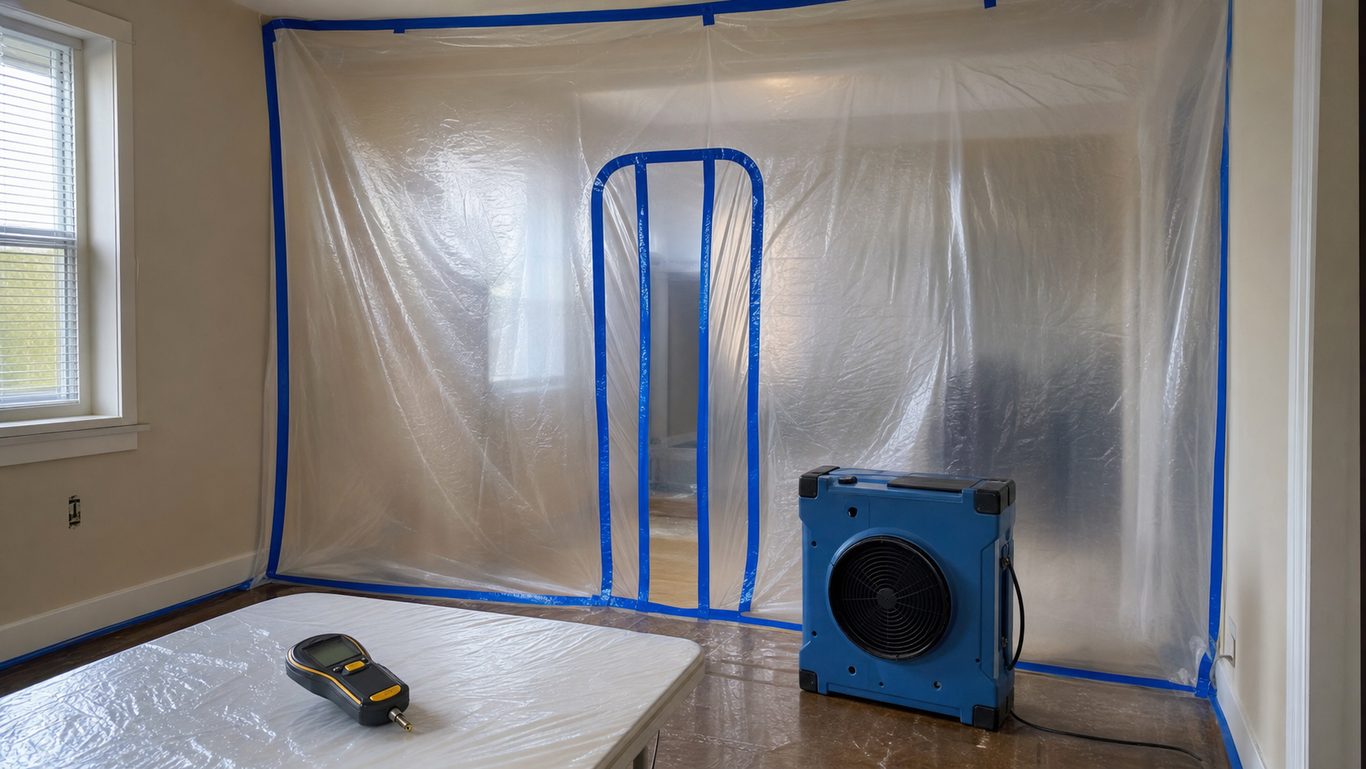
Containment prevents mold spores from spreading to living areas during removal. We seal off the attic access with plastic sheeting and create negative air pressure using HEPA-filtered air scrubbers. This ensures contaminated air doesn't flow into your home. We also protect any stored belongings that aren't contaminated.
Contaminated materials get removed carefully. Heavily affected insulation goes into sealed bags for disposal. Moldy drywall, if present, gets cut out and removed. We can't always save all materials. Some porous items like cardboard boxes or fabric items absorb mold too deeply for effective cleaning.
Wood framing and sheathing receive different treatment than porous materials. We use HEPA vacuums to remove surface mold, then apply antimicrobial solutions to kill remaining spores. Wire brushing or sanding may be necessary for deep mold penetration, followed by encapsulant coatings on affected wood.
The attic receives a final HEPA vacuuming to capture any disturbed spores. Air scrubbers run continuously throughout the process. We verify moisture levels have returned to normal ranges (typically below 16% for wood). Post-remediation verification by an independent party confirms successful mold removal.
Ventilation and Moisture Control Solutions
Proper attic ventilation requires balanced intake and exhaust. Soffit vents provide intake air at the eaves, while ridge vents, gable vents, or roof vents allow hot air to escape at the peak. The general standard calls for one square foot of ventilation per 150 square feet of attic space.
We often recommend adding ridge vents during attic remediation projects. These continuous vents along the roof peak provide excellent exhaust ventilation. They work with soffit vents to create natural airflow from bottom to top. This passive system requires no electricity and functions year-round.
Powered attic ventilators can supplement passive ventilation in extremely hot Oklahoma summers. These fans exhaust hot air mechanically. However, they must be sized correctly and used with adequate intake vents. Insufficient intake causes the fan to pull conditioned air from your living space.
Sealing air leaks between living spaces and the attic is critical. Gaps around plumbing stacks, electrical wires, ceiling fixtures, and the attic access hatch allow humid indoor air to enter. We use caulk, spray foam, or weather-stripping to close these penetrations.
Redirecting bathroom and kitchen exhaust fans saves many attics. If these fans vent into your attic, we reroute them through the roof or gable wall. The same applies to dryer vents. All moisture-producing appliances should exhaust directly outside.
Vapor barriers on the warm side of insulation prevent moisture migration. In Oklahoma's climate, this means the barrier faces down toward living spaces. Improperly installed barriers on the cold side trap moisture and create mold problems. We check barrier placement during remediation projects.
Dehumidifiers are rarely practical for attics due to Oklahoma's heat, but whole-house systems help control indoor humidity. Keeping your home's relative humidity below 50% reduces moisture migration into the attic. Portable dehumidifiers work better for conditioned attic spaces.
What Does Attic Mold Remediation Cost in Oklahoma City?
Attic mold remediation costs in Oklahoma City typically range from $1,500 to $7,000 based on industry estimates. The affected area size drives much of the cost. A small section of moldy sheathing in one corner costs far less than entire attic coverage requiring complete insulation removal.
The extent of material removal affects pricing significantly. Light surface mold on wood framing requires cleaning and treatment. Heavily contaminated insulation, drywall, or sheathing requires removal and disposal. Labor, equipment, and disposal fees for extensive material removal increase total costs.
Access difficulty impacts labor time and cost. Easy walk-in attics with adequate headroom allow faster work. Low-pitch roofs, small access hatches, or attics filled with stored items slow the process. Homes in Edmond or Norman with larger attics may have different cost factors than compact urban homes.
Necessary repairs beyond mold removal add to the total. Roof leak repairs, new ventilation installation, air sealing, or insulation replacement are separate line items. These improvements prevent future mold growth but increase upfront investment. We provide detailed estimates separating remediation from prevention measures.
Insurance coverage varies by policy and cause. Most homeowner policies exclude mold damage from long-term neglect or maintenance issues. However, sudden water events like storm damage or plumbing failures often receive coverage. Review your policy and file claims promptly for covered events.
We recently worked on a 1,200-square-foot attic in Oklahoma City where a roof leak had gone unnoticed for months. The entire north-facing roof sheathing showed heavy mold growth. After removing compromised insulation and treating all wood surfaces, the project required new ventilation and insulation installation. The complete restoration took several days.
Oklahoma City's intense summer heat creates unique attic conditions that affect both mold growth patterns and remediation timelines. Attic temperatures here regularly exceed 140 degrees Fahrenheit from June through August, which can actually slow active mold growth during peak summer but bakes existing colonies into wood surfaces. This heat makes summer remediation work physically demanding and affects scheduling. Most crews begin attic work before 10 a.m. or resume after 5 p.m. during July and August to protect worker safety. Projects that might take two days in spring can stretch to three or four days in summer due to mandatory cooling breaks and shorter effective work windows.
The remediation process typically follows a predictable timeline once work begins. Containment setup and attic preparation take four to six hours. Crews seal off the attic access point with plastic sheeting and establish negative air pressure using HEPA-filtered air scrubbers. These machines run continuously throughout the project, usually 24 to 72 hours depending on attic volume. The actual removal and cleaning phase ranges from one to three days for most residential attics. A straightforward 1,200 square foot attic with localized mold on roof decking might be completed in a single long day. An attic requiring full insulation removal across 2,000 square feet with mold on multiple surfaces often needs two to three full days.
Oklahoma City building codes do not specifically require permits for mold remediation alone, but related repairs often do. If your remediation requires roof decking replacement, a roofing permit becomes necessary. Electrical work to add ventilation fans requires an electrical permit. Some restoration companies handle permit acquisition as part of their service. Others expect homeowners to manage that process. Clarify permit responsibility during your initial estimate meeting to avoid delays once work begins.
The disposal component adds both time and cost that many homeowners overlook initially. Mold-contaminated insulation cannot go in regular trash. Bagged material goes to approved landfills, and disposal fees run roughly $75 to $150 per ton depending on the facility. A typical attic insulation removal generates one to three tons of material. Some companies include disposal in their quoted price. Others list it as a separate line item. Ask specifically how disposal is handled in your written estimate.
Post-remediation verification adds another cost layer that protects your investment. Independent testing after remediation completion typically costs $300 to $500 for clearance sampling. A third-party inspector collects air samples and surface samples to confirm spore counts have returned to normal levels. This documentation proves the work was completed properly and provides baseline data if issues arise later. Some insurance companies require this clearance testing before considering a claim fully resolved.
Preventing Future Attic Mold in Oklahoma Homes
Regular attic inspections catch problems early. Check your attic twice yearly, ideally in spring and fall. Look for water stains, condensation, musty odors, or visible mold. Inspect after major storms or heavy rain. Early detection prevents minor moisture issues from becoming major mold problems.
Roof maintenance protects against water intrusion. Replace damaged or missing shingles promptly. Check flashing around chimneys, skylights, and roof penetrations. Clean gutters regularly so water doesn't back up under shingles. Oklahoma's severe weather demands proactive roof care.
Monitor indoor humidity levels with an inexpensive hygrometer. Keep relative humidity between 30% and 50%. Use bathroom exhaust fans during showers and run them for 20 minutes afterward. Vent your clothes dryer outside. Address any plumbing leaks immediately.
Insulation installed properly helps prevent condensation. Ensure adequate R-value for Oklahoma's climate (R-38 to R-49 for attics). Don't compress insulation or block soffit vents. Leave air channels between insulation and roof sheathing for ventilation. Damaged or wet insulation should be replaced, not dried in place.
Trees touching or overhanging your roof create multiple problems. Branches damage shingles during storms. Leaves clog gutters and trap moisture. Shade prevents proper roof drying after rain. Trim branches back at least six feet from the roof line. This simple step extends roof life and reduces moisture problems.
Professional energy audits identify air leaks and insulation problems. Many Oklahoma utility companies offer subsidized audits. These assessments use thermal imaging and blower door tests to locate hidden issues. Addressing discovered problems improves comfort, reduces energy costs, and prevents moisture migration into attics.
Document your attic condition with photos during inspections. This creates a baseline for comparison. You'll spot gradual changes that might otherwise go unnoticed. Photos also help when discussing problems with contractors or insurance adjusters.
Need help now? See our full Mold Remediation service page or browse all restoration services. Don't see your city above? The full Oklahoma service area covers 27 cities.
Local context for this article: see our Oklahoma City, OK restoration page and the Mold Remediation in Oklahoma City service page.
This guide also pairs with water damage restoration that prevents mold from forming and water mitigation inside the 72-hour window.
Can I remove attic mold myself or do I need professional help?
Small mold patches under 10 square feet on non-porous surfaces might be DIY-cleanable if you have proper safety equipment. However, attic mold typically affects larger areas, involves porous materials like insulation and wood, and requires containment to prevent spreading spores throughout your home. Attic access is difficult and working in extreme heat or tight spaces poses safety risks. Professional remediation includes proper containment, HEPA filtration, antimicrobial treatment, moisture source correction, and verification testing. For most attic mold situations in Oklahoma City homes, professional help ensures complete, safe removal and addresses underlying causes. We've seen DIY attempts spread contamination to living spaces or miss hidden growth, leading to recurring problems and higher eventual costs.
Authoritative resources referenced
Need restoration help in Oklahoma?
24/7 dispatch, IICRC standards, direct insurance billing.